Micronutrient Checklist for Dieting: Prevent Hidden Deficits
Dieting makes calories easy to track and micronutrients easy to miss. This practical checklist shows the most common hidden deficits during weight loss, how to spot them in a calorie tracker, and how to fix gaps with nutrient-dense low-calorie foods without blowing your calorie budget.
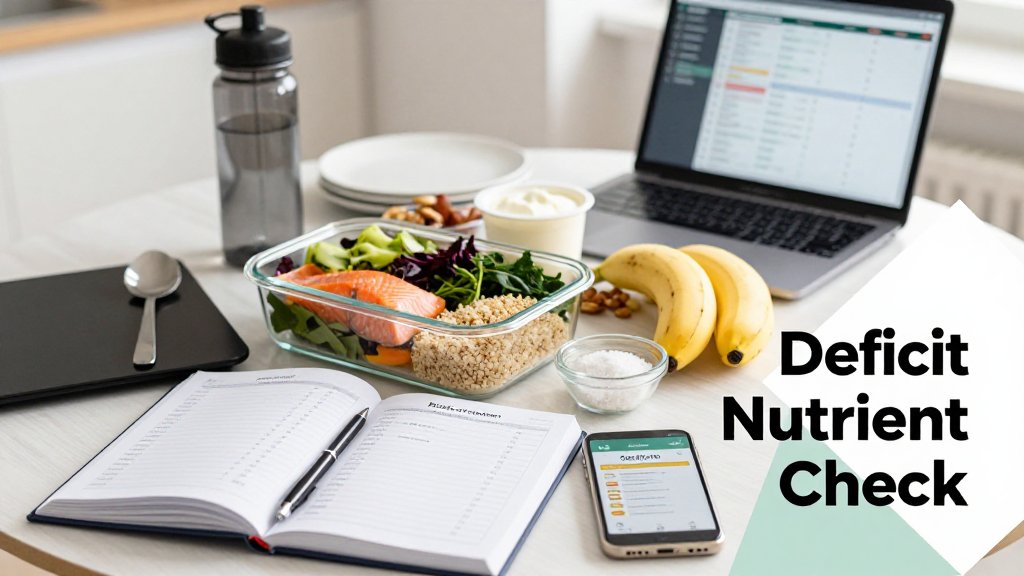
Dieting can look perfect on paper. You hit your calorie target, keep protein high, and still feel tired, hungry, or strangely unmotivated. Often the issue is not willpower, it is a quiet micronutrient gap that builds as food choices narrow. This article gives you a practical micronutrient checklist for dieting, plus a simple tracking routine to spot common deficiencies early. You will learn which vitamins and minerals are most likely to slip, how to cover them with real foods, and how to stay in a deficit without feeling run down.
Why micronutrient deficits happen on a calorie deficit

Weight loss is mostly a calorie equation, but your energy, mood, sleep, cravings, and workout quality are often a micronutrient equation. You can be in a perfect deficit and still feel “off” if the foods you kept are low in vitamins and minerals. That is why micronutrient deficits show up so often during dieting: you usually eat less total food (less volume), you repeat the same safe “diet foods” to stay on track, or you cut entire food groups to make the numbers easier. None of those are “bad,” but they all shrink the variety that normally covers small nutrient needs. The goal is not perfection, it is making your calories work harder for you.
Picture a busy professional dieting on 1,800 calories: they hit 140 g protein, keep fats around 55 g, and fill the rest with carbs. Breakfast is a protein shake, lunch is chicken and rice, snack is a protein bar, dinner is a turkey bowl with lettuce and salsa. Macros look great, weekly weight is trending down, but by 3 p.m. they feel tired, workouts feel flat, and they get more headaches and muscle tightness than usual. That can happen when the plan is low in potassium, magnesium, calcium, iron, iodine, or key B vitamins, especially if food volume and variety dropped fast. If symptoms are persistent or severe, check in with a clinician, because fatigue can have many causes.
Most micronutrient gaps are not caused by one dramatic mistake. They come from small choices that feel “disciplined” in the moment, then add up over weeks. Here are some of the most common dieting mistakes that quietly create micronutrient holes.
If your deficit feels harder than the math, assume a micronutrient gap first. Add one fruit, one veggie, and one mineral-rich carb daily. Recheck energy, sleep, and workouts before slashing calories further.
The hidden tradeoff: fewer calories means fewer nutrients
“A 25% calorie cut can quietly cut micronutrients by a similar margin unless you deliberately raise nutrient density.” That proportional drop is a known risk with calorie restriction, as highlighted in a caloric restriction micronutrient review. The math is simple: if you used to eat 2,400 calories and now you eat 1,800, you have 600 fewer calories worth of chances to get iron, zinc, folate, potassium, and vitamin C. Nutrient density means getting more vitamins and minerals per calorie, not just eating “healthy foods.” It is the difference between spending 300 calories on something that mainly delivers sugar and fat, versus spending 300 calories on foods that also deliver fiber, calcium, potassium, and omega-3 fats.
Try two quick calorie-for-calorie swaps. First: 300 calories of pastries can disappear in minutes and give you very little micronutrient coverage. 300 calories of plain Greek yogurt plus berries plus 1 tablespoon chia is a different experience, you get protein, calcium, riboflavin, fiber, and a meaningful hit of potassium and magnesium. Second: 200 calories of chips is easy to overeat and usually low in potassium. 200 calories of potatoes plus a big handful of spinach (cooked into the potatoes or served on the side) buys you more volume and a much better mineral and folate profile. If home-cooked meals are your biggest variable, use recipe logging for home cooking so your “usual dinners” are easy to repeat without defaulting to the same packaged diet foods.
Common dieting patterns that create gaps fast
Skipping breakfast every day is not automatically bad, but it often reduces fruit, whole grains, and dairy opportunities. That is where potassium, calcium, iodine (if dairy is in the mix), and several B vitamins commonly sneak in. Relying on protein bars and shakes can make your protein target easy, but many people end up with low fiber and low variety, which can show up as constipation, stronger cravings, and “snack hunting” later. The classic chicken-and-rice loop is another pattern: it is lean, measurable, and macro-friendly, but it can be light on magnesium, vitamin E, vitamin K, and the mix of carotenoids you get from colorful produce unless you intentionally add them.
Cutting entire food groups is the fastest way to create a checklist problem. Cutting dairy without a replacement often means calcium and vitamin D intake fall, especially if you also reduced fatty fish and fortified foods. Going low-carb without swapping in fiber-rich plants (beans, lentils, berries, leafy greens, cruciferous vegetables) can reduce folate, vitamin C, and potassium, even if calories and protein are “on plan.” Avoiding fats aggressively can backfire too, because vitamins A, D, E, and K are fat-soluble, and many of their best food sources are naturally paired with fat (salmon, eggs, olive oil, nuts, seeds, avocado). You do not need high fat, you need enough.
One more sneaky issue: mineral and fluid shifts can feel like you are failing the diet when you are simply under-mineralized. If you are eating fewer carbs than usual, you may carry less water, and changes in sodium intake can amplify fatigue, lightheadedness, or weaker pumps in the gym. Add sweat from workouts and you can drift low on sodium, potassium, and magnesium. That can look like low energy, headaches, twitchy muscles, or restless sleep, even while your calorie deficit is correct. A practical fix is to keep whole foods that naturally carry these minerals in rotation (potatoes, beans, leafy greens, yogurt or fortified alternatives), and use salt appropriately for your activity level unless your clinician advised otherwise.
Micronutrient checklist: the most commonly missed nutrients
If you are eating in a calorie deficit, your “nutrition budget” shrinks along with your calorie budget. That is why micronutrients can quietly slide down even when your macros look perfect. The US Dietary Guidelines calls out a short list of under-consumed nutrients that matter at the population level, which they label nutrients of public health concern. In plain English, that phrase means lots of people do not get enough from food, so the gap is common and worth watching, especially during dieting. Your goal is not to “biohack” every vitamin, it is to cover the big rocks consistently.
The short list that prevents most diet-related deficits
If you cover vitamin D, iron, calcium, magnesium, potassium, and omega-3s, you prevent a big chunk of the most common dieting deficits. Track weekly averages, then confirm with labs if needed, because symptoms overlap across nutrients.
Those “big rocks” show up during calorie cuts for a boring reason: they mostly come from foods people reduce first. Cutting back on dairy can drop calcium. Cutting red meat can drop iron and zinc. Cutting carbs can lower potassium and fiber if you also cut fruits, beans, and potatoes. Cutting fats too aggressively can shrink omega-3 intake if you stop eating fatty fish. Also, dieting often narrows variety, so you stop getting small amounts from lots of places. A tracker is a great first filter, but symptoms (fatigue, low energy, poor training) overlap with sleep, stress, and overall low calories, so labs and a clinician are the gold standard for diagnosis.
Vitamin D and omega-3s are the two that “healthy eaters” still miss all the time. If you work indoors or live somewhere with long winters, vitamin D intake from food may be a bigger deal than you think. Low-calorie moves: 1 cup fortified skim milk is about 80-90 calories, 6 oz nonfat yogurt is often 90-130 calories, and 3 oz salmon is roughly 175-200 calories (higher, but it also checks the omega-3 box). If salmon is not a weekly habit, canned sardines or trout can work too. Tracker tip: do not judge one day, look at your 7-day average and aim for “most days” consistency.
For iron, calcium, magnesium, and potassium, the at-risk groups are pretty predictable. Women with heavy periods and endurance athletes tend to need a closer look at iron. Low-dairy eaters and people who skip yogurt and milk alternatives often under-shoot calcium. Magnesium drops when nuts, seeds, beans, and whole grains get reduced to save calories. Potassium drops when produce portions shrink, and it matters even more if you sweat a lot. Low-calorie examples that fit a cut: 1 cup cooked spinach is about 40 calories, 1 medium potato is about 160 calories, 1 cup low-fat milk is about 100 calories, and 1/2 cup beans is often 100-130 calories. Those add up fast across a week.
Quick reference table: risk factors and low-calorie fixes
Use the table as a fast “audit,” then verify with your tracker. The most useful habit is checking weekly averages, not chasing a perfect day, because dieting is naturally uneven. If a nutrient looks consistently low, pick one repeatable, low-calorie food and attach it to a routine you already have (breakfast yogurt, a potato with dinner, canned fish on salad twice a week). This also helps you avoid the supplement trap where you add pills but keep the same gaps in food quality. If you are pregnant, have thyroid concerns, anemia history, or any medical condition, ask your clinician what to track and whether labs make sense.
| Nutrient | Risk tip | Foods |
|---|---|---|
| Vitamin D | Indoor, check avg | Salmon, fort milk |
| Iron | Heavy periods, avg | Spinach, lentils |
| Calcium | Low-dairy, avg | Yogurt, milk |
| Magnesium | Low-whole, avg | Beans, spinach |
| Potassium | Low-produce, avg | Potato, bananas |
| Omega-3 | Low-fish, avg | Salmon, sardines |
Do not forget the “second tier” that still matters for feeling and performing your best: folate, B12, zinc, iodine, and fiber. Folate is easier if you keep leafy greens and beans in rotation (spinach salad at lunch, lentil soup once a week). B12 is a common watch item for plant-based eaters, so track fortified foods or discuss supplements with a clinician if you avoid animal foods. Zinc often drops when meat and shellfish drop, but you can still get some from beans and dairy. Iodine is easy to miss if you never use iodized salt and you avoid seafood and dairy. Fiber is your diet quality marker, and it usually improves automatically when your plate includes fruits, vegetables, beans, and potatoes regularly.
A simple CalMeal-style workflow is: log normally for 7 days, check your averages for the nutrients above, then choose one “default fix” per gap that costs you 50-200 calories per day. Example swaps: add 6 oz nonfat Greek yogurt (often 100 calories) for calcium and protein, add 1 tbsp ground flax (about 35-40 calories) for omega-3 support, or add a medium potato (about 160 calories) for potassium and fiber. If your deficit has been aggressive and you are ready to transition out, pair the micronutrient checklist with reverse diet after cutting tips so your intake climbs without losing the habits that kept your diet nutrient-dense.
How to track micronutrients without obsessing daily
Micronutrient tracking should feel like a quick weekly check-in, not a daily grade on your diet. If you are dieting on (say) 1,700 to 2,000 calories per day, you have less room for “random” foods, so a few nutrients can quietly slide low even when protein and calories look perfect. The goal is to use your calorie tracker as a dashboard: log meals like a normal human, then look for patterns your brain cannot easily see, like consistently low calcium or potassium. Pick a single day each week (many people like Sunday) to review your micronutrient report, decide on 1 or 2 small food swaps, then move on with your life. If you have medical conditions or take medications that affect nutrient needs, it is smart to loop in your doctor or a registered dietitian.
Use a weekly average, not a perfect day
“Micronutrients are a weekly problem, not a single-meal problem.” One low-veggie day does not define your diet, and one salad does not erase five low-fiber days either. The easiest process is boring on purpose: you log normally for seven days, then use the app’s nutrition report to spot the lowest nutrients by weekly average (not the highest or lowest single day). This matters because micronutrients swing a lot with routine changes like eating out, skipping breakfast, or having leftovers. Your job is not to chase 100 percent every day, it is to reduce the repeatable gaps that show up week after week.
Once you have your “bottom 3,” treat them like simple build-ons. Low potassium is extremely common when calories drop, and the fixes can be cheap and satisfying: add a medium baked potato (about 160 calories) or a cup of beans to one meal. As a reference point, the NIH lists an Adequate Intake for adults of 3,400 mg/day (men 19 to 50) and 2,600 mg/day (women 19 to 50), and shows a medium baked potato at about 610 mg and a cup of canned kidney beans at about 607 mg. Use the NIH potassium intake table as a reality check, not a perfection target. Low calcium gets easier if you add Greek yogurt at breakfast, or fortified soy milk in coffee or oatmeal. Low magnesium is often solved with pumpkin seeds, beans, or spinach mixed into foods you already eat. If you have kidney disease or take potassium-sparing meds, ask your clinician before intentionally pushing potassium higher. (ods.od.nih.gov)
Aim for repeatable coverage, not a flawless day. If your weekly report improves a little each week, you are winning. Consistency beats perfection because the foods you can repeat are the ones that actually fix gaps long term.
The 80-20 routine: build two nutrient-dense default meals
The fastest way to improve micronutrients without obsessing is to stop reinventing every meal. Build two “default meals” you can log in 10 seconds, then eat them most days (the 80), while leaving room for flexibility (the 20). Defaults work because they are predictable in calories and protein, and they quietly cover a lot of micronutrient bases that macro-focused meals can miss. Think of them as your nutritional seatbelt: you can still choose what you want for the rest of the day, but you are less likely to end the week with red bars all over your nutrient chart. If your tracker lets you save meals or recipes, use that feature aggressively.
Default meal 1 (about 400 to 500 calories): a high-protein Greek yogurt bowl. Example: 200 g nonfat plain Greek yogurt, 1 cup berries, 1 tablespoon chia seeds, and a side of fruit like a banana or orange. This one meal can push protein toward 30 to 40 g depending on the yogurt, add fiber and vitamin C via fruit, and contribute meaningful calcium. It also gives you a clean place to “patch” gaps: if magnesium tends to be low, sprinkle 1 tablespoon pumpkin seeds on top; if potassium runs low, choose banana or add a kiwi. The biggest win is that it feels like breakfast or dessert, not “diet food,” so it is easier to repeat.
Default meal 2 (about 550 to 700 calories): a salmon or tofu salad bowl with leafy greens, beans, and citrus dressing. Example: 4 oz cooked salmon (or 6 oz extra-firm tofu), 2 to 3 cups spinach or spring mix, 1/2 cup chickpeas or black beans, chopped bell pepper, and a dressing made from olive oil plus lemon or orange juice. This bowl reliably raises your weekly “greens” count (folate, vitamin K, magnesium), your legumes intake (fiber, potassium, iron), and adds a solid protein anchor. It is also a good place to think about fortified foods, which matter during dieting because a lower-calorie food budget can make vitamin D, calcium, B12, and iodine harder to hit. Practical examples include fortified milk or soy milk, some yogurts, and using iodized salt at home (tiny amounts go a long way). If you are considering supplements for any of these, check with a clinician, especially if you have thyroid issues or take medications.
Here is a realistic example day and how it might look inside a tracker at about 1,850 calories. Breakfast: the Greek yogurt bowl (around 450 calories). Lunch: the salmon salad bowl (around 650 calories). Snack: an apple plus 1 oz pumpkin seeds (around 250 calories). Dinner: turkey chili made with beans and a few handfuls of spinach stirred in (around 500 calories). In many micronutrient reports, that day “fixes” several common holes: potassium rises because of beans, greens, and fruit; magnesium improves from seeds, beans, and spinach; fiber climbs into a range many dieters struggle to hit. What it may still miss is totally normal: vitamin D can still show low if you do not use fortified dairy or get fatty fish regularly, calcium may be short if yogurt is your only dairy, and iodine may be unknown if your tracker cannot tell whether your salt was iodized. That is why the weekly view matters. You are not judging one day, you are adjusting next week’s defaults.
Meal planning for micronutrient coverage on low calories
You do not need more calories, you need smarter anchors in your day. When calories drop (say 1,400 to 1,800 per day for many dieters), your “micronutrient budget” shrinks fast if your meals lean on low-nutrient convenience foods. The fix is simple: plan around a few high-impact foods that quietly cover common gaps, then build the rest of the meal around them. Think of anchors as default choices you can repeat without getting bored: a calcium source, a high-potassium produce pick, and one iron or omega-3 choice daily. Once those are in place, your macros and calories are much easier to hit without hidden deficits sneaking in.
Busy-day meal planning works best when you match anchors to your diet style. Omnivores can lean on dairy, seafood, and lean meats for calcium, vitamin B12, iron, zinc, and omega-3s. Vegetarians often do well with beans, lentils, tofu, pumpkin seeds, and fortified foods, but should pay extra attention to vitamin B12, iron, iodine, and sometimes vitamin D. Dairy-free eaters can still cover calcium and vitamin D by choosing fortified soy milk or fortified yogurt alternatives and pairing them with leafy greens. For potassium, most people benefit from a simple habit, a fruit or potato-based side daily, especially since adult targets are around 2,600 mg (women) and 3,400 mg (men). If you have kidney disease or take potassium-affecting meds, ask your clinician what is appropriate.
The anchor method: pick 3 daily micronutrient anchors
Anchor 1 is calcium, because dieting often trims portions of dairy and fortified foods. Many adults aim for roughly 1,000 to 1,200 mg per day depending on age and life stage, and it is tough to “catch up” at night if you skipped calcium all day. Anchor 2 is potassium-rich produce, which usually means a fruit, a potato, or a big serving of vegetables. Anchor 3 is either iron (especially important for menstruating women and many vegetarians) or omega-3s (helpful when your fat intake is lower). The point is not perfection, it is consistency. If you hit these anchors 6 days a week, your diet gets more resilient.
Make anchors effortless with a 15-minute “micronutrient prep” once or twice a week. Roast a sheet-pan of vegetables (broccoli, carrots, zucchini) and keep frozen spinach as your emergency green, it disappears into eggs, soups, and pasta sauce. Stock canned fish (salmon, sardines, light tuna) for zero-cook protein and omega-3 coverage, plus canned beans or lentils for iron and folate. Keep a fruit bowl and one bag of pre-cut fruit for the days your schedule collapses. If you want the simplest rule, build each meal around a protein, then add one produce and one fortified or mineral-rich item. Your calories stay steady, but your nutrient density climbs.
How do I track micronutrients in a calorie tracker without getting overwhelmed?
Use tracking like a weekly dashboard, not a minute-by-minute test. Log normally for calories and protein, then choose 3 micronutrients to watch for 7 days (for many dieters: calcium, iron, and potassium). Most overwhelm comes from trying to “win” every vitamin daily, plus logging vague entries like “homemade salad” with no amounts. Pick repeatable anchor foods and save them as meals (for example: “Greek yogurt + banana” or “fortified soy milk smoothie”). Action step: set one weekly reminder to review your averages, then adjust one anchor food for next week.
Should I take a multivitamin while dieting for weight loss?
A basic multivitamin can be a reasonable safety net for some people on low calories, but it is not a substitute for food, fiber, and protein. Typical mistake patterns include relying on gummies (often low in minerals), skipping key nutrients like calcium and potassium that multivitamins rarely cover well, and using supplements to justify a very limited food routine. If you are vegetarian or vegan, vitamin B12 is a common “non-negotiable” to discuss with a clinician. Action step: try 2 weeks of anchors first, then ask your doctor or pharmacist whether a targeted supplement makes sense for you.
What are the best nutrient-dense low-calorie foods for micronutrient coverage?
Think “big nutrients per 100 calories.” Top picks include frozen spinach (folate, magnesium), broccoli and red bell peppers (vitamin C), mushrooms exposed to UV light (often higher vitamin D), nonfat Greek yogurt or fortified soy milk (calcium), beans and lentils (iron, folate), and potatoes (potassium). Canned salmon or sardines add omega-3s with minimal prep, and a small portion goes far. The common mistake is choosing only “diet foods” like rice cakes and lettuce, which are low calorie but not very nutrient-dense. Action step: add one of these foods to your cart today and attach it to a daily anchor.
Ready to stop guessing and start closing your nutrition gaps? Track your meals today with CalMeal, a free app that makes calorie counting easier with AI-powered food recognition. Log what you eat, review your patterns, and spot missing nutrients before they derail your energy and progress. Download now on iOS or Android, then start your next week of dieting with more confidence.
Start Tracking Your Nutrition Today
Download CalMeal for free and take the guesswork out of calorie counting with AI-powered food recognition.