Protein on a Budget: Price Per Gram Method
Want cheap high-protein foods without blowing your calorie deficit? This guide shows a simple price-per-gram protein method to compare foods fast, build a budget grocery list for weight loss, and turn low-cost staples into macro-friendly meals.
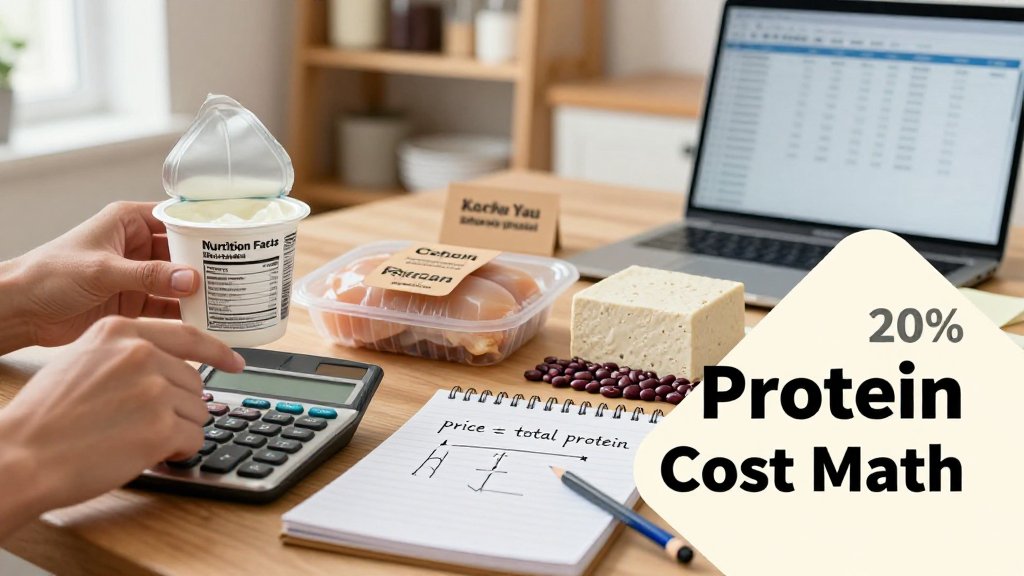
Protein only seems expensive when you price it by the package instead of by what you are actually buying, grams of protein that help you stay full and support fat loss. This guide shows you the price-per-gram method so you can compare foods fast and stop overpaying for clever labels. You will learn the simple math, the common grocery-store traps that inflate your bill, and a repeatable shopping list built around budget-friendly staples. You will also see easy, macro-friendly meal ideas you can assemble in minutes.
How to calculate price per gram of protein
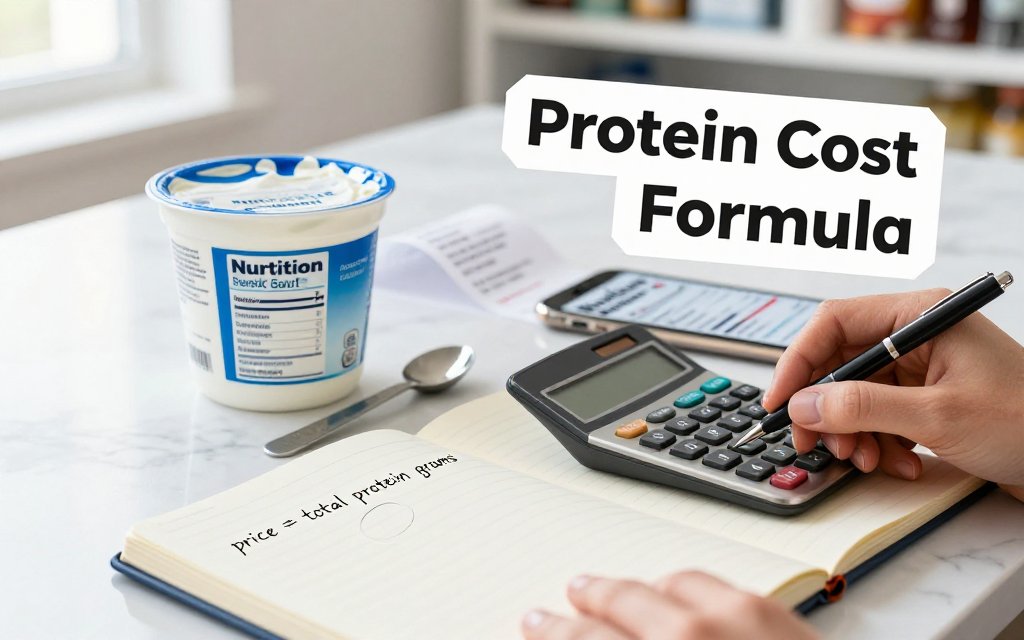
The easiest way to make budget-friendly, high-protein choices is to stop thinking in containers and start thinking in grams. You are not buying “a tub of yogurt” or “a pack of chicken.” You are buying 60 g, 90 g, or 150 g of protein that will help you hit your daily target while staying within your calorie budget. This mental shift also makes meal logging simpler because your comparisons become consistent across brands and package sizes. If you are also trying to keep an eye on ingredients while you log, pair this approach with an ultra-processed foods logging checklist so cost and quality both stay on your radar.
The 30-second formula you will use every trip
Price per gram of protein = item price ÷ total grams of protein in the package. That is the whole method, and it works for yogurt, chicken, tofu, beans, and protein powder. To find total grams of protein, use: protein per serving × number of servings in the package. This is why the very top of the Nutrition Facts label matters, especially “servings per container,” which the FDA explicitly calls out as the number you should check before interpreting the nutrition numbers. You can see that emphasis in the FDA’s serving size label guidance. Once you do this a few times, you will be able to ballpark the result while you shop.
Here is a realistic grocery example using easy numbers: a $4.99 tub of plain nonfat Greek yogurt shows 17 g protein per serving and 5 servings per container. Total protein in the tub is 17 × 5 = 85 g protein. Price per gram is $4.99 ÷ 85 = $0.059 per gram (about 5.9 cents per gram). The shortcut I like for quick comparisons is to multiply by 100 so you can think “cost per 100 g protein.” In this case, $0.059 × 100 = $5.90 per 100 g protein. Now you can compare it to a different yogurt, cottage cheese, deli turkey, or even a bag of frozen chicken without getting fooled by different package sizes.
For meats, the biggest confusion is raw versus cooked weight. Cooking changes the weight because water and fat can cook off, which makes the cooked food look “more protein-dense” per 100 g, even though the total protein in the piece of meat did not magically increase. For price-per-gram math, do not mix systems. If the nutrition info you are using is based on raw weight, weigh raw for your logging and comparison. If you usually log cooked portions (common for meal prep leftovers), use cooked nutrition entries consistently. A practical approach is to price shop using the raw label or store tag (because you buy raw), then log in the same style you portion at home. Consistency matters more than perfection.
Protein powders are actually simple with this method, as long as you ignore the marketing and use the label. Example: a tub costs $39.99, has 25 g protein per scoop, and about 27 servings. Total protein is 25 × 27 = 675 g protein. Price per gram is $39.99 ÷ 675 = $0.059 per gram, very similar to the yogurt example. Two practical notes: first, “servings” are often rounded, so your real total might be a little higher or lower. Second, some powders list a scoop size like 33 g powder, but only 25 g is protein, so do not divide by total powder weight if you are specifically comparing protein value. Divide by total protein grams.
Canned foods have their own trap: drained versus undrained weight. A can of tuna might be labeled by net weight, but the protein you eat is the fish after you drain water or oil. Same idea with beans, chickpeas, and chicken breast in a can. If the label lists protein “per drained serving,” you are fine, just multiply by servings. If you drain and the label seems to be based on the full can with liquid, your price per gram will look worse than it really is because you are dividing by protein that is not there. A quick rule: decide how you eat it (drained, rinsed, with broth), then match your math to that edible portion. This is also why multi-serve packages like big tubs, family packs, and bulk bags are worth a 10-second calculation.
Common mistakes that make protein look pricier than it is
Most “protein is expensive” moments come from comparison mistakes, not from the food itself. The classic one is comparing cooked chicken you logged at home to raw chicken macros on the store label. Another is forgetting the serving count and only comparing “protein per serving,” which rewards tiny serving sizes. Prepared deli items are another budget trap because you are paying for seasoning, sauces, and labor, not just protein. One counterintuitive tip: the family pack is not always the best deal if it increases waste. If you buy 5 pounds of meat but realistically cook and eat only 3 pounds before it goes bad, your true cost per gram should be calculated using the protein you actually consume, not the protein you throw away.
If two foods cost the same, the better deal is the one with more total protein in the package. Multiply protein per serving by servings you will actually eat, then divide price by that number.
Protein cost comparison table for budget staples
Here is a practical baseline you can use at the store: compare proteins by (1) price per gram of protein, (2) calories per gram of protein (how "lean" that protein tends to be), and (3) best use, so you actually eat it. Price per gram helps your wallet, calories per gram helps your deficit and macro targets, and best use helps you stay consistent on busy days. Lower calories per gram of protein usually means you are getting more protein with fewer extra fats or carbs, which can make calorie tracking simpler if weight loss is your goal. These comparisons are meant to be a quick compass, not a perfect nutrition label replica.
The table below uses common package sizes and typical nutrition label values (your exact brand will vary), and the calorie and protein estimates align with standard entries you can verify in USDA FoodData Central data. The prices are realistic examples for store-brand or value packs, but you should treat them like placeholders until you plug in your own receipt numbers. Once you do, this turns into a weekly planning tool: you can quickly decide which proteins buy you the most grams for the fewest dollars, then log those “repeatable” foods and keep your calorie targets predictable.
| Food | $/g protein | Cal/use |
|---|---|---|
| Dry lentils | $0.02 | 13 cal prep |
| Chicken breast | $0.03 | 5 cal prep |
| Eggs | $0.04 | 12 cal breakfast |
| Greek yogurt | $0.05 | 6 cal snack |
| Cottage cheese | $0.05 | 7 cal snack |
| Canned tuna | $0.06 | 5 cal lunch |
Use this table as your budget grocery compass
The best high-protein on a budget foods usually win on three things: low price per gram, low prep friction, and minimal waste. Pick a few anchor proteins each week and build meals around them, not the other way around.
To read the table fast, look at it in two passes. Pass one is purely budget: circle the two or three lowest $/g protein options you will realistically eat this week. Pass two is calories and convenience: pick the option that keeps calories easiest to manage on your schedule. A simple approach is choosing two to three “anchor proteins” weekly: one animal-based (frozen chicken breast or eggs), one plant-based (dry lentils), and one convenience option (Greek yogurt or canned tuna) for the days your plan gets squeezed. Anchors keep the rest of your grocery list smaller and make your logs more repeatable.
Example week: meal prep a big batch of lentils (taco-style seasoning or a simple curry) plus sheet-pan chicken. Those two cover most lunches and dinners with predictable calories per portion. Then keep one convenience protein for “no-cook” moments, like a tub of store-brand nonfat Greek yogurt or a few cans of tuna. If breakfast tends to be your weak point, eggs are usually the cheapest way to add protein early, but they also bring more calories per gram of protein than tuna or chicken, so you can pair them with lighter sides like fruit or veggies. Small, repeatable combos beat complicated recipes.
How to personalize prices in 5 minutes
Personalizing this is quick: open your receipt (or your store app order history), grab eight to ten protein staples you buy anyway, and do the same math from Section 1 for each package. Multiply grams of protein per serving by servings per container to get total grams of protein, then divide price by total grams to get $/g protein. Sort from lowest to highest. You will usually see the same winners pop up: store-brand Greek yogurt, cottage cheese, family packs of frozen chicken, dry beans or lentils, and canned tuna or salmon. Also check for seasonal promos and digital coupons, because a temporary sale can reshuffle your winners for that week.
One real-life rule matters more than any spreadsheet: if you hate eating it, it is not cheap, it is wasted money. The goal is to find two or three budget proteins you genuinely look forward to, then build simple “default meals” around them. If you notice you keep overeating higher-calorie protein options (like eggs with lots of cheese, or chicken cooked in extra oil), you can also pair your budget plan with hunger scale meal logging to keep portions aligned with your goals. For health concerns or major diet changes, check in with a doctor or registered dietitian.
Build a budget grocery list for weight loss
Your grocery list gets way easier once you shop for outcomes instead of random foods. The outcome here is a consistent calorie deficit with high protein, so you stay full and keep your meals predictable. Bring the price-per-gram method from Sections 1 and 2 into the store by building a short, repeatable list, then rotating flavors so you do not get bored. If you use CalMeal, this is the week to scan and save your top 10 “budget wins” so they show up fast when you log. For nutrition labels you are unsure about, cross-check calories and protein in USDA FoodData Central before you commit to a new staple.
Your weekly template: anchors, sides, and sauces
Think in modules, not recipes. Each week you choose a couple of “anchor” proteins you can cook in bulk, plus backups for nights you are tired. Then you add high-volume sides that make plates look huge for relatively few calories, and you finish with sauces and spices that make the same chicken taste totally different. This structure is beginner-friendly because you can mix and match without math every time: protein stays the anchor, veggies add volume, carbs are portioned, sauces keep it enjoyable. The goal is repeatable meals that hit protein targets, support a calorie deficit, and do not require fancy cooking skills.
Here is how the template looks in real life. Your anchor proteins should be lean and versatile: chicken breast, 93% lean ground turkey, extra-lean ground beef, pork tenderloin, tofu, tempeh, or a big tub of nonfat Greek yogurt. Backups are fast: eggs, canned tuna, canned salmon, cottage cheese, frozen shrimp, or deli turkey if it still wins on your price-per-gram target. Sides are what make weight loss feel easier: frozen broccoli, frozen stir-fry blends, bagged salad kits (use half the dressing), potatoes, rice, oats, apples, oranges, and berries when they are on sale.
Busy-professional tip: always buy at least one no-cook protein so you can “save the day” without takeout. Cottage cheese, Greek yogurt, canned fish, or deli turkey can become a full meal in five minutes. Example: a bowl with 1 cup cottage cheese, sliced cucumber, cherry tomatoes, and everything-bagel seasoning is high protein and surprisingly filling. Another quick win is canned tuna mixed with mustard and pickle relish, then served over a big salad. Convenience buys can still be budget-friendly if you portion them immediately: pull the meat off a rotisserie chicken, weigh it into 4 oz containers, and you have grab-and-go protein for wraps, rice bowls, and soups.
If your list has two proteins you will actually eat, four sides that add volume, and two sauces you love, you can build satisfying meals all week. Structure beats willpower, especially when time and money are tight.
Where budget and calories usually clash, and how to fix it
Most “my calories got away from me” moments are not from chicken or potatoes. They come from calorie-dense extras that feel small: cooking oil, nuts, cheese, creamy dressings, and some protein bars or trail mixes marketed as “healthy.” A single tablespoon of oil is around 120 calories, and it is easy to pour two without noticing. Nuts are nutritious, but one handful can be 150 to 200 calories. Cheese adds up fast too. Fix it by making these items measured add-ons, not automatic ingredients: use a teaspoon, buy an oil spray, weigh nuts into 0.5 oz bags, and choose strong flavors (parmesan, feta, sharp cheddar) so a smaller amount still tastes satisfying.
Swaps that protect both your budget and your calorie deficit are usually simple. Use nonfat Greek yogurt as a base for “creamy” sauces (ranch-style dip with garlic powder and dill, or a taco sauce with salsa and lime). Choose leaner ground turkey or chicken when the protein-to-calorie ratio matters, especially for bowls and meal prep where you might eat a big portion. Craving chips? Make air-fryer potatoes or oven wedges: you get the comfort-food vibe with more volume for the calories. Want something crunchy on salad? Try cucumbers, shredded cabbage, or roasted chickpeas in a measured portion. If you have health concerns or a medical diet, check with your doctor before making big changes.
Quick upgrade example: ramen. A typical instant ramen pack can be low protein and easy to overeat, especially if it is your only meal. Turn it into a high-protein, lower-calorie bowl by adding protein and volume, then slightly reducing noodles. Try this: cook the ramen, but use only half the seasoning packet. Add 2 eggs (poached or soft-boiled), 1/2 cup frozen edamame, a big handful of frozen mixed vegetables, and 3 oz shredded chicken (leftover or rotisserie). If you want to keep calories tighter, use half the noodle brick and double the vegetables. Log it once in CalMeal, then save it as a custom meal so your “budget ramen upgrade” is one tap next time.
Turn cheap proteins into macro-friendly meals
Your budget proteins only “work” if they reliably turn into meals that hit your protein target without blowing your calories. A simple starting point for many adults is the baseline protein recommendation of 0.8 g per kg of body weight per day, as summarized in the NCBI RDA reference table. For fat loss, a lot of people find it easier to stay in a calorie deficit when each meal has a clear protein anchor (often 25 to 40 g), plus a big volume of veggies, plus a measured carb portion. You do not need fancy recipes for this. You need repeatable building blocks you can assemble in 6 minutes on a worknight, log quickly, and eat without second-guessing.
Mini playbook for batch cooking (1 hour total, 4 to 5 days of meals): pick two cheap proteins, one carb, and two veggie types. Example: bake a family pack of chicken thighs (skinless if you want easier calories), simmer a pot of lentils, roast a sheet pan of frozen broccoli plus carrots, and cook a pot of rice or potatoes. While it cooks, portion sauces separately so calories stay predictable (salsa, mustard, hot sauce, soy sauce, light mayo). If you are tracking, pre-log a “base meal” in your app, then swap protein amounts. Higher-protein calorie-restricted approaches can also support satiety for some people, as shown in an 8-week low-energy diet study comparing higher vs normal protein intakes.
Portioning is where calorie deficits get easier. After cooking, create “protein packs” in consistent sizes so you stop eyeballing. For example, pack 120 g cooked chicken breast per container (about 35 g protein, roughly 190 to 220 calories depending on cooking method), or 170 g nonfat Greek yogurt cups (often about 17 to 20 g protein for 90 to 120 calories, check your label). For plant options, portion cooked lentils in 1 cup containers (around 18 g protein, about 220 to 240 calories). Then build meals by combining 1 protein pack, 1 to 2 cups veggies, and 1 measured carb serving. This “mix and match” method keeps your protein consistent while letting flavors change daily.
Meal formulas that make budgeting easy
Use these plug-and-play formulas as templates, not perfect recipes. Formula A (40 g protein bowl, about 450 to 600 calories): 150 g cooked chicken breast (about 45 g protein) or 250 g firm tofu (about 30 g protein, add 150 g edamame to reach 40 g), plus 2 cups mixed veggies, plus 150 g potatoes or 1 cup cooked rice. Formula B (30 g protein breakfast, about 300 to 420 calories): 200 g nonfat Greek yogurt (often 20 to 25 g protein) plus 1 scoop of whey mixed in (20 to 25 g protein, adjust to hit 30 g total) or add 2 eggs instead, plus berries and 15 g cereal for crunch. Formula C (25 g protein snack, about 200 to 320 calories): 1 cup low-fat cottage cheese plus strawberries, or 1 can tuna mixed with mustard and pickles. Formula D (35 g protein lunch wrap, about 400 to 550 calories): 1 can tuna, 2 tbsp Greek yogurt, a high-fiber wrap, and a big handful of lettuce, tomato, and onion.
Coach tip: Make your fridge look like a convenience store. If you can grab a protein pack, a veggie bag, and a carb portion in under 60 seconds, you will eat what you planned.
Is price per gram of protein the best way to compare foods?
It is the best first filter, but not the final decision. Price per gram tells you how cheaply a food can help you hit your protein target, which matters if you are trying to keep costs down. Then sanity-check two more things: calories per gram of protein (chicken and nonfat yogurt tend to “buy” protein with fewer calories than many sausages or nuts) and real-life usability (waste, prep time, and whether you actually like eating it). The winner is the protein you can afford, consistently cook, and reliably log without guesswork.
Should I calculate protein cost using cooked or raw weights?
Use raw weights for price comparisons and grocery budgeting, because you pay for raw weight at the store. Use cooked weights for meal prep portioning, because that is what you actually eat and log. The tricky part is that cooking changes weight (mostly water loss in meat, water gain in rice and pasta), so protein-per-100 g can look different cooked vs raw. Pick one method and stay consistent: compare raw-to-raw for “cost per gram,” then create a simple conversion note for your go-to foods (example: 1 lb raw chicken becomes about 12 to 13 oz cooked).
Is protein powder actually cheaper than food for protein?
Sometimes, yes, especially if you buy a larger tub on sale and you tolerate it well. A typical whey scoop provides about 20 to 25 g protein for roughly 100 to 130 calories, which can be a cost-effective way to “top off” a low-protein meal. That said, powder does not replace the benefits of whole foods like canned fish, eggs, yogurt, beans, or chicken, which also bring fullness, micronutrients, and real meal volume. The best budget use is strategic: keep powder for busy mornings or post-gym, and let staples handle most meals.
Ready to make your budget and your macros work together? Start tracking your nutrition today with CalMeal, a free app that takes the guesswork out of calorie counting using AI-powered food recognition. Download it now and log your meals in seconds, then use what you learn to shop smarter and hit your protein target consistently. Get CalMeal on iOS or Android.
Start Tracking Your Nutrition Today
Download CalMeal for free and take the guesswork out of calorie counting with AI-powered food recognition.