Vegetarian Protein Meal Prep: Hit 100g Under 1800
A practical vegetarian meal prep plan that consistently lands around 100g protein while keeping calories near 1800, with portion sizes, macro targets, and logging tips for busy weekdays.
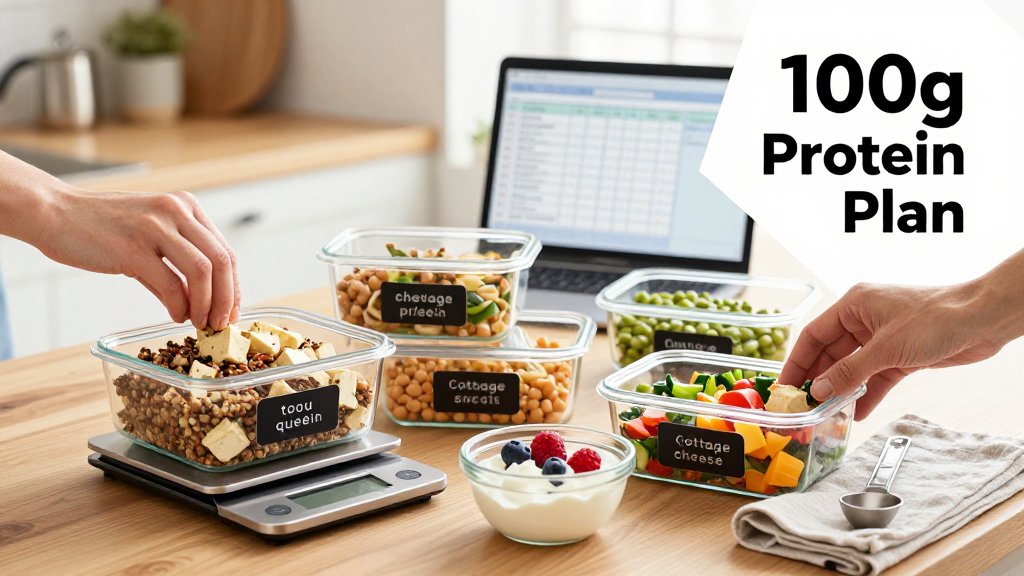
Hitting 100g of protein on a vegetarian diet is absolutely possible, but it rarely happens by accident. When you wing it meal by meal, protein gets pushed to dinner, calories quietly climb, and tracking turns into a daily guessing game. In this guide, you will learn a simple meal prep system that makes high-protein eating predictable. We will cover what to batch cook, how to build balanced containers, and how to portion your week so you can stay around 1800 calories without living on repetitive salads.
Your 1800 calorie, 100g protein game plan
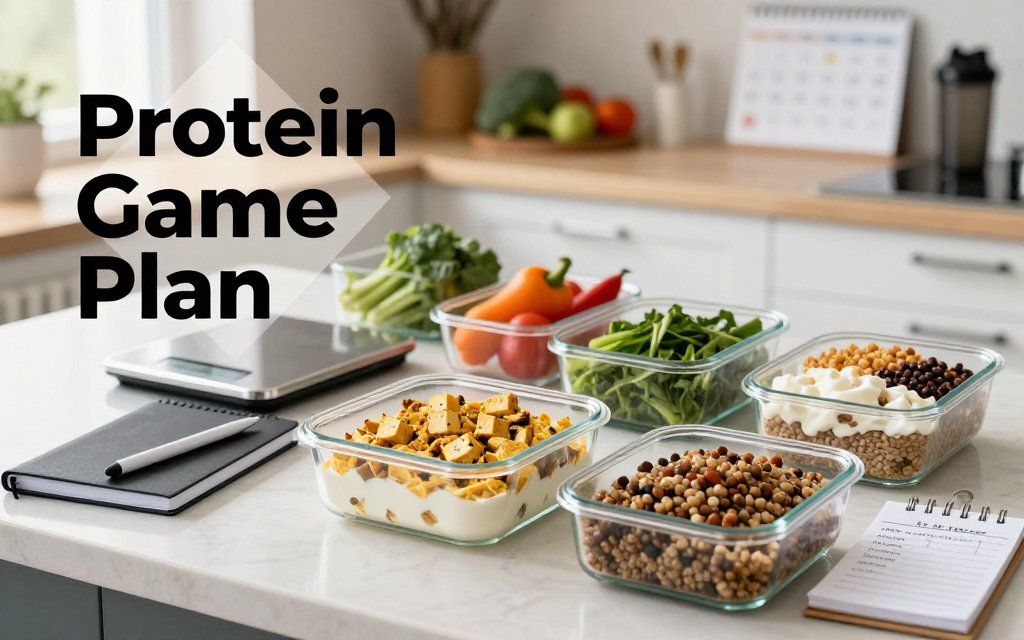
Aim for 1700-1800 calories and 90-110 g protein per day, then let the food details be flexible. That target range is tight enough to drive progress, but wide enough to live on, especially if you meal prep. The big mindset shift is this: you are not trying to build a perfect day, you are building a day that reliably hits protein, stays calorie-aware, and still tastes good. If you can consistently land inside those ranges 5-6 days per week, you stop relying on willpower at 9 pm and start relying on a plan that already did the hard work for you.
The math is friendlier than it sounds. Protein has 4 calories per gram, so 100 g protein is about 400 calories (see the USDA calories per gram basics). Inside an 1800 calorie budget, that leaves roughly 1400 calories for everything else: carbs, fats, fiber-rich plants, and the stuff that makes meals enjoyable. Even if you push protein higher to 110 g, you are still only using about 440 calories for protein. This is why the goal is realistic for vegetarian meal prep, as long as you stop expecting tiny “healthy” portions of beans to do all the heavy lifting.
To make this feel automatic, split the day into two buckets: protein anchors and flexible calories. Protein anchors are your 3 meals plus 1 snack that you can repeat, rotate, and batch cook. Flexible calories are the rest, they cover fruits, grains, extra veggies, condiments, and a planned treat if you want one. A practical split is 1200-1400 calories for your anchors, then 400-600 calories flexible, depending on your appetite and training day. If hunger spikes at certain times of the month, build your flexibility on purpose with luteal phase hunger tips instead of “winging it” and blowing past 1800.
Protein anchors first, everything else second
Anchor thinking fixes the most common vegetarian macro problem: building meals around carbs (oats, rice, pasta, tortillas) and hoping beans magically cover protein. Beans help, but most people underestimate how much you need to hit 30-40 g in a meal. Instead, set per-meal protein targets and pick the protein first. A simple template is 25-35 g at breakfast, 30-40 g at lunch, 30-40 g at dinner, and 10-20 g for a snack. From there, add high-volume veggies and a measured carb portion to round out calories and satiety. Your future self will thank you at dinner time, because you are not trying to “catch up” on 60 g protein at night.
Here is what “anchors plus flexibility” can look like in real life, without fancy recipes. Breakfast: tofu scramble (200 g tofu) with peppers and spinach, plus a side of skyr or Greek yogurt, roughly 400-450 calories and 35-45 g protein depending on brands. Lunch: seitan and quinoa bowl, for example 120 g seitan with 3/4 cup cooked quinoa, big salad greens, and salsa, around 500-600 calories and 40-50 g protein. Snack: 1 cup shelled edamame or a ready-to-drink protein shake, about 150-250 calories and 15-25 g protein. Dinner: tempeh veggie stir-fry with 150 g tempeh and a measured sauce over cauliflower rice, about 500 calories and 30-35 g protein. That lands near 1700-1800 calories and 110 g protein with room for fruit.
If you can name the protein in each meal before you cook it, you are halfway done. Hit 25-40 g per meal, then spend leftover calories on vegetables, carbs, and flavor.
The calorie leaks that sabotage vegetarian meal prep
Most “my calories are low but I am not losing” meal prep issues come from calorie leaks, not from tofu or lentils. The biggest one is oil. One tablespoon of olive oil is about 120 calories, so two casual pan pours can erase your entire snack budget. Measure it in teaspoons, not vibes, and use broth, salsa, lemon, vinegar, pickled jalapenos, and spices to keep flavor high. Nuts are another leak because portions creep fast, treat them as a garnish (like 1 tablespoon chopped walnuts on a salad), not a base. Cheese is similar: delicious, but it is usually a fat add-on, not your primary protein. And sauces count, especially creamy dressings, pesto, and peanut sauces, so log them as their own items.
For weekly batch cooking, use this rule of thumb: if you are using more than 2-3 tablespoons of oil for the whole batch, you are probably overdoing it. A sheet pan of veggies does not need a quarter cup oil to taste good, it needs salt, acid, and a hot oven. The other stealth problem is inaccurate portions, especially with calorie-dense foods like granola, rice, pasta, hummus, and nut butter. Use a kitchen scale for the staples you overeat, and keep “default portions” saved in CalMeal so logging stays quick. Once your anchors are consistent and your leaks are controlled, 100 g protein under 1800 calories becomes repeatable, not a daily puzzle.
Cook once, portion all week with macros
Here is the meal prep blueprint that makes vegetarian protein feel automatic: cook two high-protein mains (tofu and tempeh), a legume base (lentils), and one grab-and-go snack you can count on. You will mix and match those components with roasted vegetables and a high-protein sauce so lunches and dinners stay interesting without changing your logging process every day. The goal is not gourmet variety, it is repeatable portions that reliably land you near your protein target. If you use a food scale, your CalMeal logs get faster too, because the same weights show up week after week.
The 60 minute prep session that covers 8 to 10 meals
Set yourself up like a line cook for one hour. Equipment that helps: a sheet pan (or two), parchment paper, a pot or electric pressure cooker for lentils, a colander, a big mixing bowl, and 8 to 10 containers. Start the lentils first because they are hands-off once simmering. While they cook, press tofu (or pat dry extra-firm tofu with paper towels) and slice tempeh. Line your pans with parchment for easy cleanup and better browning. Roast vegetables on a separate pan so they caramelize instead of steaming against the tofu.
A simple timing flow that works: minute 0, rinse lentils and get them cooking. Minute 5, preheat oven to 425 F and chop a big tray of vegetables (broccoli, bell pepper, red onion, zucchini, mushrooms). Minute 15, toss veggies with salt, pepper, garlic powder, and 1 to 2 teaspoons olive oil per pan. Minute 20, bake tofu cubes on parchment, and roast veggies at the same time. Minute 35, pan-sear tempeh strips (or bake on a second rack) so you have two different textures. Minute 50, whisk a high-protein sauce, then let everything cool fully before lidding containers so you do not trap steam and turn crisp edges soggy.
Your concrete cook list for the week: (1) tofu main, like baked tofu with soy sauce, smoked paprika, and a little cornstarch for crispness; (2) tempeh main, like maple-chili tempeh or taco-spiced tempeh strips; (3) lentil base, cooked simply with bay leaf and salt, then finished with lemon juice and cumin; (4) one sauce you will actually use, like blended cottage cheese plus salsa, or a Greek yogurt herb sauce. For quick protein math, a helpful reference is the VA handout with a plant protein serving chart, which lists typical protein per serving for staples like tofu, tempeh, lentils, and seitan.
Snack prep is what keeps your day from drifting low-protein. Make 5 jars: 170 g nonfat Greek yogurt (or skyr), 10 g chia seeds, cinnamon, and 70 g berries. That is a fast 15 to 25 g protein anchor depending on brand, and it takes under 10 minutes to assemble while the oven runs. If you prefer savory, portion 1 cup shelled edamame with a pinch of salt and chili flakes. Keep snacks in the front of the fridge, and treat them like part of your plan, not a backup. Consistency beats perfection, especially if you are juggling work and workouts.
| Item | Calories | Protein |
|---|---|---|
| Tofu box | 380 | 34 g |
| Tempeh box | 450 | 35 g |
| Lentil bowl | 500 | 28 g |
| Yogurt jar | 190 | 20 g |
| Edamame cup | 160 | 14 g |
If you are new to meal prep, aim for good enough containers, a kitchen scale, and repeatable portions. The routine is the win. A slightly imperfect tofu bake still logs well and hits your protein.
Portion targets you can repeat without thinking
Portioning is where macro consistency is won. Use grams when possible: 180 to 220 g cooked tofu or tempeh per meal container, 150 to 200 g cooked lentils for the bowl, and 250 to 350 g roasted vegetables for volume. Add sauce in a measured amount (2 tablespoons) so calories stay predictable. On training days, add a carb you can measure quickly, like 150 g cooked rice, 150 g cooked quinoa, or 250 g roasted potatoes. On rest days, keep the carb portion smaller and increase vegetables if you want more fullness. If you like the structure of higher and lower carb days, pair this with a carb cycling fat loss template so your add-ons match your week.
Swaps make the plan flexible without breaking your numbers. Need a protein bump with the same meal shape? Swap seitan for tofu, or do a half seitan, half tofu mix for texture. Need more volume without many calories? Add an extra 150 to 250 g of roasted vegetables, or bulk up bowls with shredded cabbage and cucumbers. Need more energy because your steps are high or workouts are longer? Add a measured carb side and keep fats steady by not free-pouring oil. Label containers by protein base (tofu, tempeh, lentil) so you rotate options automatically. If you have health concerns or a medically prescribed diet, check with a clinician or registered dietitian before changing protein targets.
Macro friendly recipes with real numbers
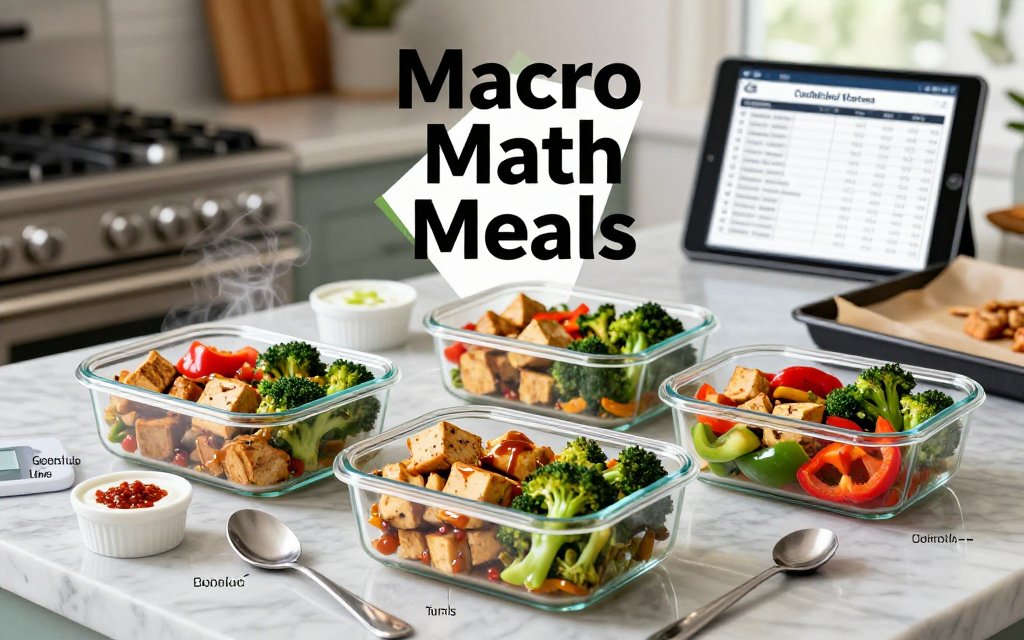
Here is a small rotation I lean on when I want vegetarian meal prep that is high-protein, low effort, and actually good reheated at work. The key is to build each meal around a protein “anchor,” then add volume from vegetables, and only then decide how much carb and sauce you want. Your calories stay predictable when the “calorie levers” are measured: oils, nuts, seeds, creamy dressings, and big scoops of pesto. If you are tracking in CalMeal, log the protein first, then veggies, then carbs, and add the sauce last so you can adjust portions without blowing the day’s target. (For health concerns, check with your doctor.)
Tofu and veggie prep boxes that actually hit protein
Base recipe (makes 4 boxes): use 24 oz extra firm tofu, 6 to 8 cups broccoli florets, and 3 bell peppers (sliced). Press tofu 15 minutes, tear into nuggets (better texture than perfect cubes), then toss with 2 tsp cornstarch, garlic powder, and salt. Bake tofu at 425 F for about 25 to 30 minutes, flipping once, and roast veggies on a second sheet pan (use cooking spray or 1 tsp oil total if you want it truly calorie tight). A solid “no drama” macro estimate per box (tofu plus veggies, no grains) is about 330 to 380 calories, 28 to 35 g protein, 20 to 30 g carbs, and 12 to 18 g fat, depending on tofu brand and how much oil sticks to the pan.
Sauce matters, but it does not need to be cheesy to be satisfying. Two measured options that reheat well: (1) soy-ginger: 1 tbsp low-sodium soy sauce, rice vinegar, grated ginger, and a zero-cal sweetener, plus 1 tsp sesame oil if you have room (about 40 calories). (2) gochujang-lime yogurt: 2 tbsp nonfat Greek yogurt, 1 tsp gochujang, lime juice, and garlic (usually 25 to 40 calories). If you swap proteins, your numbers shift fast: 3 oz seitan is roughly 21 g protein, and 4 oz extra firm tofu is roughly 12 g protein, which you can compare in this plant-based protein table. Practical swaps: replace half the tofu with seitan strips to boost protein without adding many calories, or use tempeh when you want a richer, more filling bite.
> If your meal prep keeps landing at 18 g protein, do not “fix” it with extra cheese. Fix it by increasing the protein anchor portion first, then keep sauces to 1 to 2 measured tablespoons.
Lentil meal prep bowls for weight loss
Lentil bowls are the easiest way to keep calories controlled while still feeling like you ate a real meal. My formula: (1) 3/4 to 1 cup cooked lentils, (2) a lean protein add-on, (3) at least 2 cups of vegetables, (4) an optional measured carb if you trained hard or you need more staying power. A typical range per bowl lands around 420 to 650 calories and 28 to 45 g protein, depending on your add-on and whether you include grains. Easy protein add-ons that hold up in the fridge: 1/2 cup shelled edamame, 4 to 6 oz baked tofu, or a skyr-based “creamy” sauce that tastes indulgent but usually stays under 80 calories for a generous portion.
One concrete bowl to copy: 3/4 cup cooked lentils, 1/2 cup edamame, chopped cucumber and tomato, a big handful of shredded cabbage, and 2 tbsp skyr mixed with lemon, dill, and garlic. That is commonly about 500 to 560 calories with roughly 35 to 42 g protein. If you want a carb component, add 1/2 cup cooked quinoa or brown rice and call it your “training day” version (usually plus 110 to 130 calories). Want to tighten calories without shrinking the bowl? Swap any oil-heavy dressing for salsa, mustard, pickled jalapenos, vinegar-forward slaw dressing, or straight lemon juice with salt and pepper. Those swaps keep flavor high, but they do not quietly add 200 calories.
A high-protein vegetarian lunch built for work
If you need a lunch that feels like “real food” at your desk and does not get sad by day three, try a seitan crunch wrap box. Pack 1 large whole wheat tortilla, 4 oz seitan strips (or 6 oz tofu if you avoid gluten), 2 tbsp hummus, a mountain of romaine, sliced cucumbers, and a handful of crunchy add-ins like radish or shredded carrots. Add 2 tbsp salsa or hot sauce as the “wet” ingredient so it stays fresh. Macro estimate with seitan: about 480 to 560 calories and 35 to 45 g protein, depending on tortilla and hummus brand. If you want even more protein without many calories, stir 2 tbsp nonfat Greek yogurt into the hummus to make a higher-volume spread.
Flavor tweaks that barely move calories are your best friend in a 1800-calorie day. Keep a “high impact, low calorie” kit: garlic, smoked paprika, curry powder, chili crisp seasoning (not the oil, just the spice), citrus juice, vinegar, pickles, capers, and miso paste used sparingly. If you do use oil, measure it every time, even if you are just roasting vegetables, because 1 tablespoon can add about 120 calories and it is easy to pour two without noticing. In CalMeal, save your best box as a template, then duplicate and only change one variable (protein swap, carb portion, or sauce). That keeps your weekly averages steady, and it makes hitting 100 g protein feel automatic instead of stressful.
Log it accurately and stay under 1800
If your meal prep is dialed in but your logging is sloppy, the math will not match your goals. The fastest way to make “100g protein under 1800” real is to treat your tracker like a kitchen scale with a memory. That means weighing ingredients, saving repeatable recipes, and logging portions the same way every time. This is not about perfection or obsession, it is about removing the common blind spots that quietly add 200 to 400 calories per day (especially oils, creamy sauces, and “just a handful” extras). If you have ever felt like you are doing everything right but progress is slow, better logging is often the fix.
Batch logging: the easiest way to stop guessing
Batch logging is a simple loop you can repeat every week: weigh raw ingredients, build one recipe in your tracker, then log your portion from the finished batch. Start with a bowl on the scale and tare between ingredients so you can capture exact grams (tofu, beans, veggies, grains, cheese, everything). In your app, create a recipe and enter those weights from the scale plus any label-based nutrition info. After cooking, weigh the total cooked yield (or count how many identical containers you filled). Now you can log either “1 serving out of 4” or log by grams of finished food, which is great if your portions vary slightly day to day.
The biggest accuracy wins come from the ingredients that are easiest to forget. First, always log cooking oil. A single tablespoon of olive oil is 119 calories, which adds up fast if you free-pour, as shown in USDA-based olive oil nutrition. If you sauté in oil, measure it with teaspoons, or weigh the bottle before and after cooking. Second, decide how to handle sauces: if the whole batch gets the same sauce, include it in the recipe; if people add different amounts at the table, log sauce separately. Third, use consistent containers so “one container” really means one portion, week after week.
Example: tofu tray bake meal prep, split into 4 equal portions. Weigh and log 400 g firm tofu, 500 g broccoli, 300 g bell peppers, 200 g red onion, 14 g olive oil (1 tablespoon), 10 g toasted sesame oil, and a simple sauce (like soy sauce plus a small spoon of peanut butter or maple, if you use it). Bake everything on one sheet pan. After cooking, weigh the finished tray and let’s say it comes out to 1400 g total. Set the recipe yield to 1400 g, then log 350 g per meal. Or, if you used four identical containers, set yield to 4 servings and log 1 serving each time. Either way, your protein and calories stay trustworthy.
FAQ: High protein vegetarian meal prep
If logging feels intimidating, remember why it works: it turns “I think I’m under 1800” into “I know I’m under 1800.” Research comparing self-reported food intake to objective methods (like doubly labeled water) repeatedly finds systematic under-reporting, even when people are trying to be accurate, which is summarized in this review on dietary under-reporting. Your goal is not to be flawless, it is to remove the predictable errors. The three questions below are the ones that most often break a good plan, so you can solve them before they derail your week.
How do I hit 100g protein vegetarian without soy?
Build your day around dairy, eggs, legumes, and protein powders, then use grains and veggies as support. A realistic soy-free base looks like: Greek yogurt or skyr at breakfast, eggs or egg whites at lunch, lentils or chickpeas at dinner, plus a whey or pea protein shake if you need an easy bump. If you eat dairy, low-fat cottage cheese is a quiet hero for high protein per calorie. For meal prep, make one big pot of lentil chili, portion it, then add a consistent side like cottage cheese or a measured sprinkle of cheese for extra protein.
What are the best high protein snacks vegetarian and low calorie?
Aim for snacks that are naturally portionable and easy to log. Great options include: nonfat Greek yogurt cups, skyr, low-fat cottage cheese, a single-serve protein shake, or a scoop of protein powder mixed with water and ice. If you prefer whole foods, hard-boiled eggs are simple and consistent. For crunchy snacks, roasted edamame is great if you eat soy, or try roasted chickpeas, just weigh them because calories climb quickly. A practical rule: pick snacks that give you at least 10 to 20 g protein for under 200 calories, and pre-log them so you do not “budget drift.”
Should I keep 1800 calories on workout days, or adjust?
Most people do best with consistency first: keep 1800 daily for two weeks, track weigh-ins and hunger, then adjust based on results. If workout days leave you ravenous, a small planned increase can prevent rebound snacking. Try adding 100 to 250 calories on training days, mainly from protein and carbs, then subtract that amount across one or two rest days so your weekly average stays on target. Easy adds: an extra yogurt, a banana plus a measured protein shake, or an extra half-cup of cooked lentils. If you have a medical condition or history of disordered eating, talk with a clinician before changing targets.
Ready to stop guessing and start seeing real numbers? Start tracking your nutrition today with CalMeal, a free app that takes the hassle out of calorie counting using AI-powered food recognition. Download it now and make your vegetarian meal prep plan easier to follow, easier to log, and easier to repeat. Get CalMeal on iOS or Android.
Start Tracking Your Nutrition Today
Download CalMeal for free and take the guesswork out of calorie counting with AI-powered food recognition.