Dense Bean Salads for Weight Loss: Macro Math
Dense bean salads are one of the easiest weight loss lunches to meal prep because they are high fiber, macro-friendly, and they do not get soggy. This guide shows the macro math behind beans for fullness, how to portion protein and calories, and how to build 5 grab-and-go salads for the week.
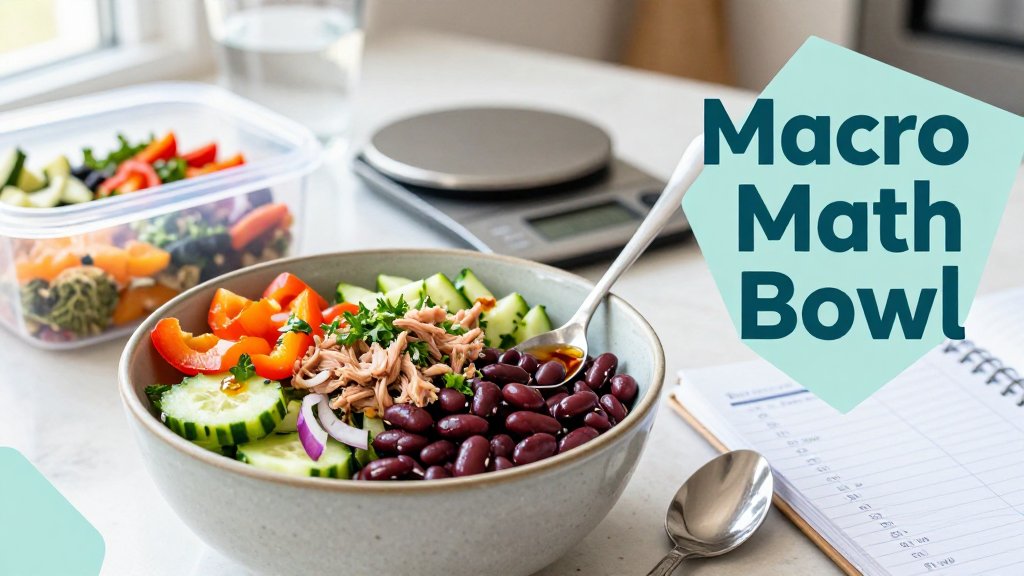
Meal prep should make your week easier, not leave you with soggy greens and a watery container by midweek. Dense bean salads solve that problem while helping you stay on track for weight loss because they are filling, high in fiber, and easy to portion. In this guide, you will learn the macro math behind beans, how to build balanced bowls that hit protein targets, and simple portion shortcuts you can repeat every week without overthinking calories.
Why dense bean salads work for fat loss
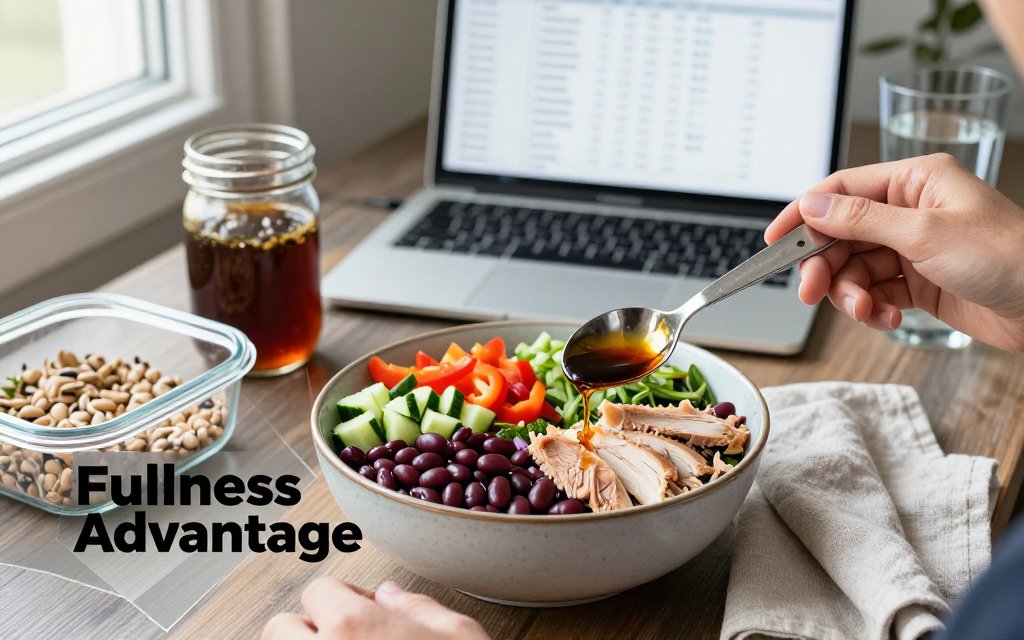
Dense bean salads are a quiet weight loss cheat code, not because they are magical, but because they make your calorie and macro targets easier to hit without feeling like you are dieting. Beans bring a rare combination to lunch: meaningful fiber, solid protein, and slow-digesting carbs in a format that actually tastes better after it sits. That matters if you are trying to string together weeks of “good enough” lunches instead of chasing the perfect recipe for three days and then burning out.
Picture a common workday lunch: a deli turkey sub, a small bag of chips, and a 16 oz sweet drink. Depending on the shop, that can land around 800 to 1,100 calories, and it often leaves you hunting snacks by 3:00 pm because it is low in fiber and easy to eat fast. Swap that for a bean salad bowl (3/4 cup beans, 2 cups chopped crunchy vegetables, 3-4 oz chicken or tuna, and a measured vinaigrette) and you are often in the 450 to 650 calorie range with more staying power. If you are using appetite-support tools, the same macro basics still apply, and GLP-1 protein and fiber tracking can help you keep the math simple.
Fullness math: fiber plus protein beats volume alone
Takeaway: people often try to eat less by eating lighter, but “light” meals can backfire with cravings. A giant bowl of lettuce and cucumber can look impressive, yet if it is mostly water and crunch with minimal protein, your stomach empties fast and your brain starts negotiating for snacks. Beans fix that problem because they contribute fiber plus some protein in the same forkful, which generally slows digestion and helps you feel steady instead of spiky. Dense foods can still be weight loss friendly, the trick is portioning them like a grown-up. You are not trying to eat as much food as possible, you are trying to build a lunch that buys you 4 to 5 hours without raiding the break room.
Here is the “macro math” mindset: aim for repeatable ratios, not perfect recipes. Start with a measured bean portion as your anchor, then surround it with high-volume vegetables and a lean protein. For a reality check on why beans feel so filling, the U.S. Dietary Guidelines list black beans at about 7.5 g fiber for 114 calories per 1/2 cup cooked in the dietary fiber source table. That fiber is one reason a bean-based lunch tends to hold you longer than a low-protein salad. Practical ratio you can repeat: 1 part beans, 2 parts crunchy veg, 1 part lean protein, plus an acid-forward dressing you measure.
The most common way a good bean salad turns into a calorie-heavy lunch is not the beans, it is the “extras” you do not measure. Oil is healthy, but it is still dense. Two tablespoons of olive oil is about 240 calories, which can erase the calorie savings of your whole swap. Same story with cheese, croutons, candied nuts, and creamy dressings that pour like ranch. Keep the flavor, just control the dose: use 1-2 teaspoons oil per serving, bulk up the dressing with lemon juice or vinegar, and add loud seasonings (Dijon, garlic, cumin, chili flakes, chopped herbs) so you do not rely on fat for taste. This is exactly the kind of small, repeatable math that makes weight loss feel less dramatic.
If your lunch keeps you full for four hours, your calorie budget gets easier. Measure beans, pick a lean protein, go heavy on crunchy veg, and cap added fats at 1-2 teaspoons per serving.
The meal prep advantage: they get better, not soggier
Most salads have a shelf-life problem. Leafy greens wilt, croutons soften, and the whole bowl turns into a sad puddle by day two. Dense bean salads are different because beans and chopped vegetables tolerate dressing. In fact, they often improve after a night in the fridge because salt and acid have time to soak in. That is why they are so reliable for 3-5 days of lunches: the structure holds, the flavors deepen, and you do not need to assemble anything at 7:30 am. If you want the best texture, cool cooked beans fully before mixing, drain and rinse canned beans well, and keep any delicate add-ins (avocado, fresh herbs) separate until the day you eat.
Make your container work for you. A wide, shallow container helps you scoop accurate portions (and see what is inside), while a tall jar is great if you tend to under-eat protein and want a visual “layering” reminder. Ingredients that stay crisp in the mix: cucumber (especially if you quarter and slice thick), bell pepper, red onion, celery, shredded cabbage, and grated carrot. Ingredients that can water out: tomatoes, especially if they are chopped small. If you want tomatoes for flavor, seed them and pat them dry, or store them in a small side cup and stir in right before eating. That tiny prep step keeps day four tasting like day one, which makes consistency way easier.
Macro math: calories, protein, fiber, portions
Dense bean salads get results because the math is predictable. Beans give you steady carbs plus fiber, then you add a clear protein “anchor,” and you control the calorie swing items (dressings and crunchy toppings). If you track macros, this kind of bowl is easier than a sandwich or takeout because each ingredient has a repeatable serving size. A simple rule: build your bowl in four moves, then log it. Start with beans as the base, add lean protein, pile on high-volume vegetables, and finish with a measured dressing. Once you do it a couple of times, you can hit your calorie target without feeling like you are guessing.
Your target ranges for weight loss lunches
For many people, a satisfying weight loss lunch lands around 400 to 600 calories with 25 to 40 g protein. That range leaves room for a normal breakfast and dinner while still creating a daily deficit, and it is high enough to prevent the “snack spiral” later. Protein is the lever here: it supports fullness, and it helps you hang onto muscle while dieting (especially if you lift or do any resistance training). If your salad feels huge but you are still hungry an hour later, it is usually a protein problem, not a vegetable problem. Aim to see a real protein portion in the bowl, not just a sprinkle of feta.
Fiber is the consistency tool. A practical reference range many adults use is about 25 to 38 g per day, which matches common Adequate Intake targets for women and men in nutrition guidance (age and calorie needs can shift that). You can see those benchmark values in the fiber Adequate Intake numbers. One dense bean salad can realistically contribute 12 to 18 g fiber, depending on whether you use closer to 3/4 cup or 1 cup beans, and whether you add fiber-rich vegetables like bell pepper, cabbage, and tomatoes. Increase fiber gradually if you are currently low, and pair it with plenty of fluids.
Use the table as your quick “base math.” It is roughly per 1/2 cup cooked, drained beans. If you build with 1 cup beans, double the numbers, which often puts the bean base around 220 to 270 calories with 12 to 16 g fiber. That is a big deal for weight loss because it means you can hit the fiber goal without pushing calories too high. Then pick the protein anchor based on your target: if you need 30 g protein at lunch, beans alone will not get you there. Also note that canned beans can vary a bit because of packing liquid and sodium. Rinsing and draining helps control sodium and makes the macro math more consistent from bowl to bowl.
Portion shortcuts that prevent accidental overeating
Here is a repeatable formula that keeps your bowl macro-friendly without feeling small: 3/4 to 1 cup beans as the base, 4 to 6 oz lean protein as the anchor (or a plant-based equivalent like baked tofu or tempeh), 1 to 2 cups chopped vegetables for crunch and volume, then 1 to 2 tbsp dressing measured. Example lunch bowl: 3/4 cup black beans, 5 oz grilled chicken breast, 1 cup chopped cucumber and bell pepper, plus 1.5 tbsp salsa-verde vinaigrette. That commonly lands in the 450 to 600 calorie zone with enough protein to feel like a meal, not a side salad.
Measure the dressing before it hits the bowl. One extra tablespoon of olive oil is about 120 calories, which can erase the deficit you built with beans and veggies. Nuts and cheese add up just as fast.
The sneaky calorie sources are almost never the beans or vegetables, they are the “tiny extras.” A couple tablespoons of oil-heavy dressing, a handful of nuts, seeds, or dried fruit, and a generous cheese crumble can quietly add 200 to 400 calories. If you love those flavors, keep them, just portion them like a macro tool: pick one higher-calorie add-in per bowl, measure it once, and stick with it. If you want a bowl that looks huge for fewer calories, lean into volume tactics like shredded cabbage, chopped romaine, diced tomato, and extra cucumber, and save your calories for the protein. This pairs perfectly with energy density hacks for fewer calories.
Adjust the same blueprint to your day instead of reinventing lunch. On a 400 calorie day, use 3/4 cup beans, 4 oz protein, and keep dressing to 1 tbsp (use lemon, vinegar, mustard, salsa, or pickled jalapeno juice to boost flavor). On a 600 calorie day, go to 1 cup beans and 6 oz protein, or keep protein the same and add a controlled “fat topper” like 1 tbsp pumpkin seeds. If you have digestive conditions, kidney disease, or you are on a medically prescribed diet, check with your clinician before making big changes to fiber or protein targets. For everyone else, this is one of the simplest lunches to batch-prep and log accurately.
Build a dense bean salad that tastes good
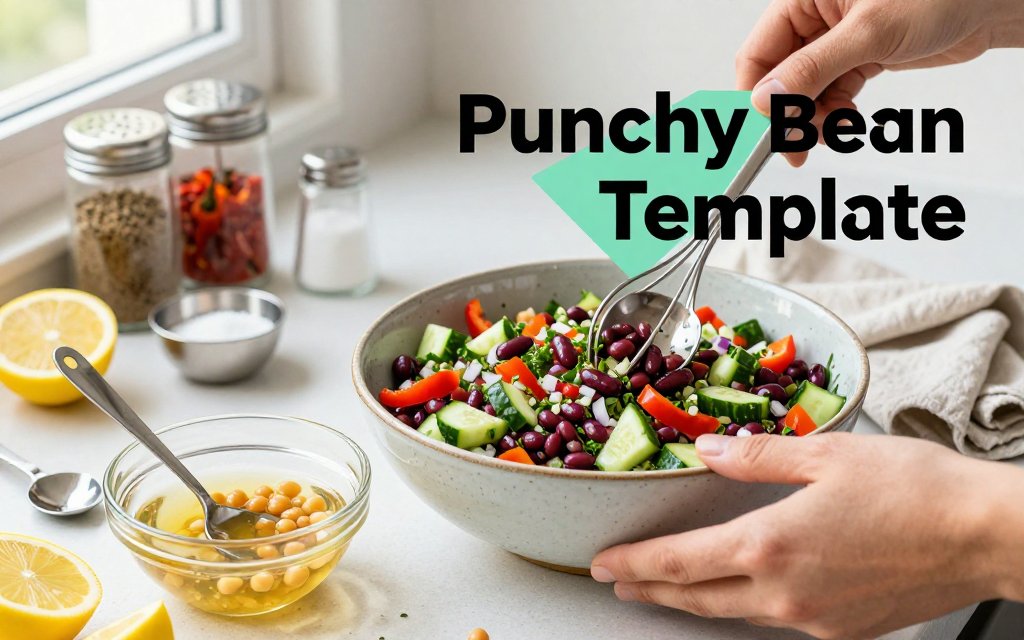
Dense bean salads get a bad reputation for being “healthy but sad,” and it usually comes down to flavor structure and texture. The goal is a bowl that is punchy and bright, not soggy and bland, while still staying predictable for calorie tracking. Think of your salad like a template: beans are the base, vegetables are the volume and crunch, and the dressing is the flavor amplifier that you measure on purpose. If you can build the same structure every time, you can rotate ingredients (Mediterranean, Mexican-inspired, curry-ish) without having to relearn the macro math each week.
To keep it macro-friendly, treat calorie-dense add-ins like “dials,” not defaults. Beans and veggies can be generous, but oil, cheese, nuts, and dried fruit need a measuring spoon if weight loss is the goal. A simple anchor is: 3/4 cup beans (about 180-220 calories), 1 to 2 cups chopped veggies (50-100 calories), and 1 to 2 teaspoons oil in the dressing (40-80 calories). From there, choose your protein slot: either keep it plant-based (tofu, edamame, tempeh) or add lean animal protein (tuna, chicken, shrimp). Same method, different protein lever.
The no-boring formula: acid, salt, crunch, herbs
Here are the four flavor levers that make beans craveable: acid (lemon, lime, vinegar), salt (enough to wake everything up), crunch (something that snaps), and herbs or spices (fresh herbs, cumin, curry powder, chili). The order matters. Start by mixing an acidic dressing, then salt it until it tastes “finished,” then toss in beans and let them sit 10 minutes so the flavor penetrates. Add crunchy vegetables and herbs last so they stay lively. A common mistake is skipping salt, then compensating with extra cheese or extra dressing. If sodium is a concern, you can still build flavor by rinsing and draining canned beans, which can reduce sodium meaningfully (one summary cites about 41% on average) while keeping you in control of added salt, as described in rinsing canned beans guidance.
If you want a build that you can screenshot and repeat, use the checklist below. It keeps calories stable because it forces you to measure the “easy to overdo” items (mainly oil and rich add-ins) while still letting you pile on vegetables. Bonus tip: dress the beans first, then fold in delicate ingredients (greens, herbs) right before eating. That single tweak fixes a lot of meal prep sadness.
Texture fixes: no mush, no puddles
The two most common texture problems are mushy beans and watery salad. Mush usually happens when beans are overcooked, stirred too aggressively, or dressed while still wet from rinsing. Fix it by draining thoroughly, then patting beans dry with a towel (especially chickpeas and white beans). Watery salad usually comes from juicy vegetables (tomatoes, cucumbers) plus too much dressing. If you use cucumber, scrape out the seedy center or salt the chopped cucumber for 10 minutes and blot it dry. For meal prep, store crunchy add-ins separately and fold them in right before eating. Your salad stays bright for days, and your macros stay consistent because you are not “fixing” texture with extra oil or cheese.
Build flavor with acid and salt first, then protect texture with crunch last. If you measure oil and keep rich add-ins intentional, you get a salad that tastes “restaurant good” without your calories quietly doubling.
Three macro-friendly combos you can rotate weekly
Mediterranean (bright and herby): 3/4 cup chickpeas, 1 cup cucumber and tomato (seeded), 1/4 cup red onion, 1 ounce feta, dill or parsley, lemon juice, and 1 teaspoon olive oil. Approx macros: 330-380 calories, 14-18 g protein, 45-55 g carbs, 10-14 g fat, 10-12 g fiber (depends on feta and oil). Swap options: for plant-based protein, swap feta for 2 tablespoons hummus stirred into the dressing (creaminess with fewer “cheese creep” calories) and add 1/2 cup edamame for a protein bump. For omnivore, keep the base the same and add 3 ounces grilled chicken if you want it to eat like a full meal.
Mexican-inspired (lime and cumin): 3/4 cup black beans, 1/2 cup corn, 1 cup chopped bell pepper, scallions, cilantro, lime juice, cumin, and 1 teaspoon olive oil. Approx macros (base bowl): 320-360 calories, 12-16 g protein, 55-65 g carbs, 6-9 g fat, 12-16 g fiber. Omnivore add-on: 3 ounces shredded chicken breast brings the bowl to roughly 450-500 calories and 35-40 g protein, which is a solid fat loss lunch if you are tracking. Plant-based add-on: 4 ounces extra-firm tofu or 1/2 cup shelled edamame keeps the same build method, and you still get a big protein lift without changing the flavor logic.
Curry-ish (warm spice, cool crunch): 3/4 cup chickpeas or white beans, 1 cup shredded carrot and cucumber (seeded), chopped cilantro or mint, curry powder, a pinch of salt, and a measured creamy element. For a lighter dressing, mix 2 tablespoons plain Greek yogurt with lemon juice and curry powder (about 40-60 calories). For plant-based, use an unsweetened soy yogurt or 1 tablespoon tahini plus extra lemon and water (tahini is richer, so measure it). Approx macros with yogurt: 300-380 calories, 15-25 g protein (higher if you add 1/2 cup edamame), 45-55 g carbs, 5-10 g fat, 10-12 g fiber. The trick is the same every time: acid plus salt, then beans, then crunch and herbs.
Weekly meal prep plan that will not get soggy
Make this a system, not five identical lunches. The goal is to batch sturdy components (beans, crunchy veg, protein, dressing) so each day still tastes fresh. Shop once for: 3 to 4 cans of beans (chickpeas, black beans, cannellini), 2 bell peppers, 1 red onion, 1 cucumber, 1 pint cherry tomatoes, 1 bunch parsley, 1 lemon, plus a protein (rotisserie chicken, tuna packets, baked tofu, or hard-boiled eggs). Add one “texture booster” like sliced olives or roasted pepitas. If you keep wet and delicate items separate, you can prep on Sunday and still have crisp lunches by Thursday.
A 60 minute prep workflow for five lunches
Set yourself up like a pro before you chop anything. Pull out five containers (28 to 32 oz works well), a small jar for dressing, a cutting board, and a kitchen scale. Put a colander in the sink, open all canned beans, and rinse them hard for 20 to 30 seconds each. That rinse is not just for flavor, it also helps many people tolerate beans better. If you are adding a cooked protein (chicken thighs, ground turkey, tofu), cook it first so it can cool while you prep the vegetables.
For storage, think “layers.” Bottom layer is beans and sturdy veg. Next is protein. Dressing goes in a mini cup or separate jar if you hate sogginess, or you can lightly coat the beans (1 to 2 teaspoons per container) and keep the rest separate for the day you eat. Save spinach, arugula, or chopped romaine for same-day assembly. In general, most dense bean salads hold 3 to 5 days refrigerated, but the exact window depends on ingredients (seafood, dairy, and cut tomatoes shorten it). If anything smells off, looks slimy, or fizzes, it is a no.
Quick safety check: Keep your fridge at 40 F or colder, and chill cooked foods promptly. If your lunch sat out more than 2 hours (or 1 hour above 90 F), toss it.
To log fast in a calorie counter, build one “master recipe” instead of logging every lunch from scratch. Weigh the full batch after mixing (container on the scale, tare to zero, add salad). Then decide your servings: either divide into five equal containers by weight, or set a target like 420 g per lunch and portion that amount. Log once as a recipe, then copy it across days. If you change add-ons, log them separately (example: 1 tbsp olive oil is about 120 calories, a quick change that matters). CalMeal-style photo logging works best when ingredients are visible, so snap the open container before you stir in dressing.
FAQ: dense bean salads, macros, and fiber
Beans are one of those foods people overthink, especially when they start tracking macros. If you are new to fiber, go gradually: start with a half-cup of beans per meal, drink water, and keep your veggies cooked or roasted for a week if raw salads feel too intense. Rinsing canned beans and chewing slowly also helps. If you have IBS, IBD, or any medical condition that affects digestion, it is smart to check with a clinician before dramatically increasing fiber. Now, the practical questions I hear most often, with simple fixes you can use this week.
Do beans cause weight gain because they are high in carbs?
Beans have carbs, but they also bring fiber and protein, which usually makes meals more filling per calorie than refined carbs. Weight gain is driven by sustained calorie surplus, not a single macro. In fact, a meta-analysis of pulse trials found small weight reductions when people added about one serving per day. The common “oops” with bean salads is dressing calories. Track beans by drained weight, and measure oil with a tablespoon. A good starting portion is 1/2 to 3/4 cup beans per lunch.
How do I hit high protein high fiber meals without too many calories?
Use beans for fiber, then “attach” lean protein without pouring on extra fat. Simple combos: chickpeas + tuna, black beans + shredded chicken breast, white beans + baked tofu, or lentils + shrimp. Keep the flavor big and the calories calm by making a sharp dressing (vinegar, lemon, mustard, herbs) and capping oil at 1 to 2 teaspoons per serving. Example lunch: 3/4 cup chickpeas, 4 oz chicken, peppers, onion, parsley, plus 2 tsp olive oil and vinegar, often lands around 450 to 550 calories with strong protein and fiber. Log the dressing separately so it is accurate.
How long do dense bean salads last in the fridge, and how do I keep them from getting watery?
Most dense bean salads are best within 3 to 5 days when kept cold, and they stay nicest when watery ingredients are managed. Keep tomatoes, cucumbers, and any fruit (like mango) in a separate container, then add right before eating. Drain beans very well, and blot them, since trapped water dilutes dressing and softens veggies. Choose sturdy veg (peppers, onions, carrots) for the main mix, and add greens the day you eat. For safety, follow the basics in this refrigeration and food safety guide, including a 40 F fridge and the 2-hour rule for food left out.
Ready to make the macro math effortless? Start tracking your nutrition today with CalMeal, a free app that takes the guesswork out of calorie counting using AI-powered food recognition. Snap a photo, log faster, and stay consistent with your goals whether you are meal prepping dense bean salads or eating out. Download now on iOS or Android and get started today.
Start Tracking Your Nutrition Today
Download CalMeal for free and take the guesswork out of calorie counting with AI-powered food recognition.