Energy Density Hacks to Eat Fewer Calories Daily
Learn simple energy density hacks that help you feel full on fewer calories, using high-volume low-calorie foods, smart swaps for ultra-processed snacks, and no-measuring portion cues. Includes a quick cheat table and easy meal formulas you can track in CalMeal.
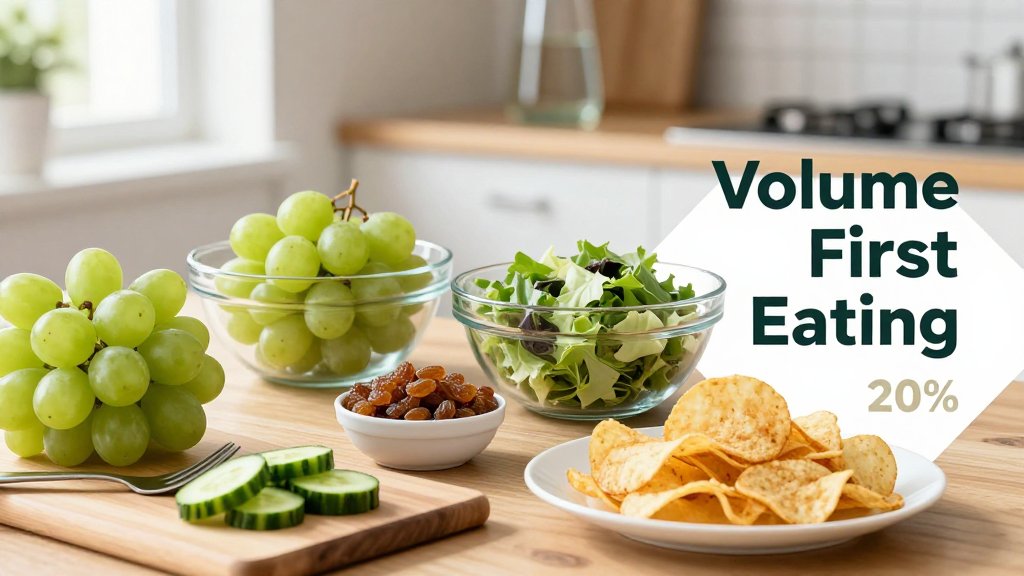
If you have ever tried to eat less by shrinking your usual portions, you know how fast hunger can derail your plan. The problem is not willpower, it is calorie density. When most bites pack lots of calories, smaller plates feel like punishment. In this article, you will learn simple energy density hacks that let you keep meals satisfying while lowering calories per bite. Expect practical swaps, volume-boosting ingredients, and easy ways to build a daily deficit that feels surprisingly normal.
What energy density really means for fullness
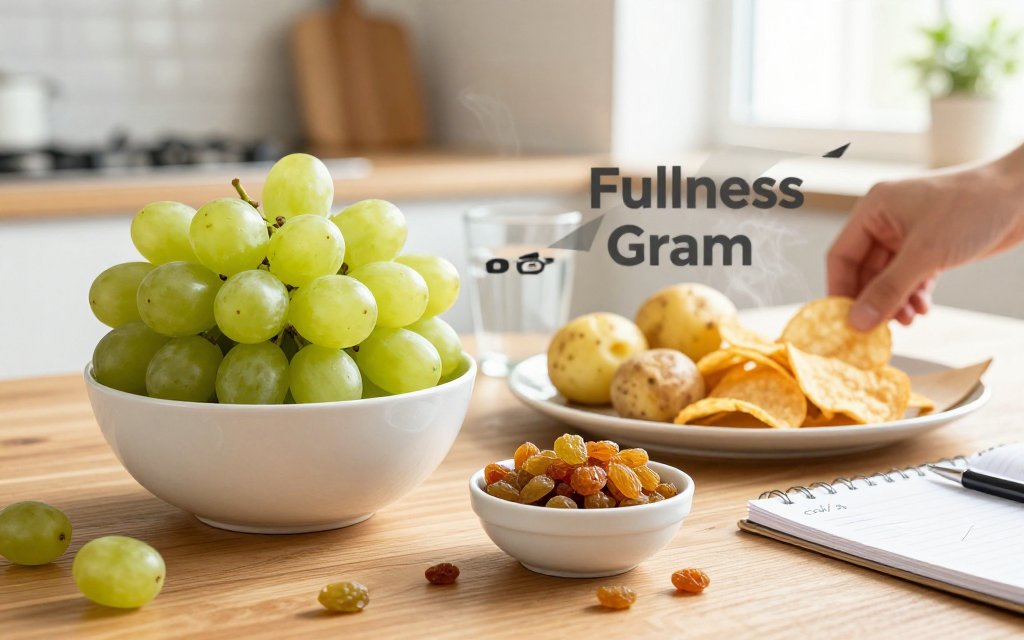
Energy density is a simple idea with a huge real-life payoff: it is how many calories a food has for its weight (often thought of as calories per gram). High energy density means a small amount of food packs a lot of calories. Low energy density means you get a bigger portion for the same calories. This matters because your stomach and brain pay attention to volume, chewing, and time spent eating, not just the calorie number on a label. If you have ever tried to “just eat less” by shrinking your usual meals, you already know the problem: the plate looks sad, the meal ends fast, and hunger shows up like it is a willpower issue. Most of the time, it is an energy density issue.
The one sentence rule that changes eating
Here is the rule of thumb worth putting on a sticky note: To eat fewer calories without feeling deprived, build meals around foods with lots of water and fiber, then add protein. Water and fiber are “volume boosters.” They take up space in your stomach, increase chewing, and slow down how quickly you can eat. That extra time sounds small, but it gives your fullness signals a chance to catch up before you are going back for seconds. Protein helps in a different way: it makes meals feel more “finished” and tends to keep you satisfied longer than a meal that is mostly refined carbs and fat. Put together, low energy density foods plus a solid protein portion often lets you keep the bowl big while bringing calories down.
Picture grapes versus raisins. Grapes are mostly water, so you can eat a lot of them for a modest calorie hit. A cup of grapes is roughly 100 calories, and it feels like an actual snack: crunchy, juicy, and time-consuming to chew. Raisins are grapes with the water removed, which means the sugar and calories are concentrated. A cup of raisins can be around 430 calories, and it is easy to eat in a few handfuls. The same “water removed” math shows up with potatoes versus chips. A medium baked potato is about 160 calories and takes a while to eat with a fork. Chips are potato plus added oil and less water, so calories stack fast, and a 150 calorie serving is often just a small handful. A review that lists grapes as low energy density (about 0.69 kcal per gram) and raisins as higher energy density (about 3.1 kcal per gram) highlights this exact contrast using energy density examples.
If you want daily calorie cuts that do not feel like dieting, keep your plate size the same. Lower calories per bite with veggies, fruit, and broth, then anchor the meal with protein so fullness lasts.
Common mistake: shrinking meals instead of changing foods
The most common energy density mistake looks like discipline but feels like punishment: you keep the exact same foods, then simply cut the portion in half. If your usual pasta bowl is 600 calories, eating a 300 calorie half-bowl sounds logical on paper, but it often backfires because it is literally less food. Try a different move: keep the bowl big and change what is inside it. Example: start with 2 cups cooked pasta (about 400 calories), then add 1 to 2 cups sauteed zucchini, mushrooms, and spinach (about 50 to 80 calories), plus a lighter sauce like marinara (about 70 to 120 calories) instead of a heavy cream sauce (often 200 calories or more per serving). You can land near 450 calories with a larger, more satisfying bowl, not a smaller one.
Two quick “keep the plate full” swaps you can use today: First, taco night. Instead of shrinking the tortilla chips, build a taco bowl that starts with shredded lettuce, tomatoes, onions, and grilled peppers, then add a measured portion of rice, beans, and meat. You still get the fun textures and flavors, but you have more total food for fewer calories per bite. Second, breakfast. Rather than cutting your oatmeal portion in half and staying hungry, keep the oats reasonable (for example, 40 g dry oats, about 150 calories), then add volume with berries (about 60 calories per cup for strawberries), grated zucchini (it disappears), and a high protein topper like nonfat Greek yogurt. It tastes bigger, looks bigger, and usually holds you longer.
Why water, fiber, and air change calories per bite
Water is the easiest lever because it adds weight and volume without adding calories. That is why fruit, vegetables, and soups often feel “big” for the calories. Fiber also helps because it adds bulk and typically increases chewing, which naturally slows you down. Air matters too, and it is underrated: compare a dense cracker to popcorn. A typical popcorn bowl looks massive, and even when the calories match, your brain registers “I ate a lot.” The goal is not to avoid calorie-dense foods forever, it is to place them where they do the most good. Think: sprinkle cheese over a huge salad instead of making cheese the whole snack. If you are also tracking macros (or appetite has changed for any reason), pair this approach with consistent logging and targets like GLP-1 protein fiber tracking so you keep fullness and nutrition working together.
A practical way to apply energy density at every meal is to build your plate in layers. Layer 1 is low energy density volume: non-starchy vegetables, fruit, or broth-based soup. Layer 2 is protein: chicken, fish, tofu, eggs, lean beef, Greek yogurt, or beans, measured to match your goals. Layer 3 is your higher energy density “comfort” ingredient: pasta, rice, cheese, nuts, oil, chips, or dessert, kept intentional instead of accidental. You still get the foods you like, but the calorie-heavy items stop taking over the whole meal. If you have a medical condition, a history of disordered eating, or medications that affect appetite or digestion, check with a doctor or registered dietitian for personalized guidance.
High-volume low-calorie foods and swap cheat sheet
If you only grocery shop once a week, you do not need a perfect meal plan, you need a repeatable set of “default foods” that give you a lot of plate space for not many calories. High-volume, low-calorie foods make it easier to keep portions satisfying while your calorie target stays realistic. Think in “base plus topper” terms: build most meals on a big base of produce, soup, beans, or potatoes, then add a steady protein, then finish with a small amount of higher calorie flavor (cheese, nuts, olive oil, sauce). The base is what keeps you full, and the topper is what keeps it enjoyable.
A simple swap framework you can repeat daily is: keep the craving, change the base, and measure the “calorie glue.” Calorie glue is the stuff that silently stacks calories fast, like oil, butter, mayo, creamy dressings, nut butters, and sugary add-ins. You can still use them, just use smaller, measured amounts. Practically, this looks like adding 1 to 2 cups of watery veggies to the meal you already eat (extra tomatoes and cucumbers in a sandwich, zucchini in pasta, spinach in eggs), then choosing one protein you can grab quickly (rotisserie chicken, eggs, tuna packets, tofu, nonfat Greek yogurt).
Build your cart from water-plus-fiber foods
Your highest return shopping list is produce that is heavy with water and naturally high in fiber. These foods take up space in your stomach for a small calorie hit, which makes your “normal” portion feel bigger. Easy wins include berries, melon, oranges, cucumbers, tomatoes, zucchini, and leafy greens. For rough reference, nutrition data in USDA FoodData Central puts 1 cup strawberries around 50 calories, 1 cup watermelon around 45 calories, 1 cup sliced cucumber around 15 calories, and 1 cup chopped tomatoes around 30 calories. For busy weeks, lean on frozen berries, bagged salad kits (use half the dressing), and pre-cut melon trays.
Do not stop at produce. Broth-based soups, beans and lentils, potatoes, oats, and air-popped popcorn are “volume staples” that actually feel like food, not diet food. A bowl of broth-based vegetable soup often lands around 80 to 150 calories depending on what is in it, and it is a great first course before your main meal. Cooked lentils are roughly 115 to 120 calories per half cup, and they add fiber plus protein. Potatoes are surprisingly filling for their calories (a medium baked potato is often around 160 calories before toppings). Pair these bases with protein for staying power, like chicken, turkey, eggs, cottage cheese, tofu, or Greek yogurt. If you are using GLP-1s, this pairing matters even more, so keep a tight routine with tracking protein fiber calories.
Ultra-processed foods and calorie density traps
Ultra-processed snacks are a classic calorie density trap because they pack a lot of calories into a small, easy-to-eat volume. A handful disappears fast, and your stomach barely notices. Watch for the “small serving, big calories” pattern: 1 tablespoon of oil is about 120 calories, 2 tablespoons of peanut butter is about 190 calories, and many chips or crackers land around 150 calories per ounce. These foods are not forbidden, but they need guardrails. The simplest guardrail is speed control plus pre-portioning: pour a serving into a bowl, close the bag, and eat it seated. If you are standing in the kitchen, you will usually overshoot.
The fix is not “eat bland food.” It is “keep the flavor, change the base.” If you want crunch, go for cucumbers, snap peas, carrots, and bell peppers plus a measured dip (2 tablespoons hummus or ranch). If you want creamy and sweet, build a Greek yogurt bowl with berries, cinnamon, and a measured sprinkle of granola (try 2 tablespoons, not 1 cup). If you want something rich at dinner, keep the same seasoning and add volume: double the vegetables in your stir-fry, use half the rice, and add edamame or chicken. Stock your weekly cart to make this automatic: 2 tubs Greek yogurt, 2 bags frozen berries, 4 cans beans, 5 lb potatoes, popcorn kernels, and 2 to 3 “salad-ready” veggies like cucumbers and tomatoes.
Pick one daily swap and repeat it for a week. Keep your favorite flavor, add at least 1 cup of produce, and measure the calorie glue. Small changes done consistently beat complicated rules you cannot maintain.
To make this feel effortless, choose just three “default” swaps from the table and set them on autopilot: one snack, one lunch, and one dinner. Log your usual version in CalMeal once, then log the swap and compare the calories side by side. Many people are shocked by how often a 150 to 300 calorie daily difference comes from sauces and snack portions, not from the main protein. As a simple target, aim for 25 to 35 grams of protein at meals and include a fiber anchor (beans, lentils, oats, potatoes, or fruit) so you stay satisfied. For any health concerns, medication questions, or medical diets, check in with your clinician or a registered dietitian before making big changes.
Meal formulas that cut calories without measuring
If measuring feels like homework, lean on formulas you can repeat on autopilot. The goal is to keep the plate size the same while lowering the calorie load of what fills it. Start with breakfast, because it sets up the whole day. Try this template: protein plus fruit or veggies plus a satisfying carb. Before: a cafe muffin and flavored latte (often 550 to 750 calories). After: 2 eggs plus 1 cup berries plus 1 slice whole grain toast (about 350 to 450 calories) and your plate looks fuller because fruit adds volume. Another easy swap: oatmeal made with water, topped with a chopped apple and cinnamon, plus a scoop of Greek yogurt stirred in, usually lands 200 to 300 calories lower than a sugary cereal bowl, but it takes longer to eat.
The high-volume plate formula for lunch and dinner
Use this hand portion formula and you can build lunch or dinner in under a minute: half your plate non-starchy veggies, one palm of protein, one fist of smart carbs, and one thumb of fat. It works because you are filling space with foods that are heavy in water and fiber, not heavy in calories. Research on dietary energy density consistently shows that lowering the calorie density of meals can reduce calorie intake without requiring tiny portions, a practical takeaway highlighted in a dietary energy density review. The sneaky lever is usually fat added during cooking or finishing: oil, butter, creamy dressings, and “just a handful” of cheese can quietly add 150 to 300 calories to an otherwise smart plate. (pubmed.ncbi.nlm.nih.gov)
Example 1, taco bowl: Before, a restaurant style bowl with double rice, chips, sour cream, guac, and cheese can hit 900 to 1,200 calories. After, keep the bowl big and colorful: shredded lettuce and fajita peppers as your half-plate base, a palm of chicken or black beans, a fist of cilantro lime rice or corn, and a thumb of guac. Then use salsa, pico, and lime for flavor instead of extra sour cream. That “after” bowl is often 550 to 750 calories, a 200 to 400 calorie drop, and the bowl can look larger because the veggie volume expands. Bonus macro tip: if you are trying to hit protein, add extra chicken and reduce the rice fist slightly, rather than adding more cheese.
Example 2, stir-fry: Before, a big takeout stir-fry with sugary sauce and lots of oil plus a mound of white rice can land around 850 calories. After, keep the pan full: start with 3 to 4 cups of broccoli, snap peas, mushrooms, and cabbage, then add a palm of shrimp, chicken, tofu, or lean beef, plus a fist of rice (or half rice, half cauliflower rice). Finish with soy sauce, garlic, ginger, and a measured thumb of sesame oil, instead of free-pouring. Example 3, pasta remix: swap half the pasta volume for zucchini noodles or roasted veggies, use a tomato-based sauce, and choose lean turkey or lentils for protein, often saving 150 to 300 calories without changing bowl size. Example 4, a big salad that is not sad: start with crunch (romaine, cucumber), add protein (salmon pouch or rotisserie chicken), add a fist of carbs (chickpeas or quinoa), then keep dressing to about 2 tablespoons, because that is where salads often double in calories.
Picture a busy workday: you have back-to-back meetings and lunch becomes a five minute decision. Two small changes can prevent the 3 pm snack spiral. Change one: you build the high-volume plate at lunch, even if it is a “desk bowl.” You grab a steam-in-bag veggie kit, add pre-cooked chicken, toss in microwave brown rice, and use salsa or hot sauce instead of a creamy dressing, saving about 250 calories versus a deli sandwich with mayo and chips. Change two: you schedule a planned snack at 2 pm, not a random graze at 4 pm. A Greek yogurt cup plus berries (around 200 calories) beats “some candy from the office jar” that can quietly become 350 calories. Those two swaps can save 150 to 400 calories and, more importantly, keep your hunger level steady so you do not arrive at dinner ravenous.
Build the plate first, then season it. Fill half with vegetables, add a palm of protein, a fist of carbs, and a thumb of fat. If calories creep up, check oils, cheese, and creamy sauces first.
Snacks that feel big but stay light
Use snack structures so you stop “shopping the pantry” and start choosing on purpose. Fruit plus protein: an apple with 1/2 cup cottage cheese is often 200 to 250 calories and takes real chewing time. Crunchy plus creamy: carrots, snap peas, or bell pepper strips with 2 to 3 tablespoons hummus lands around 120 to 200 calories, depending on how generous the scoop is. Warm and savory: a mug of broth-based soup (think miso soup or chicken veggie broth) can be 50 to 150 calories but feels like a mini meal because it is hot and filling. Sweet and cold: plain Greek yogurt with a big handful of berries and a sprinkle of cinnamon is usually 150 to 250 calories, and you can bump protein higher by choosing a higher-protein yogurt. Timing matters too: planned snacks (even just one) beat random grazing, because you can budget them into your day and log them quickly in a tracker without surprise calories piling up.
Satiety tips for weight loss that actually stick
Energy density works best when your day has a few simple guardrails that keep hunger predictable. The highest-impact levers are not complicated: hit a protein target at each meal, build fiber across the day, watch liquid calories, use cooking methods that add volume without pouring in fats, and slow the eating pace just enough for fullness signals to catch up. If you try to “be perfect” on all five, it tends to backfire. Pick one lever to practice for a week, then layer the next. If you have any health conditions, medications, or a history of disordered eating, check in with a doctor or registered dietitian for personalized guidance.
Protein, fiber, and the hidden calorie leaks
Protein is the easiest “satiety anchor” to standardize. A practical range is 25 to 35 g of protein per meal, if it fits your daily target. That might look like 5 to 6 oz chicken breast (often around 40 to 50 g protein, so you can go smaller), a single-serve high-protein Greek yogurt plus a scoop of whey, or a tofu stir-fry with edamame. If you eat three meals, that range lands you around 75 to 105 g per day without needing a spreadsheet. Start by making breakfast protein-forward, because a low-protein breakfast can set you up for snacky, high-calorie grazing later.
Fiber is the other big lever for “high volume, lower calories” eating, and most people simply do not get enough. A realistic target range is 25 to 35 g fiber per day, built from beans, lentils, berries, apples, vegetables, and whole grains. For context, the Academy of Nutrition and Dietetics notes a common guideline of 14 g fiber per 1,000 calories, which works out to roughly 25 g for many women and 38 g for many men. Make fiber easy with cooking choices: simmer a pot of lentil soup, roast a sheet pan of broccoli and carrots, or bulk up tacos with cabbage slaw and black beans.
Now for the hidden calorie leaks that quietly undo energy density: oils, nuts, cheese, sugary coffee drinks, juice, and alcohol. These are not “bad,” they are just concentrated. One tablespoon of olive oil is about 120 calories, a small handful of nuts can hit 160 to 200 calories, and a generous cheese sprinkle can turn into 200 calories fast. Three fixes that do not feel restrictive are: keep the flavor but reduce the dose (use a teaspoon of oil or a spray, then add lemon, salsa, herbs, or hot sauce), pre-portion calorie-dense foods (buy snack packs of nuts or make your own), and swap liquid calories for satisfying alternatives (cold brew with a splash of milk, sparkling water, or whole fruit instead of juice). The CDC points out that one 12-ounce soda nearly hits the daily added sugar limit on a 2,000 calorie pattern, and it rarely keeps you full.
Coach note: if your meals are generally protein-plus-produce, you can enjoy oils, nuts, and cheese intentionally. The goal is awareness, not fear. Track the add-ons for a week, then decide what is worth it.
Is energy density just portion control without measuring?
Not exactly. Portion control is about eating less of anything, which can feel punishing if the food is calorie-dense. Energy density is about changing the mix so the portion can stay satisfying. You still use portions, but you lean on low-calorie volume: more vegetables, fruit, broth-based soups, lean proteins, and high-fiber carbs. For example, keep taco night, but use extra cabbage slaw and salsa, choose leaner meat, and measure the cheese once. You end up eating a full plate with fewer calories.
Do I have to eat salads to eat high volume low calorie meals?
No. Salads are optional, not mandatory. High-volume can be warm, savory, and comfort-food friendly: vegetable-heavy chili, zucchini noodles mixed with pasta, cauliflower rice blended into regular rice, or a big bowl of miso soup with tofu and mushrooms. Even breakfast can be high-volume: cottage cheese with berries, oats with grated zucchini and cinnamon, or an egg scramble loaded with peppers and spinach. The trick is cooking method and add-ons: roast, steam, grill, air-fry, then use sauces you love in measured amounts.
How do ultra-processed foods drive overeating, and what can I do about it?
Ultra-processed foods often combine high calorie density with low fiber and low protein, and they are easy to eat quickly. That combo can bypass fullness signals, especially when you are tired or stressed. You do not need to ban them, but add speed bumps: plate the serving instead of eating from the bag, pair it with a protein (Greek yogurt, jerky, eggs) and a high-volume side (fruit, carrots, air-popped popcorn), and slow the pace by putting utensils down between bites. Cravings usually soften when meals are consistent and satisfying.
To make these habits stick, treat tracking as feedback, not judgment. Log what you normally eat for a few days, then look for patterns: are most of your calories coming from oils and snacks, or from liquid calories, or from low-protein breakfasts? In CalMeal, consistent logging helps you see those repeats clearly, especially when you capture meals right when you eat them and include the “little stuff” like cooking oil, nut butters, and cream in coffee. Once you spot your top one or two calorie leaks, you can fix them with tiny defaults, like measuring oil once, choosing a higher-protein breakfast, or adding a fiber side at lunch. Small repeatable wins beat occasional perfect days.
Ready to make these energy density hacks stick? Start tracking your nutrition today and remove the guesswork. Download CalMeal for free and use AI-powered food recognition to log meals faster, spot calorie-dense patterns, and stay consistent without obsessing. Grab it here: iOS or Android. Your next meal is a great place to start.
Start Tracking Your Nutrition Today
Download CalMeal for free and take the guesswork out of calorie counting with AI-powered food recognition.