Empty calories from alcohol quietly stall weight loss
Alcohol packs about 7 calories a gram and slips past your fullness signals, so drinks quietly stall weight loss. Here is what beer, wine, vodka, and cocktails really cost, and how to keep the empty calories in check.
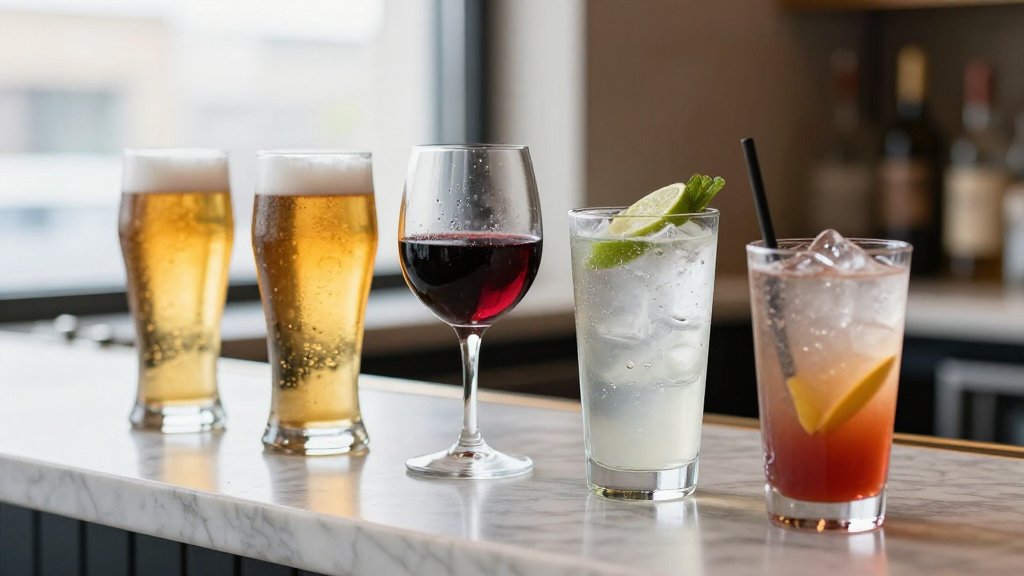
That gin and tonic you barely think about can carry more calories than a chocolate biscuit, and none of them fill you up. Alcohol sits in a strange spot on your plate. It is the second most energy dense thing you can put in your body, just behind pure fat, yet it never shows up as food. Those are the empty calories that quietly stall weight loss even when your meals look clean.
Here is the part that catches people out. Alcohol calories do not switch off your appetite the way a real meal does, so they land on top of everything else you ate that day. A big night out can add a full extra meal of energy without a single bite. If you are tracking your intake and the scale will not move, your glass is often the missing number.
What empty calories from alcohol really cost
Every gram of alcohol carries about 7 calories, almost as much as the 9 in a gram of fat and nearly double the 4 in carbs or protein. Your body cannot store alcohol, so it burns it first and pushes fat storage to the back of the queue. That is why a drinking habit can hold weight in place even during a careful calorie deficit. The NHS puts a pint of 5% beer at up to 222 calories and a standard 175ml glass of wine at 158.
Money is the clearest way to see it. Five pints of lager a week runs close to 57,720 calories over a year, roughly 16 pounds of body fat in raw energy terms. Four bottles of wine a month lands near 32,400 calories a year. You would never eat that much extra on purpose, but it pours in without notice.
Alcohol gives you about 7 calories per gram, nearly as many as fat, with none of the protein, fiber, or vitamins that make food worth eating.
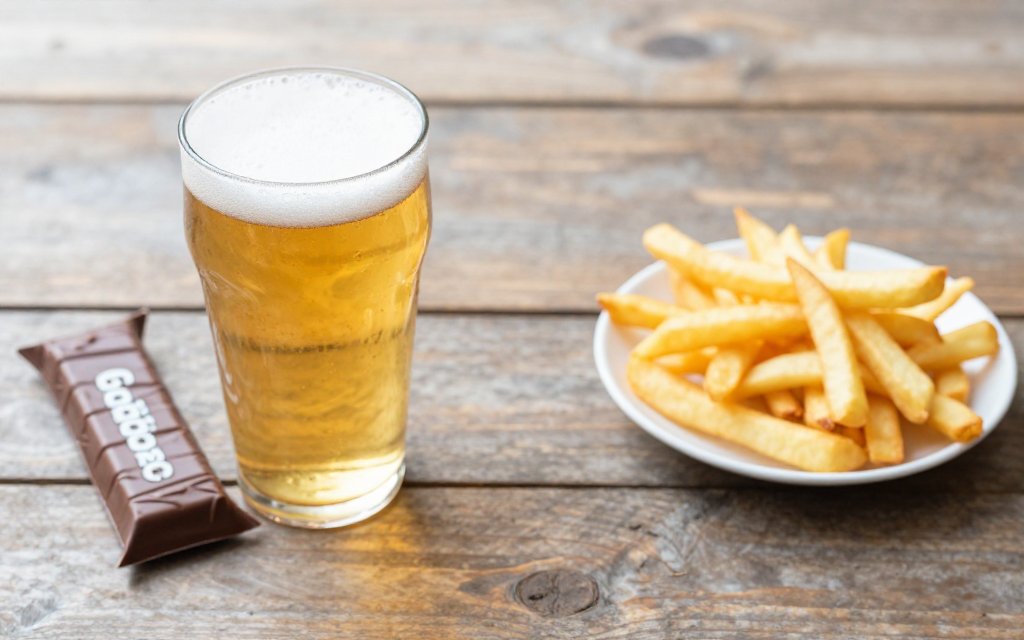
How many calories in beer, from light lager to IPA
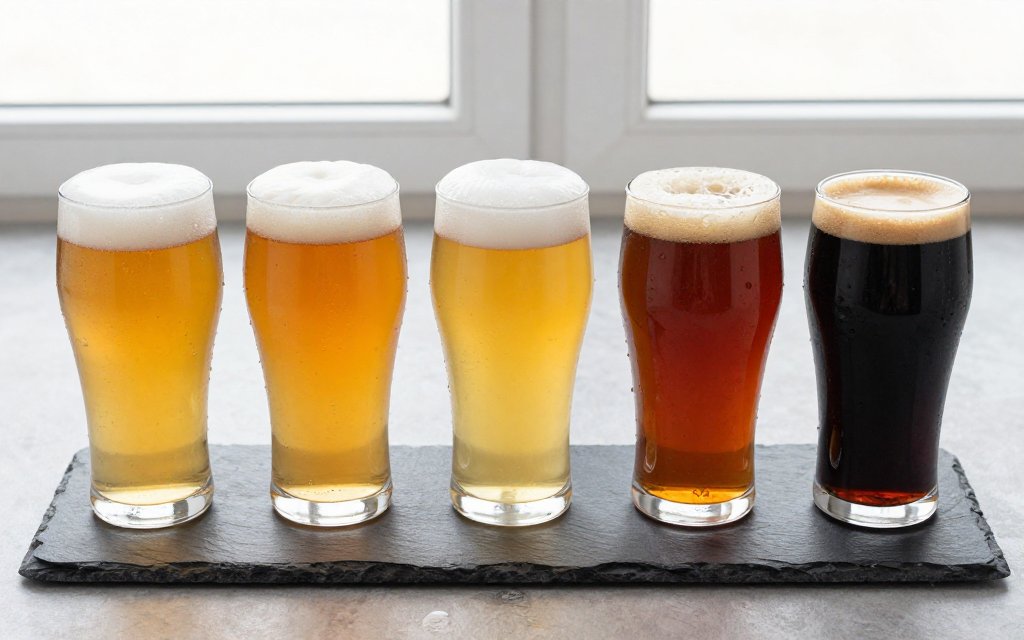
Beer is mostly water, but the calories still add up because you rarely stop at one. A regular 12 oz lager sits around 150 calories, while a light beer drops to about 100. The catch is strength. A hazy double IPA at 8 or 9% can hit 250 to 300 calories a can, so two of those match a fast food burger. The published calorie ranges run from near 60 in an ultra light lager to 300 in a strong IPA.
Serving size matters as much as style. A UK pint is 16 to 20 oz, so a pint of strong beer can reach 222 calories on its own. If you drink by the pint, count it as one and a half of the numbers printed on a 12 oz label.
Calories in wine climb with the glass, not just the bottle
Wine hides its calories in pour size. A polite 125ml glass is about 114 calories, but most bars and home pours run closer to 175 or 250ml. At the large end you are near 228 calories a glass, so a shared bottle over dinner can top 600 calories before dessert.
Sweetness adds a second layer. A dry wine at 12% is lower than a sweet dessert wine at 18%, because both the alcohol and the leftover sugar carry energy. If you want to keep calories in a glass of wine down, dry and lighter styles win. Watch the added sugar too, since it stacks on top of the alcohol.
Calories in vodka and spirits hide in the mixer
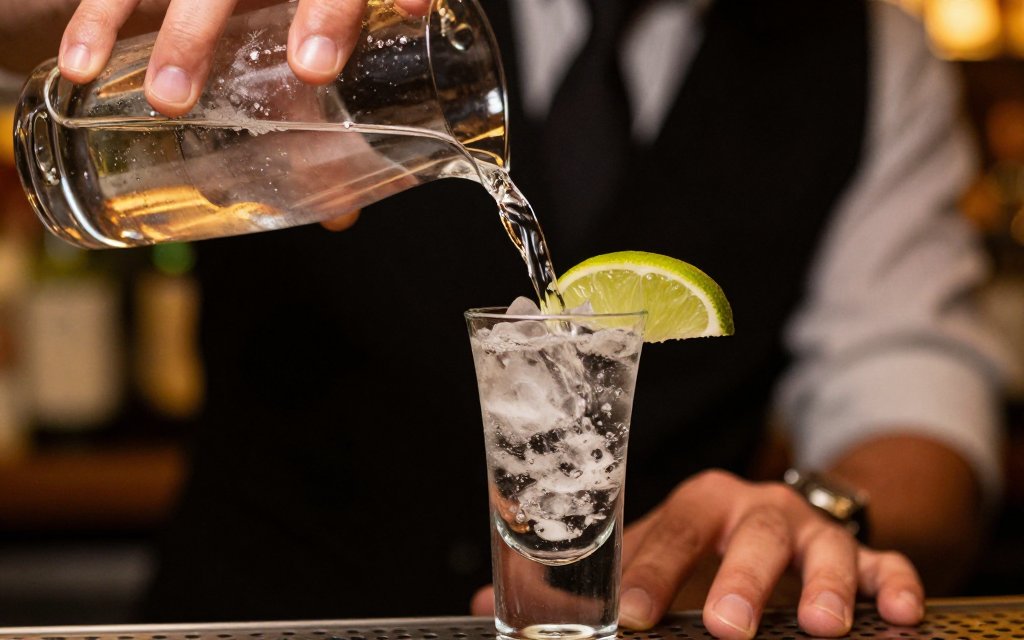
Plain spirits are the surprise. A single 25ml shot of vodka is roughly 55 calories, and a double is close to 100, whether it is vodka, gin, rum, or whiskey. On their own, spirits sit near the bottom of the list. Then the mixer arrives and does the real damage.
A vodka soda holds near 130 calories, but a rum and cola or a sugary energy mixer can double that fast. Diet tonic and soda water are the cheap wins here. The spirit barely changes, so the drink you build around it decides the calorie count.
A shot of vodka is about 55 calories. The soda water adds none, a full sugar cola adds 150, and that single choice quietly decides your whole night.
Low calorie cocktails versus the sugar bombs
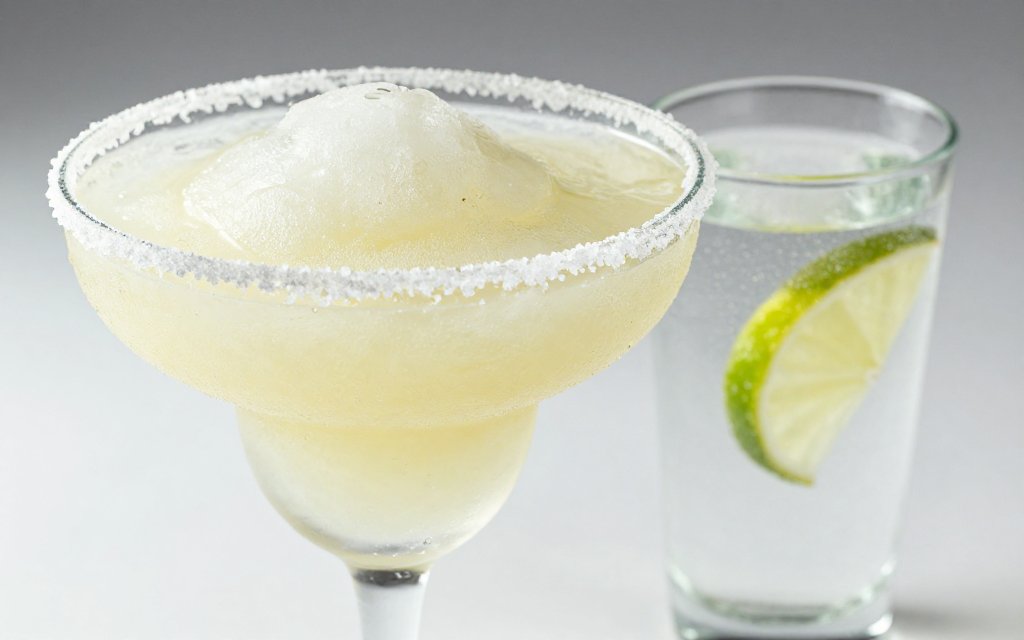
Cocktails split hard into two camps. Low calorie cocktails like a vodka soda, a gin with diet tonic, or a tequila with lime stay under 135 calories. Head the other way and a frozen margarita or a creamy cocktail can pass 300, because the mix is mostly syrup, juice, and cream.
| Cocktail | Serving | Calories |
|---|---|---|
| Vodka soda | 8 oz | 133 kcal |
| Gin, diet tonic | 5 oz | 98 kcal |
| Dry martini | 3 oz | 185 kcal |
| Small margarita | 4 oz | 200 kcal |
| Frozen margarita | large | 300+ kcal |
| Mojito | 8 oz | 250 kcal |
If you are hunting for the alcohol drink with the least calories, a clear spirit with soda water and a citrus wedge is hard to beat. Hard seltzers land near 99 calories and keep the math easy. When people ask about the lowest calorie alcohol, the honest answer is the one with the fewest mixers, poured as a single.
What a weekend of drinking costs your calorie budget
Here is where it hits your goals. Say your daily target is 2,000 calories, tracked against your daily energy burn. A Friday of three pints and a Saturday of four cocktails can add 2,000 to 2,500 calories across two days, a full extra day of eating you never planned for.
Drinks you do not chew still count
The trouble with liquid calories is that they slip past the fullness signals food triggers. You can drink 500 calories of cocktail in ten minutes and feel just as hungry for dinner. That is why drinks are the easiest place to overshoot without noticing, and the easiest place to claw calories back.
The fix is not going dry forever. It is knowing the number before you order and building it into your day, the same way you would budget for a dessert. A quick photo calorie tracker keeps the guesswork out at the bar and folds the drink into your total.
A single heavy night can erase a week of a careful calorie deficit, and it never once felt like eating too much.
Frequently asked questions about alcohol calories
How many calories are in beer?
A standard 12 oz regular beer is about 150 calories, and a light beer is closer to 100. Strength drives the number, so a strong IPA can reach 250 to 300 a can. A full pint of 5% beer runs up to 222 calories.
What is the alcohol drink with the least calories?
A clear spirit with soda water is the leanest choice, near 55 to 100 calories for a single. Hard seltzers and a gin with diet tonic sit close behind at under 100. The lowest calorie alcohol is always the one with the fewest sugary mixers.
How many calories are in a shot of vodka?
A single 25ml shot of vodka is roughly 55 calories, and a US 1.5 oz shot is closer to 97. All 80 proof spirits are about the same. The calories in vodka only climb once you add a sugary mixer or a second pour.
Do liquid calories from alcohol cause weight gain?
They can, because liquid calories do not trigger fullness the way solid food does, so they add to your total instead of replacing part of it. Empty calories from drinks also push your body to burn alcohol first and store fat. Tracked and budgeted, a drink fits fine. Ignored, it stacks up fast.
You do not have to quit drinking to hit your goals, you just have to see the calories before they add up. Snap a photo of your meal or your glass and let the app do the counting, so a night out never becomes a mystery on the scale. Start tracking your nutrition today with free, AI powered food recognition. Get the app here: iOS or Android.
Start Tracking Your Nutrition Today
Download CalMeal for free and take the guesswork out of calorie counting with AI-powered food recognition.