How Much Protein in Greek Yogurt Per Cup?
A cup of plain nonfat Greek yogurt packs about 23 grams of protein for 134 calories. See how much protein in Greek yogurt you get across nonfat, 2 percent, and whole milk, plus how to log it for weight loss.

If you have ever stood in the dairy aisle wondering how much protein in Greek yogurt you really get, the answer is impressive. A single cup of plain nonfat Greek yogurt delivers about 23 grams of protein for roughly 134 calories, one of the best protein-to-calorie ratios you can put in a bowl.
That protein density is why Greek yogurt shows up in almost every weight loss and muscle building plan. This guide breaks down greek yogurt protein, calories, and macros across nonfat, 2 percent, and whole milk versions, using real USDA-based numbers so you can log your bowl with confidence.
How Much Protein in Greek Yogurt Per Cup
One cup of plain nonfat Greek yogurt, about 227 grams, contains roughly 23 grams of protein and 134 calories, based on USDA-backed nutrition database figures. That works out to about 10.2 grams of protein per 100 grams, near the top of the dairy aisle.
Per 100 grams, plain nonfat Greek yogurt runs about 59 calories with 0.4 grams of fat and 3.6 grams of carbs. Because the numbers scale with your scoop, weighing the serving beats eyeballing it, and it is the easiest fix when your greek yogurt 1 cup calories come in higher than the label suggests.
One cup of plain nonfat Greek yogurt gives you about 23 grams of protein for 134 calories, nearly half a day's protein target in a single bowl.
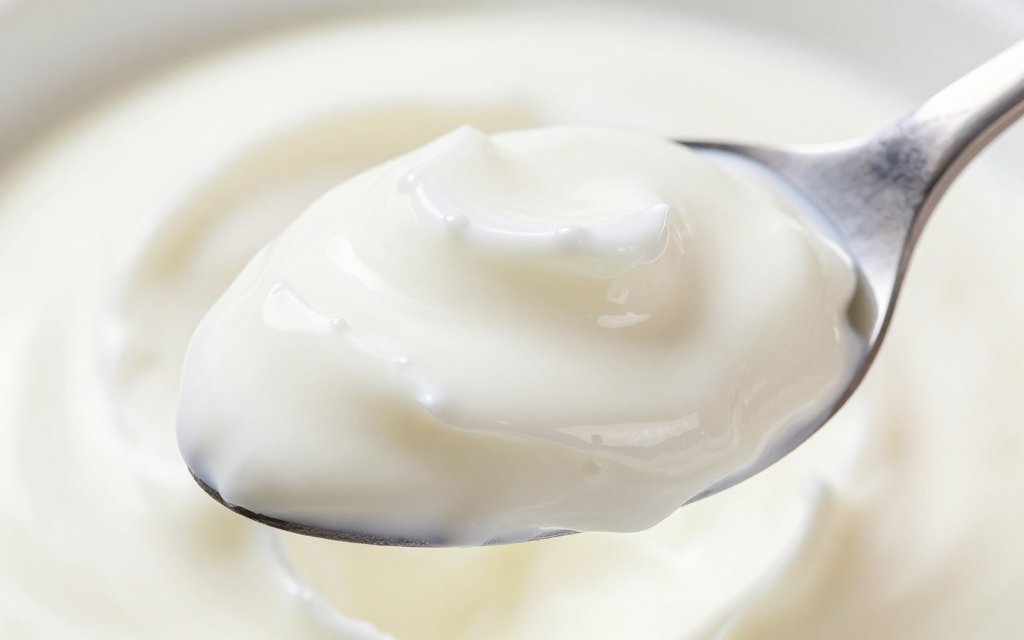
Greek Yogurt Calories by Type: Nonfat, 2%, Whole
The biggest driver of greek yogurt calories is fat, not protein. Protein stays close to 20 to 24 grams per cup whether you choose nonfat, 2 percent, or whole milk, but the calories climb as the fat rises.
Nonfat Greek yogurt calories
Plain nonfat Greek yogurt is the leanest pick at about 134 to 142 calories per cup with 23 to 24 grams of protein and almost no fat. If you want the most protein for the fewest calories, this is the efficiency winner, and the reason plain greek yogurt calories stay so low.
Whole milk Greek yogurt calories
Whole milk Greek yogurt jumps to about 338 calories per cup with 24 grams of fat and around 20 grams of protein. The extra fat adds richness and staying power, so it is a fair pick when you have the calorie room.
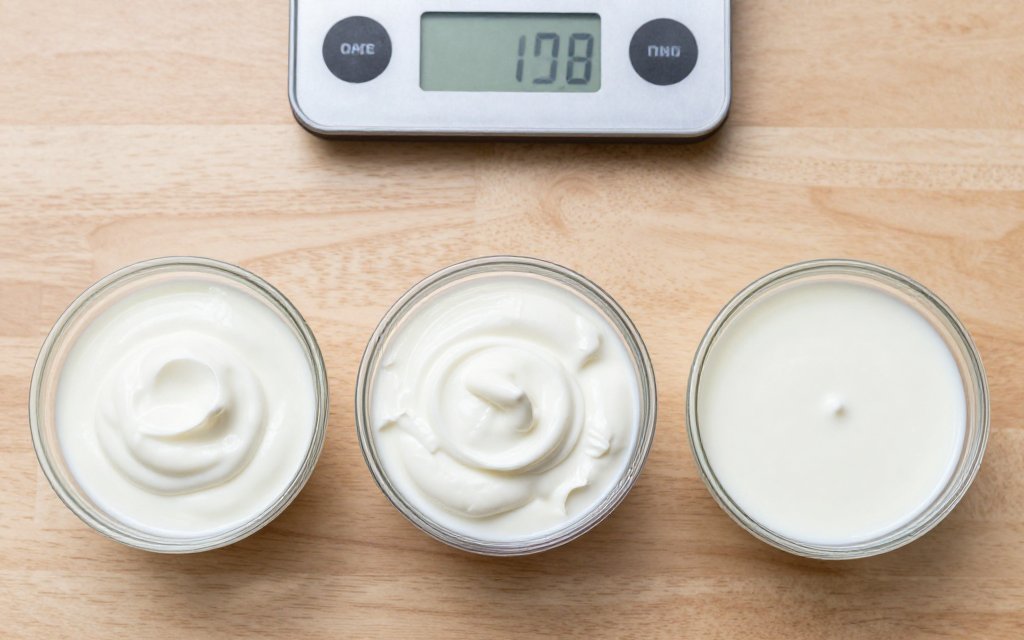
Greek Yogurt Protein vs Regular Yogurt
Greek yogurt earns its high protein greek yogurt reputation through straining. Producers strain out the liquid whey, and it takes roughly three to four cups of milk to make one cup of Greek yogurt, which concentrates the protein and drains off much of the natural sugar. You can see the full nutrition comparison here.
In a 200 gram serving, low-fat Greek yogurt carries about 19.9 grams of protein versus 10.5 grams in regular yogurt, with roughly half the sugar. Regular yogurt keeps more calcium, since straining removes some of it along with the whey.
It takes about three to four cups of milk to make one cup of Greek yogurt, which is why the protein nearly doubles compared with regular yogurt.
| Nutrient | Greek | Regular |
|---|---|---|
| Protein | 19.9 g | 10.5 g |
| Sugar | 7.1 g | 14 g |
| Calories | 146 | 126 |
| Carbs | 7.9 g | 14 g |
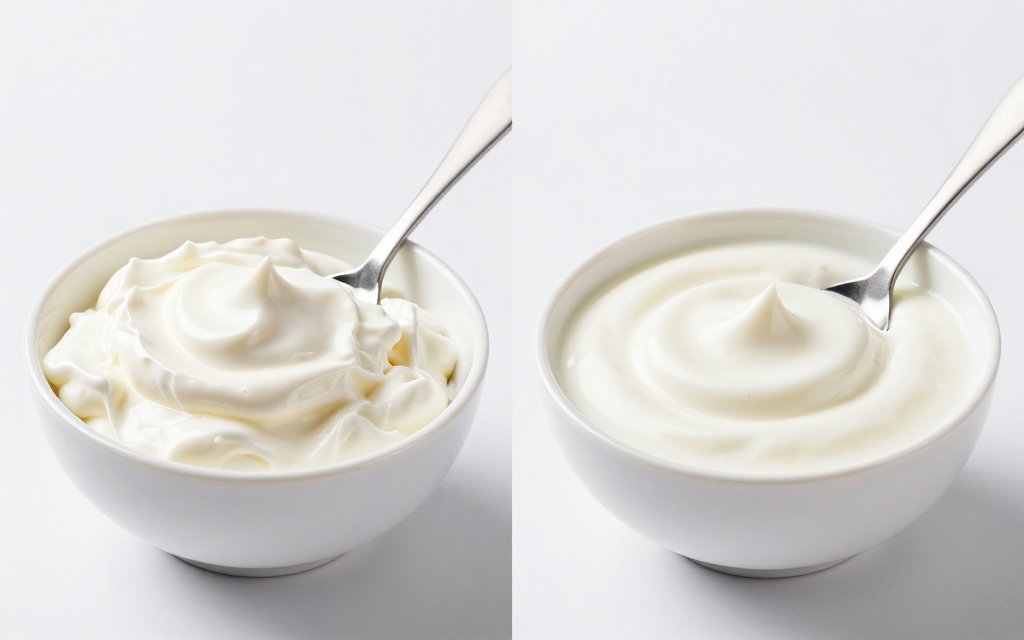
Is Greek Yogurt Good for Weight Loss?
Greek yogurt for weight loss works mainly through protein and satiety. Protein is the most filling macronutrient, and high protein foods help control appetite so you eat fewer calories overall without feeling deprived, an idea covered in our protein density guide.
A cup of nonfat Greek yogurt brings 23 grams of protein for about 134 calories, a strong ratio for a snack or breakfast base. Pair it with berries or oats for a filling meal, and fit it into your day using a maintenance calorie estimate.
Protein is the most filling macronutrient, so a high-protein breakfast like Greek yogurt can quiet cravings for hours.

How to Log Greek Yogurt Macros Accurately
Logging greek yogurt macros is easy once you weigh the serving. Container labels usually list a serving as a fixed weight, often 170 grams, so a heaping bowl can quietly become one and a half servings before you notice.
Snap a photo of your bowl in CalMeal and the app estimates the protein, carbs, and calories, then lets you fix the portion. That clears up the gap between protein in 1 cup of greek yogurt and the smaller label serving. The same trick helps with staples like chicken breast and peanut butter.
Greek Yogurt Nutrition FAQ
How much protein in a cup of Greek yogurt?
A one cup serving of plain nonfat Greek yogurt has about 23 to 24 grams of protein. Whole milk versions dip slightly to around 20 grams because part of the volume is fat, but every plain variety lands in the 20 to 24 gram range. That makes it one of the highest protein snacks per calorie.
Is nonfat or whole milk better for cutting calories?
For the fewest calories, nonfat wins at roughly 134 calories per cup versus 338 for whole milk. Both deliver similar protein, so nonfat gives you more protein per calorie. Choose whole milk when you want a richer texture and have the calorie budget.
Does flavored Greek yogurt raise the calories?
Yes. Fruit-on-the-bottom and flavored cups often add 10 to 15 grams of sugar, which can push a 134 calorie plain cup toward 180 or more. Buy plain and stir in your own fruit to keep plain greek yogurt calories in check.
Greek yogurt is one of the simplest high-protein foods to build a day around, and tracking it takes seconds. Start tracking your nutrition today. Download CalMeal for free and take the guesswork out of counting protein and calories with AI-powered food recognition. Get the app here: iOS or Android.
Start Tracking Your Nutrition Today
Download CalMeal for free and take the guesswork out of calorie counting with AI-powered food recognition.