Maintenance Calorie Calculator: How Many Calories a Day?
Find your maintenance calories, subtract the right deficit, and land on a daily target you can live with. Real ranges from the 2020-2025 Dietary Guidelines, a 3-step formula, and calorie tables by age and activity level.
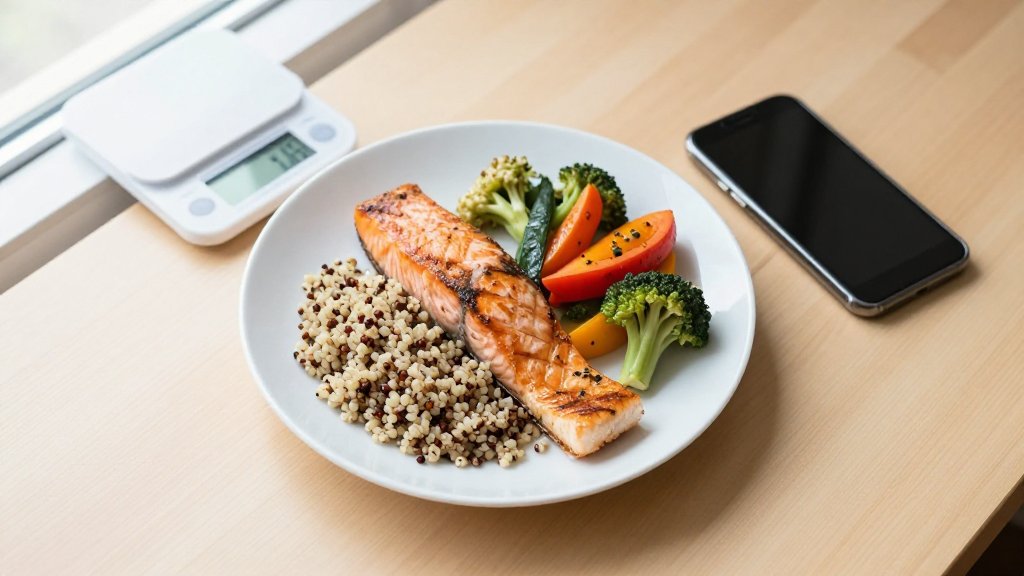
A maintenance calorie calculator answers the one question every diet starts with: how much does your body burn on a normal day? Eat that amount and your weight holds steady. Eat less and the scale moves. Everything else in nutrition builds on that single number.
The problem is that most people guess. They pick 1,500 calories because it sounds diet-like, or copy a friend's target, then wonder why they are starving by Thursday. This guide walks through the real numbers from the 2020-2025 Dietary Guidelines for Americans, shows you the math, and gives you tables you can check your own target against.
What a Maintenance Calorie Calculator Actually Tells You
Your body spends energy three ways: keeping you alive, digesting food, and moving. The first bucket, your basal metabolic rate, is by far the biggest. According to the Cleveland Clinic, BMR accounts for about 60 to 70 percent of your total burn, and most people use 1,300 to 2,000 calories a day before any exercise at all.
Start With Maintenance Calories
Maintenance calories are your full daily burn: BMR plus digestion plus every step and workout. A maintenance calorie calculator estimates this from your sex, age, height, weight, and activity level. If you have been eating roughly the same way for weeks and your weight has not moved, congratulations, you already know your maintenance. That steady intake is the number. Our guide on when maintenance beats more cutting covers why returning to this number periodically helps long diets stick.
Your basal metabolic rate accounts for about 60 to 70 percent of everything you burn. Most people use 1,300 to 2,000 calories a day before a single workout.
How Many Calories Should I Eat a Day?
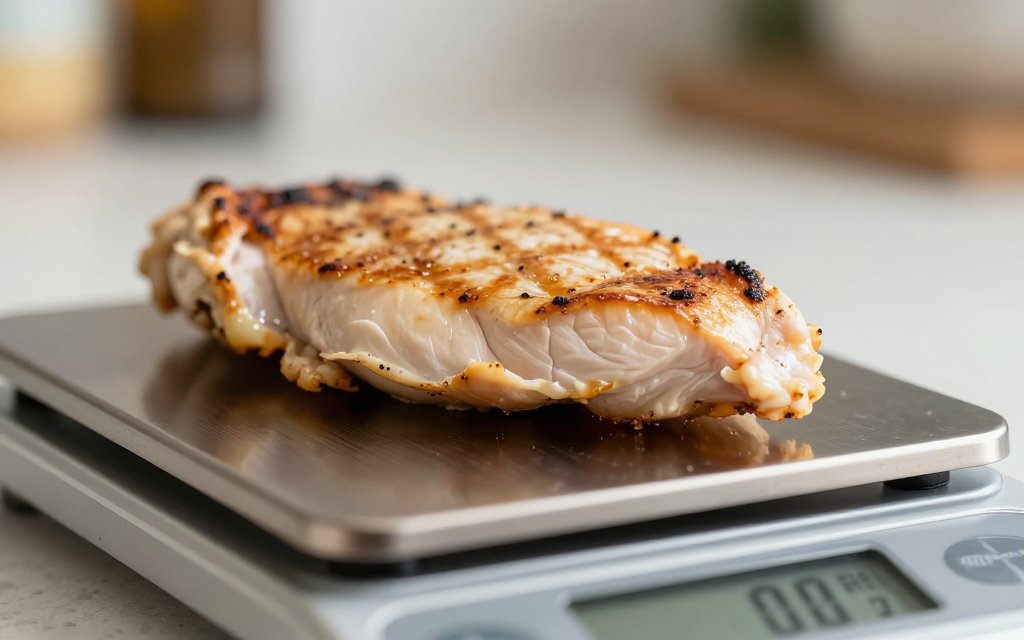
There is no single answer to how many calories should I eat a day, but the Dietary Guidelines give honest ranges. Adult women generally need 1,600 to 2,400 calories daily and adult men need 2,000 to 3,000, with age and activity deciding where you land inside the range. Younger and more active people sit near the top, older and more sedentary people near the bottom.
Those ranges shift with more than age. The Cleveland Clinic lists height, hormones, medications, sleep, and stress as factors that quietly move your burn up or down. Two women of the same age and weight can maintain on totals hundreds of calories apart, which is exactly why a calculator beats copying someone else's plan.
The Calorie Deficit Formula, Step by Step
The calorie deficit formula is short: maintenance calories minus your chosen deficit equals your daily target. The work is in getting the first number right and keeping the second number sane. A calorie deficit calculator chains both steps together, but you can do it on the back of a receipt.
Subtract 500, Not 1,000
A 500 calorie daily deficit produces roughly 1 pound of loss per week, and the CDC calls 1 to 2 pounds weekly the steady, sustainable pace. Doubling the deficit rarely doubles the results. Hunger climbs, workouts suffer, and adherence collapses, usually around week three.
Determine Calorie Deficit Size by Goal
To determine calorie deficit size, work backward from your goal and your patience. With 40 or more pounds to lose, a 500 to 750 calorie deficit is workable because there is more stored energy to draw on. Chasing the last 10 pounds, a gentler 250 to 300 calorie deficit protects muscle and sanity, even though it is slower.
A deficit of 500 calories a day adds up to roughly 3,500 a week, about 1 pound of body weight. Slow is not a flaw, it is the design.

Daily Calorie Targets by Age and Activity
The table below condenses the Dietary Guidelines ranges. Treat it as your reality check: if a calorie deficit calculator hands you a target wildly below your row, question the settings before you question yourself.
| Group | Age | Daily calories |
|---|---|---|
| Women | 19 to 30 | 1,800 to 2,400 |
| Women | 31 to 60 | 1,600 to 2,200 |
| Women | 61 plus | 1,600 to 2,200 |
| Men | 19 to 30 | 2,400 to 3,000 |
| Men | 31 to 60 | 2,200 to 3,000 |
| Men | 61 plus | 2,000 to 2,600 |
Activity level splits each range further. The Cleveland Clinic pegs sedentary adult women at 1,600 to 2,000 maintenance calories and active women at 2,000 to 2,400, with men running about 400 calories higher at each step.

How Many Calories to Lose Weight Safely
So how many calories to lose weight in practice? For roughly 1 pound per week, Healthline's review of the guidelines points most women toward about 1,500 calories a day and most men toward about 2,000. Those are starting points, not prescriptions, and they assume a typical maintenance to begin with.
How many calories should I consume a day while cutting?
Whatever your calculator says, cross-check it against the floor. Consuming under 1,200 calories a day does not provide enough energy or nutrients for most adults, and aggressive restriction can trigger the metabolic slowdown that stalls diets. If your math lands below the floor, shrink the deficit or add movement instead.
Below 1,200 calories a day, most adults simply cannot get enough nutrients. Treat that number as a floor, not a target.
Staying full inside the target matters more than the target itself. Meals built around protein and fiber let you eat satisfying volume on fewer calories. Our satiety index meal planning guide and the protein density rule show how to do it without white-knuckling.
Track It Without the Math
You can calculate calories for maintenance once, but hitting the target every day is the actual job. Photo logging makes that part quick: snap the plate, let AI estimate the portion, adjust if needed. Pair the target with more daily movement, the kind covered in our NEAT guide, and the deficit widens without another gym session.
When to Recalculate
Your answer to how many calories do I need to eat a day changes as you shrink. A smaller body burns less, so rerun the numbers after every 10 pounds lost, after a big change in training, or after two stalled weeks. Recalculating is not failure, it is calibration.

Start tracking your nutrition today. Download CalMeal for free and take the guesswork out of calorie counting: the app estimates your maintenance, sets a safe deficit, and logs meals from a photo so the daily target actually gets hit.
Start Tracking Your Nutrition Today
Download CalMeal for free and take the guesswork out of calorie counting with AI-powered food recognition.