Split the Dish: A Calorie Tracking Playbook
Sharing food does not have to break your calorie or macro goals. This playbook shows simple, repeatable ways to estimate portions from family-style meals, tapas, hot pot, and shared plates, so your logs stay accurate without turning dinner into math class.
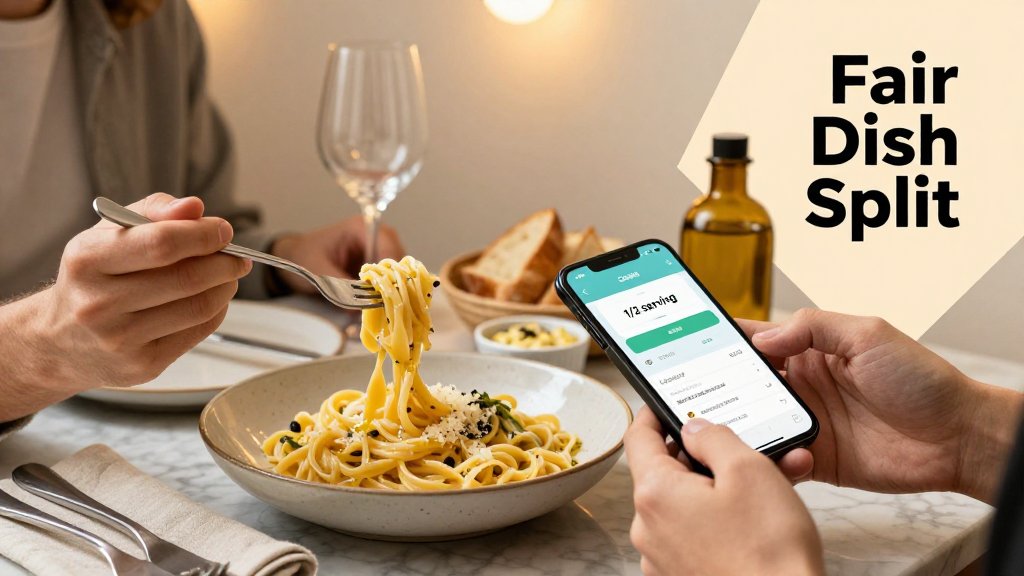
Sharing meals is one of the best parts of eating out or gathering at home, but it can feel impossible to track when everything lands in the middle of the table. Many people either skip logging shared dishes or take a wild guess, then wonder why progress stalls. This playbook gives you simple, practical rules for splitting calories and macros from family-style dinners, tapas, and hot pot. You will learn how to estimate portions fast, what details matter most, and when close enough truly is close enough.
How to track calories when sharing food
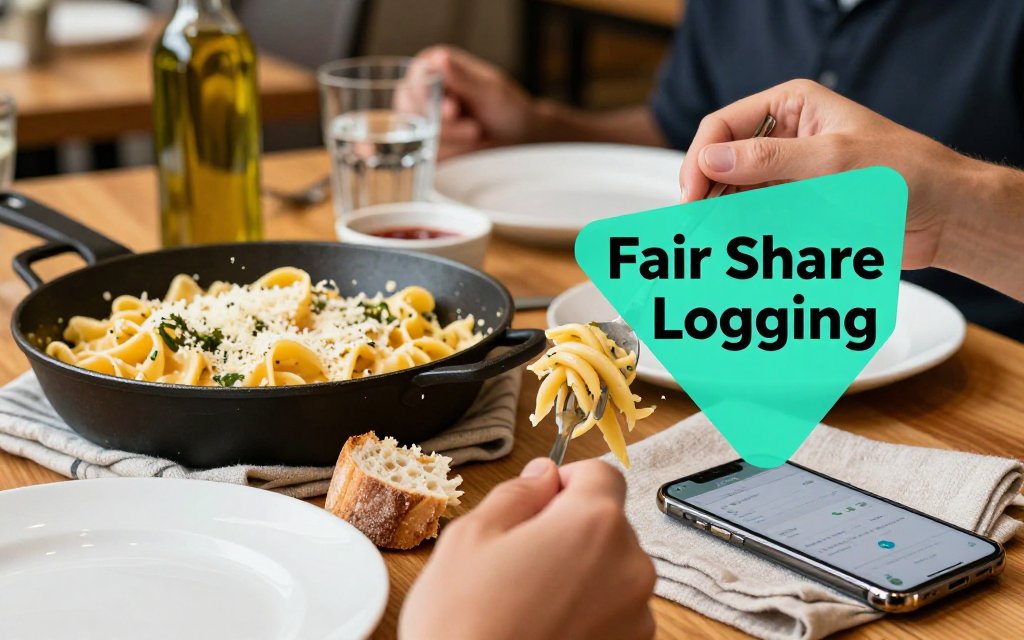
Rule to steal: log the shared meal like a grown-up, not like a lab tech. Your goal is a repeatable method that keeps you honest, not a perfectly audited receipt. When food is “for the table,” the win is choosing a fair split, capturing the big calorie drivers (oil, cheese, bread, dips), and moving on with your night. If you can stay consistently close, your weekly calorie average stays useful, your protein target stays reachable, and you avoid the burnout that makes people quit tracking entirely.
The 80 percent accuracy rule for shared plates
Being consistently close beats being occasionally perfect. Research on diet self-monitoring in weight loss programs repeatedly finds that adherence matters a lot, and that reducing tracking burden can help people track more often. One example is the DIET Mobile trial findings, which discusses prior evidence that accuracy is not as important as frequency and adherence for weight loss. That is exactly why shared plates deserve a “good enough” approach most weeknights. Aim to land within about 10 to 20 percent on calories, and within about 5 to 15 g on protein, and you are doing the job.
Use rough logging for most normal life meals: date night pasta, a family style brunch, work tapas, or a “let’s split everything” situation. Tighten up when the margin matters more: a cut phase where you are chasing visible changes, a long plateau, or any medical nutrition needs where your clinician asked for more precision. The simplest base method is “shares plus anchors.” First, estimate the total dish using a reasonable database entry (or a known recipe). Second, assign your share (half, one-third, two-thirds). Third, add anchors for the easy-to-miss extras: 1 tbsp oil is about 120 calories, a palm of cooked chicken is often roughly 25 to 30 g protein, and a big sprinkle of Parmesan can be 50 to 100 calories fast.
If you logged the shared meal within a reasonable range and you captured the “hidden” calories like oil, dressing, and bread, you did it right. Perfect numbers are optional. Consistent, honest estimates are what move your weekly average.
A couple splitting dinner: a worked example
Picture a realistic order: one shared pasta with olive oil sauce, one grilled chicken add-on, a side salad with dressing, and bread for the table. Start by estimating totals. A big restaurant pasta can easily be 900 calories on its own, especially if the sauce is oil-based. If you want a cleaner breakdown for home-style portions, think: 4 cups cooked pasta (about 800 calories, about 28 g protein), plus 2 tbsp olive oil mixed in (about 240 calories), plus 2 tbsp Parmesan (about 40 to 80 calories, a few grams protein). Call the pasta bowl about 1,100 calories total, with roughly 30 to 35 g protein before adding chicken.
Now assign shares using quick visual anchors. Say Partner A eats about two-thirds of the pasta, Partner B eats about one-third. Log the pasta as 0.67 serving for A and 0.33 serving for B (or two separate custom entries in CalMeal). Calories: A gets about 740 calories from pasta, B gets about 360. Protein: A gets about 20 to 24 g, B gets about 10 to 12 g. Add the grilled chicken: if it is 6 oz cooked total, that can be around 250 to 300 calories and about 50 to 55 g protein. If you split it half and half, each person logs about 125 to 150 calories and about 25 to 28 g protein.
Do not let the “small sides” disappear. A side salad might be only 40 to 80 calories for greens and veggies, but the dressing can be the whole story. Two tbsp of vinaigrette is often around 120 calories, and creamy dressings can be higher. If you split the salad evenly, each person logs about 80 to 120 calories depending on how much dressing you used. Bread is the classic shared-plate trap: two slices of sourdough can be around 160 to 220 calories total, and if there is butter or olive oil for dipping, add another 100 to 240 calories easily. Common mistake: logging the pasta and chicken, then forgetting the bread basket and that “one more dip.”
A practical logging flow is: enter the main dish first, then add a quick “shared extras” pass before you close the app. If the meal was messy to estimate, keep it consistent across weeks by saving it as a meal template (for example, “Shared oil pasta 2/3 + chicken 1/2 + salad 1/2 + bread 1 slice”). Over time, your estimates get sharper without extra effort. Also, consider rotating in simpler shared meals where the math is naturally easier, like batch salads and bowl-style dinners. If you want a high-protein, easy-to-split option that makes macro tracking feel automatic, try dense bean salads macro math. For health concerns or specific medical goals, check with a doctor or registered dietitian before making major dietary changes.
Family-style meals calorie counting with simple splits
Family-style dinners are fun because everyone gets what they want, but they are also where calorie tracking can quietly drift. One extra spoon of rice, a “little” drizzle of sauce, a second handful of nuts, and your log starts to feel like guesswork. The fix is not perfection, it is consistency. Pick a repeatable split method for your household, then create a default portion you use most nights (for example, “I start with 2 taco tortillas and 1 palm of chicken”). Once your default is set, tracking gets easier because you are comparing tonight’s plate to your normal, not reinventing the math every meal.
Pick a split method: equal, plated, or ingredient-based
Use an equal split when everyone eats pretty similarly and the dish is naturally portioned: pizza, a takeout family pack, a rotisserie chicken with sides. You log the total for the whole item, then divide by the number of eaters, and adjust if someone clearly ate more or less. This works best when you keep the “portion size effect” in mind, people reliably eat more when portions are larger, which is exactly what family-style setups encourage. If you want a quick evidence-backed reminder of why defaults matter, skim the Cochrane portion size review and then decide your default before serving seconds. (pmc.ncbi.nlm.nih.gov)
Choose the plated share method when the spread is chaotic (taco bars, appetizer boards, buffet-style leftovers). Rule: only track what lands on your plate, not what is “available.” Start by building a normal first plate, log it, then treat seconds as a separate mini-meal. Practically, that can look like: first plate is 2 tacos (tortillas, protein, cheese), second plate is 1 taco plus chips. Logging in two passes keeps you honest without slowing dinner down. It also reduces arguments at the table because you are not policing the serving bowl, you are simply tracking your own plates.
Use the ingredient-based method for mixed dishes where oils, sauces, and add-ons carry a lot of calories: casseroles, creamy curries, stir-fries, pasta bakes, skillet meals. Quick workflow: log the recipe ingredients once (meat, rice, veggies, sauce, oil), enter total servings (for example, “6 portions”), then serve by portion. The best “gloss check” is oil. If the dish looks shiny, add a correction: 1 teaspoon of oil is about 40 kcal, and 1 tablespoon is about 120 kcal. (USDA-style nutrition listings put olive oil at about 119 kcal per tablespoon, so your 120 kcal shortcut is close enough for real life.) (tools.myfooddata.com)
Table: best logging method by shared dish type
Use the table below as a fast pick. The goal is not to find the one perfect method, it is to pick the method you will repeat on busy nights. Two notes that prevent most friction: kids can still use the same method, just smaller defaults (for example, 1 slice of pizza instead of 2), and couples can log different shares without conflict by agreeing on portions, not policing bites. One person might log 2 slices, the other logs 3. If you rely on photos for these meals, tighten your estimates with better photo logging accuracy tips so toppings and sauces do not disappear from your log.
Handling seconds is where most “family-style math” breaks, so make a house rule you can stick to. Try this: seconds only happen after you log your first plate. Then, if you go back, you log one simple add-on, like “half cup rice” or “one more slice.” Over time you will discover your true default portions, and that is the win. If you have health concerns or a medical condition that affects eating, check in with your clinician before making big nutrition changes. For everyone else, keep it boring and repeatable: same plate, same serving spoon, same first portion, then decide on seconds with intention.
Pick one default portion for shared meals, log it the same way each week, and treat seconds as a separate, smaller add-on. Consistency beats precision, especially when sauces, oils, and toppings are the real calorie drivers.
Hot pot, tapas, and shared plates portion estimation
Hot pot and tapas nights are the best kind of “social eating”, you graze, you chat, and somehow your plate is never really your plate. The calorie tracking trick is to stop chasing perfection and start tracking in repeatable “units”. Think in palms (protein), cupped handfuls (carbs), and thumbs (added fats). Then use a macro-first approach: protect your protein target first, because it is the hardest macro to “accidentally” catch up on later. Once protein is roughly logged, you can backfill carbs (noodles, potatoes, bread) and fats (oils, aioli, sesame sauce) based on how much space they took up in the meal, and how often you went back for more.
Hot pot logging: track the protein units first
In hot pot, the “big win” is logging protein accurately, because everything else is easier to estimate later. Start by counting protein units, not bites. A simple anchor is that a palm-sized portion of cooked meat is roughly 3 oz, which many portion guides also describe as a standard serving size (see this 3-ounce serving visual). If you are aiming for about 30 to 40 g of protein at dinner, two palm units of lean meat or seafood usually gets you close. This is also why protein-first planning tends to feel easier during dieting, protein can meaningfully affect appetite signals (summarized in a protein appetite meta-analysis).
Now turn the chaos into a counting game you can repeat. Watch how you serve yourself and pick a “tool” to track with. If you mostly use tongs, count tong-grabs. If you mostly scoop with a ladle, count ladle-scoops. As a rough conversion, one tong-grab of thin-sliced beef is often around 1 to 1.5 oz once cooked, depending on how tightly you grab and how many slices you snag. Two tong-grabs can be your “one palm” protein unit. For tofu, think in cubes: 6 to 8 small cubes of firm tofu (about 1 inch each) is commonly around 3 to 4 oz, roughly one protein unit. For fish balls, 4 medium pieces can land around 3 to 4 oz total, depending on size and brand.
Once you have your protein units, backfill carbs and fats with the handful framework. Noodles are the usual “stealth carb” because they look light in the broth but add up fast. A cupped handful of cooked noodles is often around 1/2 cup, which is commonly 100 to 120 kcal depending on noodle type. Dumplings and rice cakes are combo foods, carbs plus fat, so treat each one like a mini unit. A typical boiled dumpling can be 60 to 90 kcal, and six of them can quietly become 400 to 500 kcal before you even count sauce. Log it like “hot pot dumplings: 6 pieces” and move on. You can always adjust later if you find the menu’s nutrition info.
The hot pot trap is not the broth, it is what you stir into your dipping bowl. Sesame sauce, peanut sauce, and chili oil are dense, and two generous spoonfuls can swing your meal by 200 to 400 kcal fast. A practical move is to build a “one spoon rule” for high-calorie sauces: start with 1 tablespoon, taste, then add more only if you still need it. If you love the flavor, stretch it with low-calorie boosters like vinegar, soy sauce, garlic, scallions, and a squeeze of citrus. For tracking, log sauce first while your bowl is still clean and you can see how many spoonfuls you used. Then everything you eat afterward feels less mysterious.
In shared, bite-by-bite meals, count what you served yourself, not what you tasted. Lock in protein units first (palms), then estimate carbs by handfuls and fats by spoonfuls. Sauces and drinks deserve a first-pass log.
Tapas and small plates: the “two bites equals one bite” correction
Tapas mess with your brain because each bite feels too small to “count”. The correction is simple: two small tastes from five different plates often equals a full serving of something. Put numbers to it and it gets real fast. One croqueta is often 70 to 110 kcal (mostly from oil and béchamel), 1 oz manchego is about 110 kcal, and one slice of bread can be 80 to 100 kcal before you add aioli. Even patatas bravas can sneak up: 2 to 3 oz of fried potatoes might be 120 to 180 kcal, and the sauce can double that. If you want a low-stress habit, log drinks first, because a beer (150 to 250 kcal) or a couple glasses of wine (120 to 250 kcal each) can be the sneaky add-on that makes the whole night harder to estimate.
A macro-first tapas plan looks like this: grab a clear protein anchor early, then let the rest be “tastes”. If there is grilled shrimp, chicken skewers, octopus, jamón, or seared tuna, claim roughly one palm of it for yourself before the plates turn into a free-for-all. Then choose two to three “carb tastes” you actually want, like a few bites of patatas bravas plus half a slice of bread, instead of nibbling everything automatically. If you are using CalMeal, a quick photo before the first plate gets picked over helps you remember what was there, and you can log later with fewer guesses. The goal is not to win tapas with willpower, it is to set a few anchors (protein, drinks, sauces), then enjoy the rest without losing track of reality.
Split meals macros accurately and avoid common mistakes
The biggest shared-dish tracking mistakes are boring, repeatable, and fixable. Mistake one is splitting only the entree and forgetting the “extras” that quietly drive calories up, like the shared chips and guac, the bread basket, the dumpling app, or the couple bites of cheesecake. Mistake two is logging only the visible ingredients but skipping cooking fat and sauces, even though one tablespoon of oil is about 119 calories, according to USDA FoodData Central. Mistake three is copying your partner’s entry and assuming your macros match, even if you ate more noodles and they ate more meat. The fix is not perfection, it is a consistent system.
Macro accuracy usually breaks down in two places: protein and fats. Protein is easy to undercount in mixed dishes, especially when it is chopped small (stir fries, fried rice, ramen). A simple check is to ask, “How many palm-sized portions of meat did I actually eat?” One palm of cooked chicken or beef is often around 3 to 4 ounces, which lands near 25 to 30 g protein, depending on the cut. Fats are even sneakier because they hitch a ride in “tiny” items like mayo, pesto, creamy dressings, and pan oil. If your weekly progress is stalled, tighten the fat estimates first before you slash carbs or skip dessert entirely.
Your post-meal workflow: log in two passes - Pass 1: log protein and obvious carbs (meat, rice, noodles, bread). Pass 2: add the hidden calorie stuff (oil, butter, dressing, dips, cheese, nuts).
After dinner, keep it simple by logging in two passes in CalMeal. Pass 1 is the “macro backbone” where you capture protein and obvious carbs first. Log the chicken, steak, tofu, eggs, rice, noodles, bread, tortillas, potatoes, or beans, then estimate your share. Example: you split pad thai and each had a similar pile of noodles, so you log half the noodles. You also ate most of the chicken, so you log about 70 percent of the chicken portion. This first pass usually gets you close on protein and carbs, which is what most people care about for muscle, satiety, and training recovery.
Pass 2 is where most “mystery calories” live. Add cooking fat, butter on bread, salad dressing, queso, dips, nuts, grated cheese, and any sweet drink you casually sipped. If the meal was restaurant food and you could not see the oil, add 1 to 2 tablespoons of oil to your share depending on how rich and glossy it tasted (lighter saute, 1 tablespoon; shiny, indulgent, 2 tablespoons). Also sanity check that you logged the shared starter and dessert, not just the main dish. Those items are the classic reason two people “split dinner” but one person accidentally logs 400 calories less.
> If the food was restaurant-style and you cannot see the oil, assume some is there. Add 1 tablespoon to a lighter plate, 2 tablespoons to something rich, and move on.
How do I track calories when we all eat from the same pot or platter?
Start by logging the whole pot as a single dish, then claim your share using simple units you can remember. Count bowls, ladles, tortillas, or “scoops.” Example: a big pot of chili serves 6 bowls, you ate 1.5 bowls, so you log 1.5 out of 6 servings (25 percent). For a platter, use “quarters” or “thirds” and adjust for what you personally targeted (more meat, fewer potatoes). If you are at home, weighing the pot before and after dinner is the fastest way to make this highly accurate without weighing anyone’s plate.
What is the easiest way to split macros with my partner if we eat different amounts?
Split protein first, then split carbs, then split fats last. Protein is easiest to “see” and usually the most important macro to get right. If you ate two thirds of the salmon filet, log two thirds of the salmon, even if you only ate half the rice. For mixed dishes, agree on a quick rule like “I ate 2 palms of meat, you ate 1 palm,” then log those portions separately. In CalMeal, one person can log the full meal once (photo plus ingredients), then the other person can copy it and simply change the portion size until it matches their share.
How inaccurate is too inaccurate for shared dishes portion estimation?
For shared dishes, “close enough” is usually within about 10 to 20 percent for that meal, especially if you are consistent over the week. The danger zone is a repeated daily miss of 150 to 300 calories, which can quietly erase a planned calorie deficit. Bigger meals are also where people tend to underestimate more, which is one reason it helps to be slightly conservative with restaurant oil, dips, and dessert, as highlighted in research on calorie estimation errors like this PubMed-indexed study. If your weight trend is not moving for 2 to 3 weeks, tighten estimates before blaming your metabolism.
Couples and families can share the same dinner and still hit different goals by adjusting only the “dials” that matter. Keep the base meal the same in CalMeal (the same stir fry, tacos, pasta, or curry), then personalize portions: the person cutting can take more lean protein and vegetables, one measured carb serving, and a lighter sauce. The person maintaining or gaining can add another carb serving, extra olive oil, avocado, or cheese, and a dessert portion they actually log. If you both use the same two-pass workflow, you will spend less time negotiating bites and more time enjoying the meal, while still staying honest about calories and macros.
Ready to start tracking without turning every meal into a math problem? Download CalMeal for free and take the guesswork out of calorie counting with AI-powered food recognition. Snap a photo, log faster, and stay consistent even when you are sharing plates. Get CalMeal now on iOS or Android, then put this playbook to work today.
Start Tracking Your Nutrition Today
Download CalMeal for free and take the guesswork out of calorie counting with AI-powered food recognition.