Post Workout Nutrition: What to Log After Training
Not sure what to eat after a workout, or how to log it without blowing your deficit? This guide breaks down post workout macros for strength and cardio, simple meal templates for fat loss, and the exact items to track in your calorie counter, including shakes, electrolytes, and snacks.
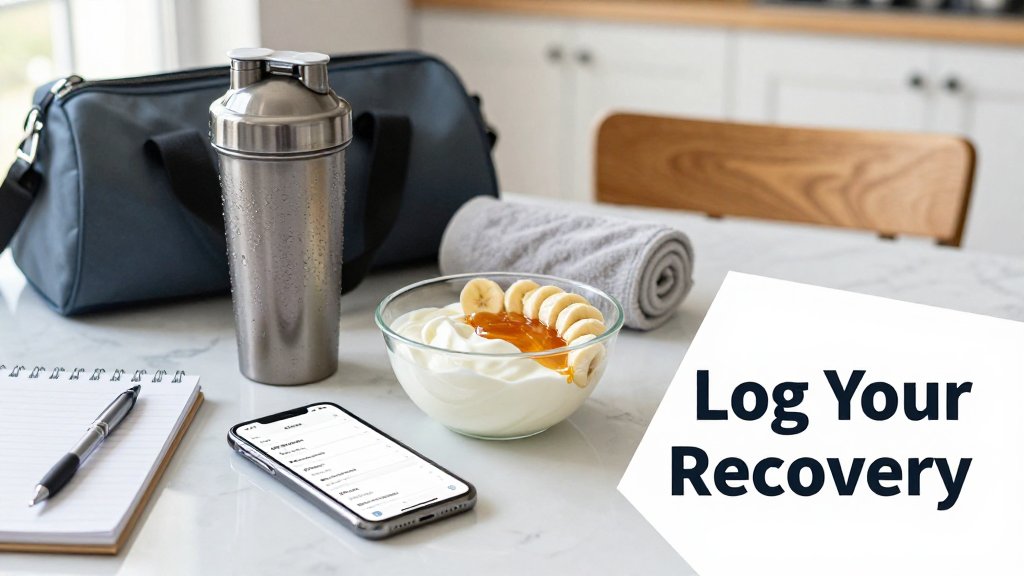
Post-workout nutrition can feel confusing, especially when appetite varies and advice about the “perfect” recovery meal is all over the place. What you log after training matters because it shapes muscle repair, performance in your next session, and how easily you stay on track with fat loss. In this guide, you will learn what to prioritize after lifting versus cardio, how to time protein and carbs without stressing about a narrow window, and how to track your meal cleanly in CalMeal.
What matters most after training for recovery
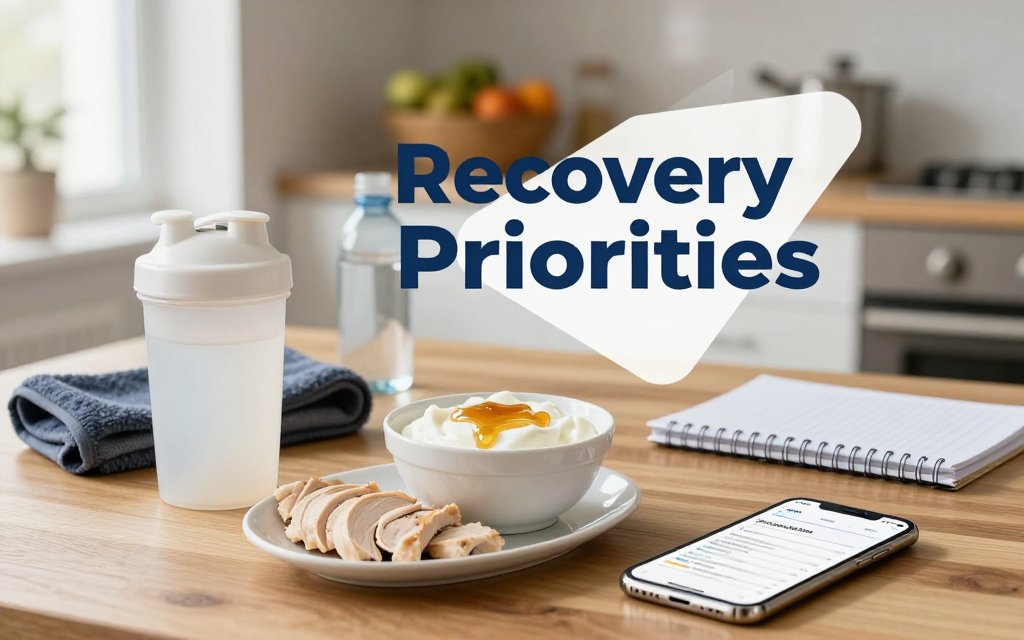
If post workout nutrition feels stressful, reset to four priorities you can actually remember: protein first, carbs based on the session, fats are allowed (just not the main mission), and hydration counts. You do not need to sprint to the kitchen the second you rack the last rep. For most people, hitting your next solid meal within 1 to 2 hours is plenty. The bigger win is consistency across the week, especially if you are using CalMeal to keep calories and macros honest. Also, you do not “need” a shake. Shakes are convenient, not magical. Whole foods work just as well, and often keep you full longer, which is a quiet advantage when fat loss is the goal.
Protein after workout: the one thing to hit
Your quotable rule: aim for 25 to 40 g of protein within about 1 to 2 hours after training (or at your next meal if that is sooner). If you prefer a body weight backup target, use about 0.3 g protein per kg body weight per meal (a 70 kg person targets about 21 g, an 90 kg person targets about 27 g). This lines up with the protein dose range discussed in the ISSN nutrient timing stand. Practically, this is less about a “window” and more about giving your muscles the building blocks for repair, then repeating that pattern across the day.
Easy ways to log 25 to 40 g protein without overthinking it: 1 scoop whey mixed with water (often about 120 calories, 24 to 25 g protein), 1 cup nonfat Greek yogurt plus a drizzle of honey (roughly 150 to 200 calories, 20 to 25 g protein), 5 oz cooked chicken breast (about 220 to 260 calories, 40 g protein), 1 cup low fat cottage cheese (about 180 to 220 calories, 24 to 28 g protein), or a tofu stir fry using about 250 g firm tofu (often 300 to 360 calories, around 30 g protein). Protein also helps fat loss indirectly because it improves fullness, making it easier to stick to your calorie target without feeling punished.
Carbs, fats, and timing: the realistic version
Carbs are most helpful after sessions that actually drain you: hard lifting with lots of sets, intervals, sports, or longer higher intensity cardio. They help refill glycogen, support performance in the next session, and can make you feel normal again. After an easy walk, gentle bike ride, or light yoga, carbs are less urgent, so you can keep them lower if your main goal is weight loss. A simple range that fits most people is 20 to 60 g carbs post workout, depending on session size and your calorie budget. Example: a banana plus 2 rice cakes is about 45 g carbs, while a single piece of fruit might be closer to 20 to 30 g.
Fats are not the villain, they just are not the main focus right after training when calories are tight. If you go very high fat, it can crowd out the protein and carbs you meant to prioritize. Think of fats as “fine to include” in small to medium portions: olive oil on a rice and chicken bowl, a few slices of avocado with eggs, or a tablespoon of peanut butter with yogurt. If you are in a calorie deficit, those extras add up quickly. This is also where logging helps, especially if appetite spikes after workouts. If you are taking appetite affecting meds, keep the basics simple and consistent with GLP-1 protein fiber tracking habits.
Hydration is the underrated recovery macro. A practical starting point after most workouts is 16 to 24 oz of water in the next couple hours, more if you trained in heat or you finished dripping. Electrolytes matter when sweat losses are higher: long sessions (often 60 to 90 minutes or more), hot environments, or if you notice salt crust on clothes and stinging eyes from sweat. You do not need a fancy sports drink every time. You can use an electrolyte packet, a lower sugar sports drink, or even water plus a salty snack, and then build your next meal around protein and a reasonable carb portion. That combo is simple, repeatable, and easy to log.
Post workout macros for strength vs cardio days
Here is the practical takeaway you can use immediately: if you lift weights, prioritize protein plus moderate carbs to support muscle repair and your next session; if you do cardio, match carbs to duration and intensity, and do not automatically “eat back” every calorie your watch says you burned. For fat loss, your post workout meal is still a normal, planned meal that fits your daily budget, not a bonus meal. In CalMeal, I like logging post workout food as a simple macro target first (protein, carbs, fat), then picking real foods that hit it without turning into a snack spiral.
| Workout | Fat loss | Maintenance |
|---|---|---|
| Lift | P30 C45 F10 | P30 C70 F15 |
| Leg day | P35 C60 F10 | P35 C90 F15 |
| Zone 2 | P25 C0-20 F10 | P25 C30 F15 |
| Intervals | P30 C40-80 F5 | P30 C80-110 F10 |
| Long run | P30 C60-100 F5 | P30 C100-140 F10 |
Use the table as a starting point, not a rulebook. “Lift” can mean a typical 45 to 75 minute session with a few big movements and accessories. “Leg day” assumes higher total reps, heavier compounds, or a session that leaves you noticeably depleted. For maintenance, carbs can be higher because you have more total calories to work with, and performance is often the priority. For fat loss, protein stays high while carbs are “enough to recover,” not “as much as possible.” If you have diabetes, kidney disease, or any medical condition that changes nutrition needs, check with your doctor or dietitian before making major macro changes.
Strength training recovery nutrition: protein plus carbs
For most lifting sessions in a fat loss phase, aim for protein 25-40 g plus carbs 30-60 g, then keep fats modest at 5-15 g if it fits. That combo is easy to log and usually lands around 300-550 calories depending on food choices. Simple examples: rice and chicken (about 4-6 oz chicken breast plus 1 cup cooked rice), a turkey sandwich (4 oz turkey on two slices of bread) plus fruit, protein oats (Greek yogurt or whey mixed into oats), or a tofu stir fry with a side of jasmine rice. If you are training early and eating a full meal soon after, you do not need a separate shake unless it helps you hit totals.
Push toward the higher end of carbs (closer to 60 g) on higher volume leg days, two-a-days, or weeks where you are adding sets and reps. If you want a simple “CalMeal logging move,” pre-log your protein first (for example, 35 g), then add carbs until you reach your planned range, and finally decide whether fats fit your day. This is also where food volume matters. If you are hungry after lifting but still cutting, build the plate around lean protein, fruit, potatoes, and veggies, then use energy density hacks for fat loss to stay full without blowing your calorie target.
Cardio recovery meal: when carbs are optional
Easy Zone 2 cardio is the place where carbs are often optional. If it was a 20 to 45 minute conversational pace session and you are eating a normal meal within a couple of hours, a protein-focused snack can be plenty: 20-35 g protein with minimal carbs, roughly 0-0.5 g/kg carbs if you want a number. Examples: a ready-to-drink protein shake plus a banana if you feel better with some carbs, nonfat Greek yogurt with berries, or cottage cheese with pineapple. You still log it, but you are not forced into a big carb refill if the workout did not actually drain you.
Intervals, tempo runs, long runs, and hard cycling sessions are different because they can meaningfully dent glycogen and increase the odds you feel flat later. A practical post-cardio target is 0.5-1.0 g/kg carbs paired with 20-35 g protein. For a 70 kg (154 lb) person, that is about 35-70 g carbs. That can be as simple as a bagel plus a protein shake, a bowl of cereal plus Greek yogurt, chocolate milk plus a turkey wrap, or sushi with edamame. If you will train again within 24 hours, leaning toward the higher end can help consistency, especially if your next session is another hard one.
The common mistake with cardio is using it as an excuse to double your post workout calories. Part of the problem is that “calories burned” numbers can be noisy. A review on wearable calorie estimate accuracy summarizes evidence that consumer wearables often have insufficient validity for energy expenditure, which helps explain why eating back the full number can stall fat loss. A better approach is to fuel based on the session type (easy versus hard), then adjust weekly based on body weight trend, hunger, and training performance. If you feel unusually fatigued, dizzy, or unwell after training, talk with a clinician.
> Plan your post workout meal before you start training. Hit a clear protein target, then add carbs only to match what you did today and what you will do tomorrow. Your results follow the weekly average.
How to log shakes, snacks, and electrolytes correctly
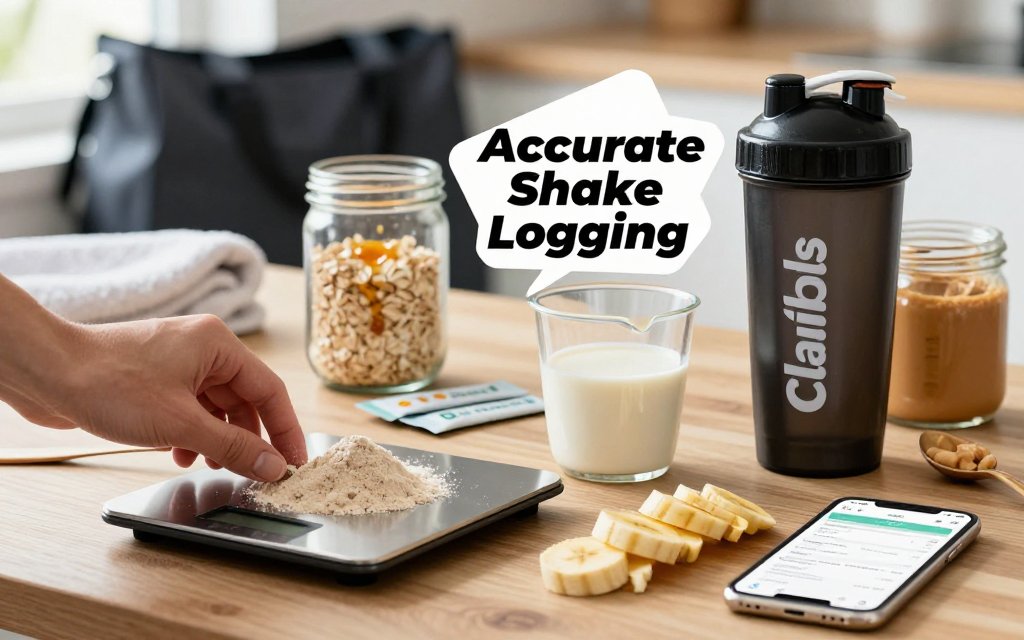
Your post workout log is where “small” choices can quietly erase a calorie deficit. Shakes, snack packs, and sports drinks feel light because they go down fast, but they are often the easiest items to underlog (or overlog with generic entries). The goal is not perfection, it is consistency and repeatable accuracy. A good rule is this: if you blended it, poured it, or grabbed it from a counter at a gym cafe, treat it like a recipe, not a single food. That approach also keeps your protein and carb totals honest, so you do not spend the rest of the day wondering why your numbers feel off.
Protein shake logging: count the add-ons, not just protein
Start by logging the protein powder by grams, not “1 scoop.” Scoops vary by brand and even flavor, and “1 scoop” entries in databases can be off by 10 to 20 grams. If the label says 32 g per serving, weigh 32 g. Next log your liquid base as its own item: water is 0 calories, but 8 oz of 2% milk is about 120 calories, and many oat milks are 90 to 130 calories per cup depending on the brand and whether it is sweetened. Then add the extras one by one: banana (about 105 calories medium), nut butter (about 95 calories per tablespoon), oats (log dry grams, like 20 to 40 g, then cook), honey (about 20 calories per teaspoon). Collagen counts as protein calories, but creatine is typically 0 calories, so log it only if you like tracking supplements for habit consistency.
The most common shake logging errors are (1) picking a generic “protein shake” entry, (2) forgetting the milk, and (3) missing calorie dense add-ins because they feel like “health foods.” Here is how a “healthy post workout shake” can quietly become 600 calories: you log whey protein at 120. In the blender goes 8 oz 2% milk (120), one banana (105), 1 tablespoon peanut butter (95), 20 g dry oats (about 75), and 2 teaspoons honey (about 40). You are already around 555. Add a small handful of granola for crunch (60), and you are at roughly 615 without trying. Nothing about that is “bad,” but if your goal is fat loss, you want to choose that on purpose, not accidentally. The fix is simple: log each ingredient, then save the exact combo as a custom recipe so next time it is one tap.
Shakes are not the only trap. Post workout “snacks” can be stealthy too: trail mix, protein bars, cafe bowls, and pre-made smoothies are easy to misread. For packaged foods, scan the barcode when you can, then double check the serving size matches what you ate (one bar vs two bars, one pouch vs the whole bag). For bowls and restaurant plates, avoid logging a random “chicken rice bowl” entry unless it is from that exact restaurant. Instead, break it into parts: cooked rice (weigh the cooked grams if possible), cooked chicken, sauce, cheese, and extras like avocado. Cooked vs raw matters most for foods that absorb water. Oats are the classic example: 40 g dry oats is not the same as “1 cup cooked oatmeal,” and the calorie difference can be big depending on how much water was used. If you meal prep, weighing the dry ingredient first is the cleanest way to keep your log consistent week to week.
If your shake came from a blender, assume there are hidden calories. Log every ingredient separately, in grams, then save it as a custom recipe. Accuracy here can swing your day by 200-400 calories.
Electrolytes after workout: what to track and why
Electrolytes are where people accidentally overlog (counting “hydration” as food) or underlog (ignoring a sugary sports drink). A simple rule works: if it has calories, log it. If it is truly zero-calorie, calories are not the point, focus on sodium and fluids for performance. Many electrolyte powders and tablets are flavored and close to zero calories, but some sports drinks and “hydration” mixes contain meaningful sugar and calories. Harvard’s sports drink overview notes that sports drinks often contain carbohydrate in the form of sugar, although some versions are sugar-free. In real life, this means: a bottle of regular sports drink can be a snack, coconut water can add 45 to 70 calories per cup, and an electrolyte tablet dropped into water may be effectively calorie free. Check the label once, then log the exact product you actually use.
For fat loss, electrolytes do not “burn fat,” they just change how well you hydrate and how you feel during training. What matters for the scale is calories, but what matters for training quality is often fluid and sodium, especially after very sweaty workouts, hot weather, long cardio sessions, or if you eat lower-carb and notice more fluid shifts. If you are using a zero-calorie electrolyte mix, you can skip calorie logging and optionally track sodium and water intake for consistency. If you drink a calorie containing sports drink, log it like any other carb source. The American College of Sports Medicine notes that for exercise lasting less than about 1 hour, water is generally fine, and that full rehydration after a fluid deficit cannot happen without replacing electrolytes, mainly sodium, via food or beverages. (nutritionsource.hsph.harvard.edu)
A practical “today” setup that keeps you accurate without overthinking: (1) pick your default shake and build it once as a recipe with weighed ingredients, (2) create two saved liquid bases in your tracker, like “water shake” and “milk shake,” so you do not forget the difference, and (3) treat sports drinks like any other packaged food, scan, confirm servings, then log. For restaurant bowls, do not chase perfection, chase repeatable estimates: always log rice as cooked, always log sauces separately, and if you add avocado or cheese, log it every time. Consistent logging beats a perfect log you only do once, and it gives you clean feedback when you adjust portions to hit your calorie target.
Simple post workout meal ideas for fat loss
You do not need a perfect “fat loss meal” after training. You need something you can repeat, log fast, and hit a protein target that supports recovery while your daily calories stay in a deficit. The easiest approach is to pick a small set of meal templates with consistent portions. That way, your post-workout log is mostly copy, paste, and small tweaks (extra rice on heavy leg day, less sauce on a rest day). Aim for meals that feel satisfying, keep protein high, and include some carbs when your workout was tough or long, since that tends to make sticking to your plan easier.
Meal templates you can repeat without thinking
Here is a simple rule you can use on busy days: pick a template that lands around 25 to 45 g protein, add carbs based on the session (more for strength or intervals, less for an easy walk), and keep fats moderate so calories do not creep up. Many sports nutrition guidelines point to roughly 0.25 to 0.3 g protein per kg per meal as a useful per-meal target for active people, which supports a “protein anchor” approach for body composition. That general idea lines up with the ACSM guidance on per-meal protein discussed in performance nutrition recommendations.
To make these templates even easier to log, build a “default” version you can scale up or down. Example: your default bowl is 5 oz cooked chicken, 150 g cooked potato, and 2 cups broccoli. On a strength day, you can add another 100 g potato and log it as a second line item. On a cardio day, keep the potato portion and add more veg instead. Convenience foods work great here: rotisserie chicken (skin removed), steam-in-bag veggies, microwave rice cups, canned tuna, and pre-washed salad kits. The goal is less decision fatigue, not gourmet cooking.
If you are trying to stay in a calorie deficit, the biggest “silent calorie” culprits post-workout are sauces, cooking oils, cheese, and snacky extras (like a handful of nuts while you wait for dinner). Keep protein high, then cut calories by swapping condiments: choose mustard, salsa, pico de gallo, light ranch, or a measured tablespoon of BBQ instead of free-pouring creamy sauces. Also try “volume upgrades” that barely change calories: extra cucumbers, shredded cabbage, mushrooms, zucchini, cauliflower rice, and a second bag of frozen vegetables. You will feel like you ate more, while your log stays predictable.
Research reviews often suggest a practical post-training protein dose of about 0.25 g per kg body weight (roughly 20 to 40 g for many adults), spaced across meals, per the ISSN protein and exercise position stand.
FAQ: post workout nutrition and tracking
These three questions come up constantly because they are where fat loss and recovery can feel like they conflict. The reality is you can support both by using a simple calorie target and a consistent protein anchor, then letting carbs flex based on training. For strength sessions, you will usually feel and perform better with a bit more carbs in the meal you log after. For easy cardio or step goals, you can keep the same protein and slightly reduce carbs or fats. If you have any medical conditions, are pregnant, or have a history of disordered eating, check with a qualified clinician before changing calories or macro targets.
How many calories should you eat after a workout for fat loss?
A useful starting range is 200 to 500 calories, built around 25 to 40 g protein, then adjust based on your daily budget. If your daily target is 1,800 calories, a 300 to 400 calorie post-workout meal is often easy to fit. On strength days, aim closer to the high end (example: 400 calories with chicken, rice, veg). On easy cardio days, you can stay lighter (example: 250 calories with Greek yogurt and fruit). The best number is the one that keeps your weekly average in a deficit.
What is the best time to eat protein after a workout?
For most people, eating protein within about 1 to 2 hours after training is a practical habit, not a panic timer. If you ate a protein-containing meal 1 to 3 hours before lifting, the “rush” to slam a shake right after is lower. Focus on total protein for the day, then distribute it across 3 to 5 eating moments. Example strength day: 30 g at breakfast, 35 g at lunch, 30 to 40 g after training, then 30 g at dinner. Example cardio day: keep the same protein, reduce carbs if needed.
How do I track post workout meals if I eat out or grab a smoothie?
Start by logging the “anchors” you can estimate well: the main protein, the carb base, and any obvious fats. If it is a chain restaurant, use their nutrition info in the app, then add extras like cheese or sauces if you used them. For smoothies, ask what goes in it (milk type, protein scoops, nut butter, sweeteners). A 16 oz smoothie can swing from 250 to 800 calories depending on add-ins. If you cannot confirm ingredients, log a conservative midpoint and add a note, then tighten the estimate next time by ordering a standard build.
Ready to stop guessing and start making post-workout meals work for your goals? Download CalMeal for free and track your nutrition today with AI-powered food recognition that makes calorie counting fast and simple. Log your next recovery meal in seconds, then stay consistent week after week. Get CalMeal on iOS or Android and take the guesswork out of what to eat after training.
Start Tracking Your Nutrition Today
Download CalMeal for free and take the guesswork out of calorie counting with AI-powered food recognition.