Protein Soda Calories: Track Functional Drinks Without Guessing
Protein sodas and functional drinks can look “diet-friendly” but calories, fiber math, and sneaky add-ins add up fast. This guide breaks down what to look for on labels, how Poppi and Olipop typically compare, and the easiest way to log sparkling protein drink macros accurately so you stay in a deficit.
Protein soda can feel like the perfect cutting hack, since it is fizzy, sweet, and branded as functional. Still, the calorie gap between cans can be huge, and small add-ins like creamers, syrups, or a quick splash of juice can quietly change your macros. In this guide, you will learn how to read functional beverage labels, compare popular prebiotic and protein-forward sodas, and spot the ingredients that move calories up fast. You will also get a simple method to log everything accurately.
What counts as a protein or functional soda
You grab two fizzy cans that look equally “healthy”: both are brightly branded, both say something like “functional,” and both feel like an easy swap for regular soda. But one can might be a protein soda with 15 to 20 g protein and roughly 70 to 90 calories, while the other is closer to flavored sparkling water at 0 to 15 calories and basically no macros. If you are trying to hold a 300 calorie daily deficit, that difference can quietly decide whether your weigh-in trends down or stalls. The good news is you do not need to guess. You just need a clear definition, a quick label scan, and a consistent rule for logging.
“Functional beverage” is the big umbrella term. It usually means a drink that promises an extra benefit beyond taste, such as added protein, added fiber, caffeine, electrolytes, botanicals, or vitamins. The calorie counting problem is that the “function” often comes from ingredients that are easy to miscount. Fiber claims can confuse people into subtracting calories that still matter. Sugar alcohols can sweeten with fewer calories than sugar, but not always zero. Some cans list nutrition for a smaller serving than the whole container. And brands change formulas, sometimes without changing the vibe of the packaging, which means last month’s entry in your tracker might be wrong today.
Protein soda vs prebiotic soda vs energy drink - Give a clean, quotable definition for each: protein soda is usually carbonated with added protein (whey, collagen, milk proteins, or plant proteins) and meaningful macros; prebiotic soda focuses on fiber and gut-friendly ingredients; energy drinks focus on caffeine and stimulants. Include the comparison keyword protein soda vs energy drink, and explain why caffeine drinks can still be “low calorie” but affect appetite, sleep, and cravings.
Here are clean definitions you can steal. Protein soda: a carbonated soft drink with a meaningful dose of protein (commonly 15 to 20 g), made with sources like whey, collagen, milk proteins, or plant proteins, and intended to contribute real macros, not just flavor. Prebiotic soda: a carbonated drink that prioritizes added fiber (often from inulin, chicory root, cassava root fiber, or similar) plus low to moderate sweetness. Energy drink: a caffeinated beverage built around stimulation (caffeine, taurine, B vitamins, and similar), where calories can be low, but the “effect” is mostly from stimulants. If you want a quick ingredient-level picture of what brands mean by protein soda, this protein soda ingredients breakdown matches what you will see on many labels.
The keyword comparison that matters for tracking is protein soda vs energy drink. A protein soda is closer to a mini snack because protein impacts fullness and it brings real calories. Many energy drinks are truly low calorie because they lean on non-nutritive sweeteners, but caffeine can still change your day indirectly. If caffeine pushes your sleep later, you may notice more cravings and a bigger appetite the next day, even if the can itself was 10 calories. If you are sensitive to caffeine, pregnant, have heart concerns, or take medications, it is worth checking with your clinician about what is appropriate. For fat loss strategy, decide where these drinks “fit” in your plan, then keep that decision consistent, especially if you are also using tools like a 7 day carb cycling template to manage higher and lower calorie days.
The label traps that make people undercount
Most undercounting happens because the front of the can is doing its job: marketing. “Zero sugar” can still mean calories from fiber, juice, or sugar alcohols. “Prebiotic” can mean 2 g fiber in one brand and 9 g fiber in another, which changes calories and digestion. “Protein” can mean 5 g from collagen in one product and 20 g from a complete protein blend in another. The fastest way to stay accurate is to ignore the badge words and read the Nutrition Facts like a checklist. Start with serving size, then calories, then total carbs, fiber, total sugar, added sugar, sugar alcohols (if listed), and protein. If anything looks “too good,” it usually means you missed a serving size detail or a sweetener source.
Fiber and sugar alcohol math is where people get tripped up, because different carbs can be counted with different calorie factors. In US labeling rules, soluble non-digestible carbohydrates can be calculated at 2 calories per gram, and common sugar alcohols have their own calorie values (for example, xylitol 2.4 calories per gram, maltitol 2.1, sorbitol 2.6, and erythritol 0). Those specific factors are spelled out in FDA sugar alcohol calorie factors. Translation for your tracker: do not assume “net carbs” means “no calories,” and do not assume fiber automatically erases calories. Also, be practical about tolerance. Many functional sodas sit in the 5 to 9 g fiber per can range, and some use sugar alcohol blends, so slamming two or three cans can cause uncomfortable GI symptoms for some people.
Log functional sodas like food first, marketing second. If the can has meaningful protein, fiber, or sugar alcohols, assume it counts toward your day. If it is basically flavored sparkling water, treat it like water.
One more thing that makes “guessing” unreliable: formulas change. A brand can swap sweeteners, adjust fiber blends, or tweak protein sources to improve taste or shelf life, and your old saved entry might not match the can in your hand. Rule of thumb to keep it simple: if the drink has 10 g or more protein or 100 calories or more, log it and treat it as a snack replacement (something you drink instead of a snack, not on top of one). If it is 20 calories or less with 0 g protein and no meaningful carbs, treat it like flavored water and keep moving. That single decision keeps your deficit honest without turning your day into label math.
Protein soda calories and macros: how to compare brands
If you have ever stared at a “better-for-you” can and thought, “Is this basically soda, or is it actually helping my macros?”, you are not alone. The easiest way to compare functional drinks is to judge them in this order: calories first (fat loss is still energy math), then protein (satiety and muscle support), then sugar (helps keep cravings and liquid calories under control), then fiber (a nice bonus if you tolerate it). Start by normalizing to a single can size, since brands bounce between 8 oz, 12 oz, and 16 oz. Two “only 50 calories” cans can be very different if one is a small can and the other is 16 oz.
Quick comparison table for popular functional drink types
Use the table below as your shopping shortcut. These are typical per-can ranges, not a promise that every flavor is identical. A “classic” full-sugar soda is the calorie and sugar benchmark. Prebiotic sodas (like Poppi and Olipop) usually land much lower in sugar and calories, but they are still mostly carbs, not protein. Sparkling protein drinks are the only category that can move the needle on protein, but they vary wildly by formula. Energy drinks are a separate lane because caffeine is the main active ingredient, so you need to watch both calories and how much stimulation you are stacking in a day.
Now plug in real brands. Traditional soda is the easy reference point: a standard 12 oz can of cola is typically about 140 to 150 calories with roughly 39 to 41 g sugar, which can wipe out a big chunk of a calorie deficit fast. Many prebiotic sodas sit roughly in the 25 to 50 calorie range for Poppi, while Olipop is often higher, commonly around 35 calories and up, with more fiber depending on flavor. Some Olipop cans include a noticeable fiber dose, which can be a win for some people and a stomach ache for others. Either way, check the label, formulas and flavors change.
Protein-forward sparkling drinks and “protein sodas” are their own category. If the can is advertising protein, it usually relies on filtered dairy proteins (like whey isolate) or other protein sources that stay clear in carbonation. That is why these products tend to cost more than prebiotic soda, they are solving a harder formulation problem. If you want a deeper explanation of what is inside and why the nutrition label looks the way it does, read this protein soda science guide. For energy drinks, assume protein is basically zero, then look for whether it is “zero sugar” (near-zero calories) or sugar-sweetened (often 100 to 200 calories). Also scan caffeine, many cans land around 80 to 200 mg, and some go higher.
What matters most if you are cutting or tracking macros
If your goal is fat loss, the “best” functional drink is the one that keeps calories predictable while helping you hit protein. A true low-calorie, high-protein drink generally needs 10 g or more protein with under 50 calories, which is uncommon unless the product is explicitly a protein beverage. Quick label math helps: protein has about 4 calories per gram, so 10 g protein already “spends” about 40 calories. That leaves very little room for sugar, fat, or extra carbs if the can claims 50 calories total. If you are consistently missing your deficit, also audit the sneaky add-ons you pour on food, not just beverages, this is where sauce calories that break deficits can quietly ruin an otherwise solid day.
Prebiotic soda fits best as a swap tool, not a protein tool. If it replaces a nightly 300 to 600 calorie dessert habit, a 25 to 80 calorie can can be a practical “bridge” while you build new routines. Just keep expectations realistic: most prebiotic sodas have 0 g protein, so they will not help you reach a protein goal by themselves. A simple move is to pair your “fun” drink with a real protein anchor you already like, for example Greek yogurt, cottage cheese, a protein bar, turkey jerky, or a ready-to-drink protein shake. Log the drink like any other food in CalMeal, then decide if it is a once-a-day treat or an occasional option based on how your weekly averages look.
If the can is under 50 calories, treat it as a flavor tool, not a meal. If you want fullness, chase 10 g protein or more. Fiber is a bonus. Sugar is a budget item.
One counterintuitive trap: some people “save” calories all day with diet soda, prebiotic soda, and zero-sugar energy drinks, then snack more later because they never actually hit protein targets and still feel unsatisfied. Higher-protein approaches are consistently linked with better appetite control in clinical research, which is one reason protein tends to be a higher priority macro when cutting. If you want to nerd out on the mechanisms and the human evidence, this high-protein weight loss review is a solid starting point. Practical fix: drink your functional soda after a protein-based meal, not as a stand-in for one, and set a minimum protein target per meal (many active adults do well around 25 to 35 g).
How to log functional drinks accurately in a calorie tracker
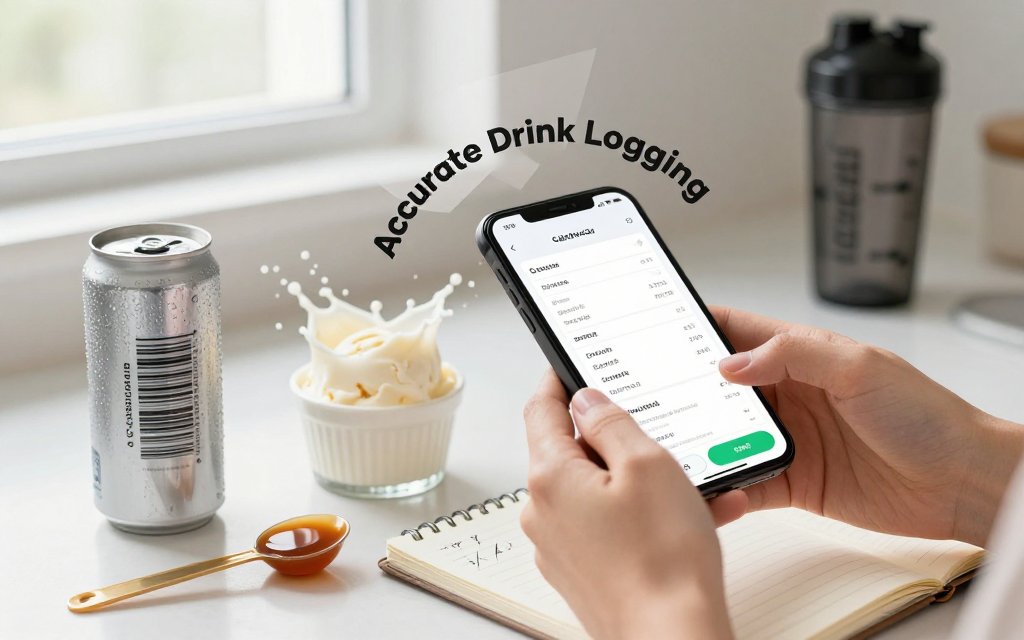
A friend once told me they had a “healthy soda float” after the gym. The base was a protein soda (so far, so good). Then came “just a little” vanilla ice cream, a splash of half-and-half to make it creamy, and a drizzle of caramel syrup. By the time we broke it down, the drink that looked like a light, high-protein treat was closer to 250 calories. Nothing was “bad” about it, but the log was off because the extras were invisible in the moment. The good news is that functional drinks are easy to track accurately once you follow a simple method and treat add-ins like separate ingredients, not vibes.
The 30-second logging checklist that prevents mistakes
Most logging mistakes happen for one reason: the database entry is messy. One listing says the can is 90 calories, another says 140, and both look “official.” If you want to know how to log drinks in calorie tracker apps without the drama, treat the can (or bottle) label as the source of truth, and treat the database as a tool you verify. Your goal is not to find a perfect entry, it is to match what you actually drank: the exact serving size, the exact macros, and the exact calories. Once you do that once, you can save it and never think about it again.
If the scan pulls up multiple entries, pick the one that matches the label exactly (same serving size, same calories, same grams of protein, carbs, and fat). If none match, make a custom food using the label numbers, then name it something you will recognize later like “Brand X Protein Soda, 1 can (12 oz).” This is especially useful for functional drinks that get reformulated, or when a “zero sugar” version and a “regular” version share a similar name. If you track macros day to day, it can also help to review how your app displays macro totals, for example the MyFitnessPal macro tracking walkthrough shows where to find macro breakdowns after you log.
One more quick trick: after you log the drink, look at the calories per gram of protein. If a can says 20 g protein and 90 calories, that sounds plausible for a lean protein-forward beverage. If a database entry claims 20 g protein and 35 calories, that is your sign the entry is wrong (or for a different serving size). Also watch for the “it’s two servings” trap. Logging half of a two-serving bottle by accident can make you think you are “under calories,” then you wonder why progress is slow. This is why custom items are so powerful. You do the detective work once, then you reuse your correct entry forever.
If the database entry looks off, trust the can. Log one can, then do quick macro math. When in doubt, create a custom item and reuse it. Accuracy beats perfection, especially with drinks.
Add-ins that quietly double the calories
The biggest calorie surprise with functional drinks is not the drink, it is what you add to it. A protein soda might be 80 to 140 calories, then you “upgrade” it into a treat without noticing the math. Common culprits add up fast: 1 tablespoon half-and-half is about 20 calories, 1 tablespoon heavy cream is about 50 calories, and 1 tablespoon flavored syrup is often 40 to 60 calories depending on the brand. Even “healthy” add-ins count: 2 oz juice is about 25 to 30 calories, and a scoop of collagen is often 35 to 45 calories. None of these are huge alone, but two or three at a time can turn a light drink into a snack.
The cleanest way to log this is also the easiest to troubleshoot later: log the functional drink first, then log each add-in as its own line item. That way, if your “protein soda” is suddenly 240 calories, you can see why at a glance (2 tablespoons heavy cream plus 1 tablespoon syrup is already roughly 140 to 160 calories on its own). This method also helps with alcohol add-ins. If you turn a protein soda into a cocktail, log the soda, then log the spirit separately so you do not accidentally choose a “mixed drink” database entry with mystery syrup and unknown portions. If you make the same combo often, save it as a recipe so the math is consistent.
A practical habit that keeps you honest is to pick one measuring tool and stick with it for a week: a tablespoon for cream and syrup, a shot glass for alcohol, and a scoop that matches your collagen container’s label. After a few days, you will start recognizing your “usual pour,” which makes quick logging feel automatic. If you are using CalMeal, the win is consistency, because it is much easier to hit your calorie target and protein goal when your drinks are logged the same way every time. Keep it simple: scan, confirm serving size, match the label, then add extras one by one. Your future self will thank you the next time a “healthy float” tries to sneak into your day.
Best functional drinks for weight loss goals
The “best” functional drink is the one you will actually use consistently to stay in a calorie deficit, without upsetting your stomach or messing with your sleep. That is the real win. A drink can be trendy, packed with buzzwords, or “gut-friendly” on the label, but if it triggers cravings, causes bloating, or keeps you up at night, it is not supporting your goal. Think of functional drinks like tools: you pick the right tool for the moment (cravings, afternoon slump, post-workout, snack replacement), then you log it like any other food so your weekly calorie average stays predictable.
Pick a drink based on your goal, not the hype
If you are searching for the best functional drinks for weight loss, use decision rules that match your real problem, not the marketing. Cravings are different from hunger, and low energy is different from low motivation. For cravings, the “best” drink is usually the lowest-calorie option you genuinely enjoy, because it helps you stay consistent. For hunger, prioritize protein and volume, which is why protein soda or a ready-to-drink protein shake usually beats a prebiotic soda. For energy, caffeine timing matters more than “functional” claims. For gut sensitivity, slow and steady wins, because fiber and sugar alcohols can hit hard.
Here are simple, real-world swaps that keep calories under control. If you want a sweet soda vibe after lunch, a prebiotic soda like Poppi is often around 25 calories per 12 oz can (check a listing like Poppi Doc Pop nutrition info), while OLIPOP flavors commonly land around 35 to 45 calories and can include 9 g fiber (see OLIPOP Tropical Punch nutrition facts). If you are truly hungry, that extra fiber can help, but for many people, 15 to 30 g protein works better for appetite control than “prebiotic” positioning. Log the can immediately, then decide if you still want a snack 15 minutes later.
> If a can helps you stick to your plan, it is doing its job. If it leaves you bloated, wired at bedtime, or hungry 20 minutes later, pick a different option.
FAQ: Protein soda calories and functional beverage tracking
A practical tracking mindset is: count calories first, then use “functional” benefits as a bonus. In CalMeal (or any tracker), your goal is to reduce decision fatigue by using repeatable entries. If you drink the same can most days, favorite it and stop rethinking it. If you rotate flavors, create a rule like “I only buy drinks under 50 calories unless it has at least 15 g protein.” That one boundary prevents accidental calorie creep while still giving you options for cravings, workouts, and busy afternoons.
Poppi vs Olipop calories: which is better for weight loss?
For a calorie deficit, Poppi is often the lower-calorie choice, with many flavors around 20 to 25 calories per can, while OLIPOP is often closer to 35 to 45 calories. If cravings are your issue, the lowest-calorie option you enjoy usually wins because you can fit it more easily. If afternoon snacking is your issue, OLIPOP’s higher fiber (often 9 g) may feel more “snack-like” for some people. Either way, pick one, log it consistently, and watch weekly scale and hunger trends, not one-day changes.
Do prebiotic soda calories count the same if it has lots of fiber?
Yes, for tracking, treat them like normal calories and log what the can lists. Fiber can slightly change how many calories your body absorbs compared to sugar, but the Nutrition Facts calories are already calculated using standard rules, and the difference is not something you can accurately “math away” at home. The practical move is to count the calories on the label, then use the fiber as a potential appetite bonus. If you get gassy or bloated, reduce the serving (half a can) and increase slowly, or choose a lower-fiber option.
Is protein soda a good swap for energy drinks or protein shakes?
Protein soda can be a great swap when your real need is protein plus a fizzy “treat” feeling, especially if a creamy shake sounds awful. Many protein sodas land around 60 to 120 calories with roughly 10 to 15 g protein, so they can beat a 150 to 250 calorie ready-to-drink shake if you are budgeting tightly. For energy drinks, check caffeine: some protein sodas are caffeine-free, so they will not replace that boost. If you want both, choose one caffeinated drink earlier in the day and keep the rest caffeine-free to protect sleep.
Ready to stop guessing and start tracking with confidence? Download CalMeal for free and take the guesswork out of calorie counting with AI-powered food recognition. Snap your drink label, log your add-ins, and keep your daily targets on track in seconds. Get CalMeal on iOS or Android, then start tracking your nutrition today.
Start Tracking Your Nutrition Today
Download CalMeal for free and take the guesswork out of calorie counting with AI-powered food recognition.