Cooking hides real calories in olive oil and butter
A tablespoon of olive oil is 120 calories and butter about 100, all of it invisible once dinner is cooked. Here are the real numbers for common oils and fats, plus simple ways to log the calories you pour into every pan.
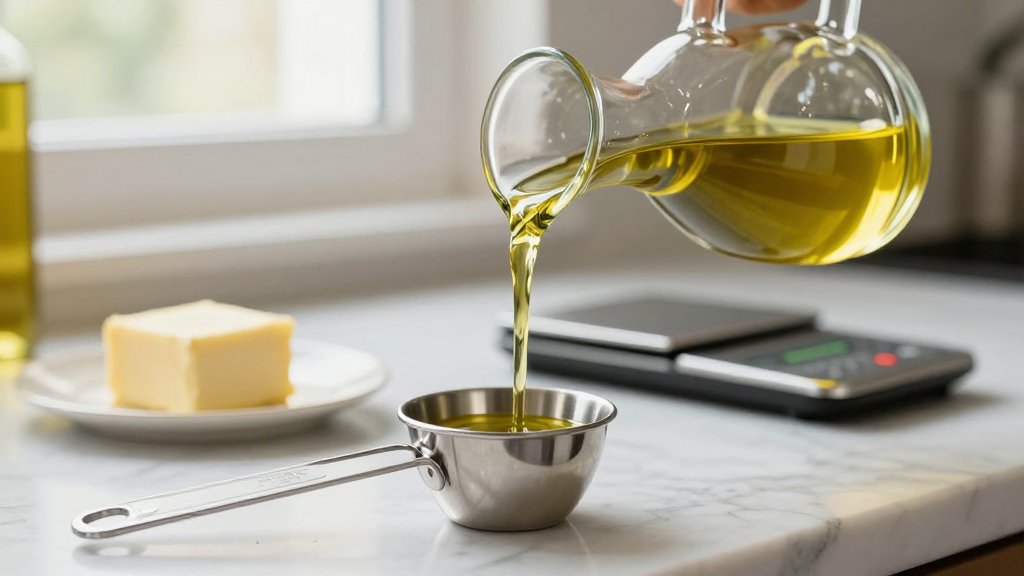
Pour one tablespoon of olive oil into a pan and you've just added 120 calories, about the same as a slice of bread. That's the catch with the calories in olive oil: they turn invisible once the food is cooked, so a photo of your finished dinner rarely shows them.
Oil is pure fat, and fat carries 9 calories per gram, more than protein or carbs at 4. A thin glossy coating on roasted vegetables can quietly outweigh the vegetables themselves. Butter pulls the same trick at roughly 100 calories a tablespoon. Here's how the numbers break down, and how to keep them honest.
Where the calories in olive oil actually come from
Olive oil is 100% fat, which is why the calorie content of olive oil runs so high for such a small amount. One tablespoon holds about 14 grams of fat and roughly 120 calories, according to published olive oil nutrition data. Around 10 of those grams are monounsaturated, 2 are polyunsaturated and 2 are saturated. Nearly all the calories from olive oil come straight from that fat, with no protein, carbs or water to soften the blow.
Fat delivers 9 calories per gram, so a food that is all fat is as calorie-dense as anything on your plate.
A teaspoon still counts
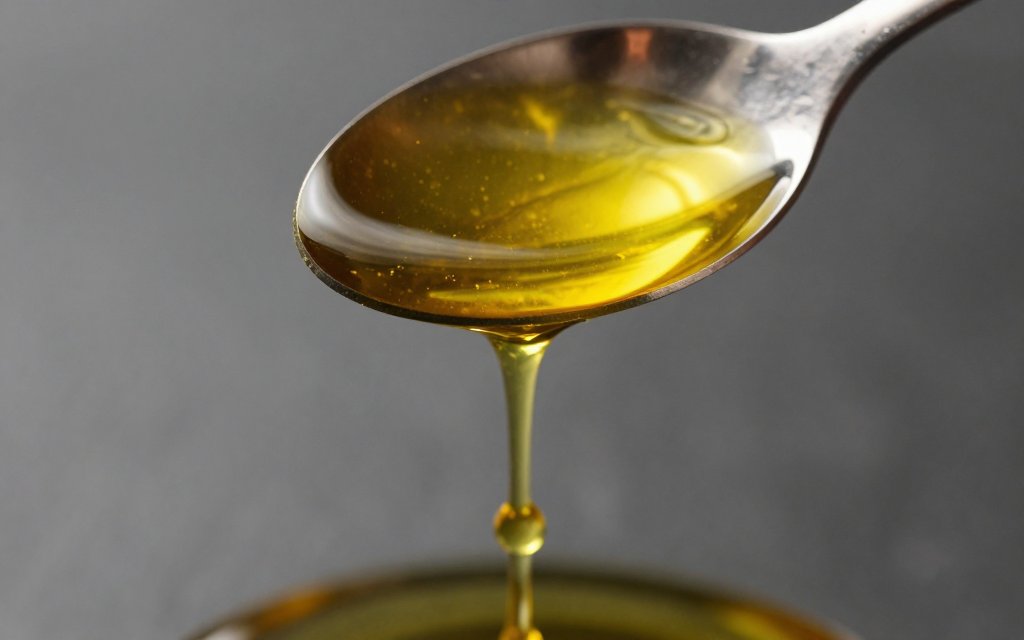
Cut the pour to a teaspoon and you're looking at about 40 calories, a third of a tablespoon. That sounds tiny until you drizzle it three times across a day. Small pours are still calories, and they land in the same daily total as your main meals.
1 tablespoon of olive oil nutrition facts, by the numbers
The 1 tablespoon of olive oil nutrition facts are simple once you line them up. Around 120 calories, 14 grams of fat, zero carbs and zero protein. That single tablespoon is close to 6% of a 2,000 calorie day before you count whatever it's cooking. Read the 1 tablespoon olive oil nutrition line on the bottle and it matches almost every other liquid oil on the shelf.
Notice how tight that range is. Avocado oil calories match olive oil almost exactly at 120 per tablespoon, and coconut and canola land there too. Butter comes in a little lower at 100 because it holds some water and milk solids, not just fat, so it's the one common exception on the shelf.
Butter, ghee and the calories in butter
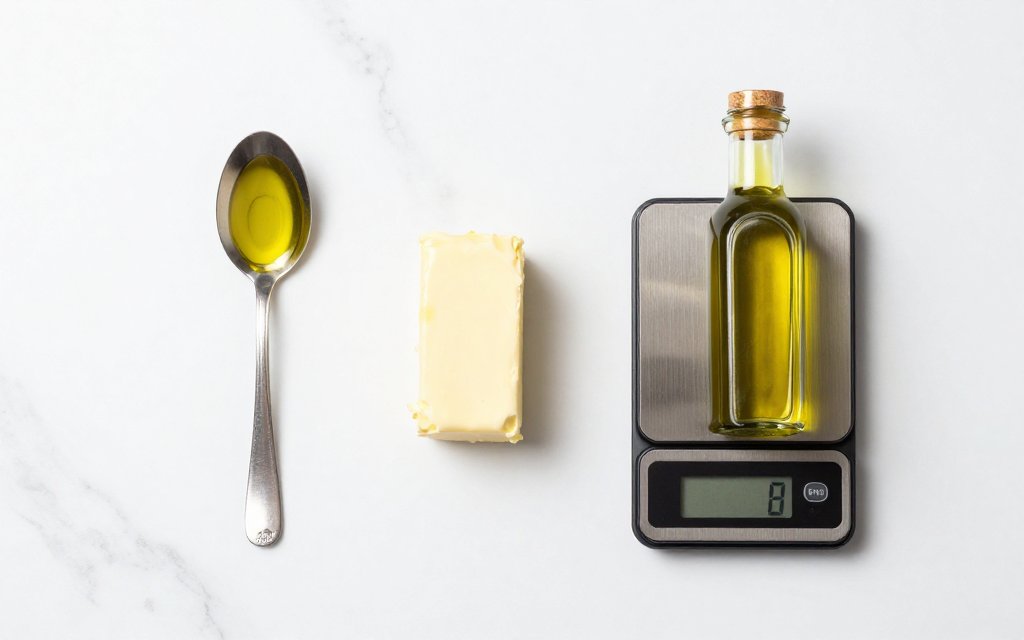
The calories in butter sit at about 100 per tablespoon, with 11 grams of fat. That's a hair below oil, but few people stop at one tablespoon on toast or in a pan. The calorie content of butter climbs quickly when you're basting a steak or finishing a sauce, where two or three tablespoons vanish without a trace.
Ghee, which is butter with the water cooked off, is denser still at roughly 120 calories a tablespoon. Margarine tracks regular butter at about 100. Whatever you spread, the calories in a tablespoon of butter are worth logging before the toast, not after, because a melted layer is impossible to eyeball later. It's the same lesson as one tablespoon of peanut butter versus two: the spoon you choose decides the number.
Two tablespoons of butter in a pan is 200 calories you will never spot in the finished plate.
The frying pan is where oil calories multiply
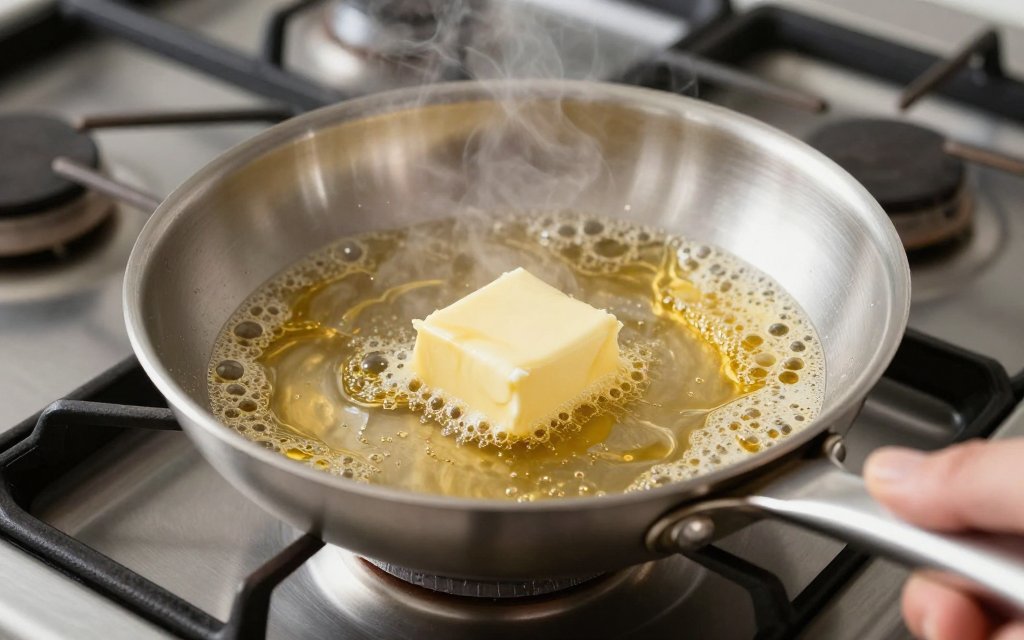
This is where estimates fall apart. A tablespoon or two in a hot pan feels normal, so a plain vegetable stir fry can carry 240 to 360 calories of oil before the vegetables count for anything. The food soaks up some, the rest coats the pan, and none of it shows in a snapshot of the plate.
| Dish | Amount | Calories |
|---|---|---|
| Pan-fried veg | 2 tbsp oil | 240 cal |
| Salad dressing | 2 tbsp oil | 240 cal |
| Roasting tray | 3 tbsp oil | 360 cal |
| Bread and oil | 1 tbsp oil | 120 cal |
| Buttered toast | 1 tbsp butter | 100 cal |
Salad dressing hides more than a salad
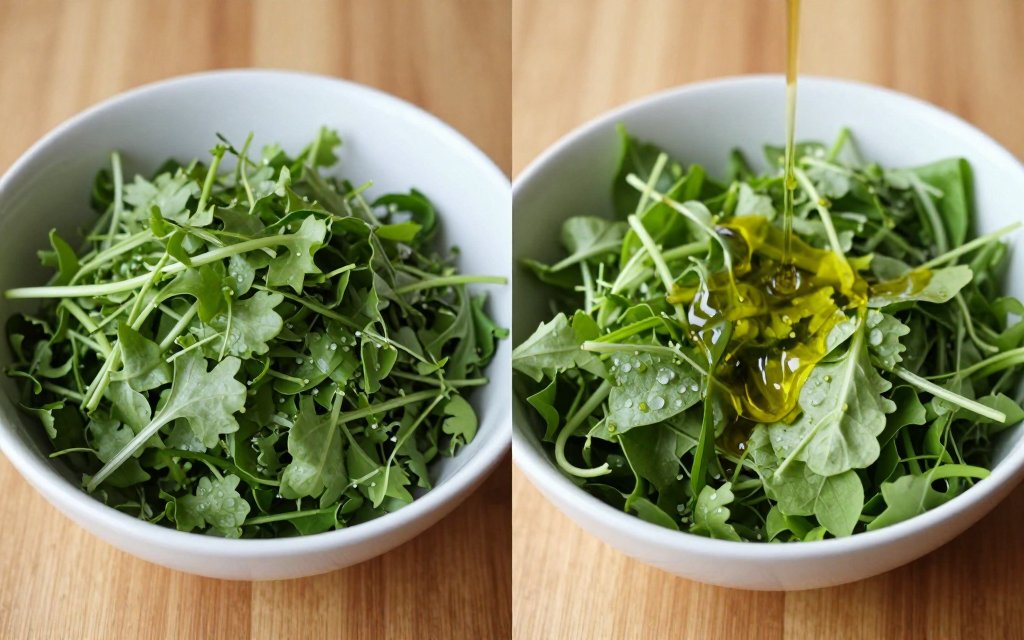
A bowl of leaves might be 30 calories. Toss it with two tablespoons of olive oil dressing and you've added 240, so the dressing outweighs the salad by eight to one. That's how a meal you picked to be light ends up heavier than the burger you skipped.
The fix isn't to fear oil. It's to see it. Reading serving sizes with your hand works well for solid food, but liquids like oil are easier to catch with a quick log the moment they leave the bottle.
What a daily habit costs you in calories and cash
Say you use three tablespoons of oil and butter across a normal day. That's roughly 340 calories, close to a small meal, and you never chewed a bite of it. Over a week that's about 2,400 calories, and the standard math on fat storage puts 3,500 stored calories near a pound of body weight. Track those pours and the same cooking can still fit a plan built around a calorie deficit.
Knowing how many calories your body burns each day tells you how much room those spoons really take up. For most people it's the difference between slow progress and none.
Three tablespoons of fat a day is about 2,400 hidden calories a week, roughly a full day of eating.
There's a money side too. A litre of good olive oil isn't cheap, and heavy pours drain the bottle in a week. Measuring saves calories and cash at once. If you'd rather skip the mental math, CalMeal reads your plate and lets you add the oil you cooked with in a tap.
Common questions about oil and butter calories
How many calories in a tablespoon of olive oil?
About 120 calories, all of it from 14 grams of fat. That holds for extra virgin and regular olive oil alike, since both are 100% fat. Drop to a teaspoon and you're at roughly 40 calories.
Is olive oil or butter lower in calories?
Butter is slightly lower at about 100 calories a tablespoon versus 120 for oil, because butter carries a little water and milk solids. Per gram of fat they're nearly identical, so the real difference is how much you use and whether you measure it.
Do avocado oil calories differ from olive oil?
No. Avocado oil calories land at about 120 per tablespoon with 14 grams of fat, the same as olive oil. Any liquid cooking oil, whether avocado, canola or sunflower, sits in that same range.
Cooking oil is the easiest calorie to lose track of, and the easiest to fix once you can see it. Start tracking the fat you cook with today and take the guesswork out of counting the calories in olive oil and butter. Get the app here: iOS or Android.
Start Tracking Your Nutrition Today
Download CalMeal for free and take the guesswork out of calorie counting with AI-powered food recognition.