Cottage cheese for weight loss keeps you fuller for longer
A cup of low fat cottage cheese packs about 28 grams of protein for roughly 163 calories, and that ratio is why it keeps hunger quiet. Here is the nutrition, the macros and the easy ways to work it into a lighter day.
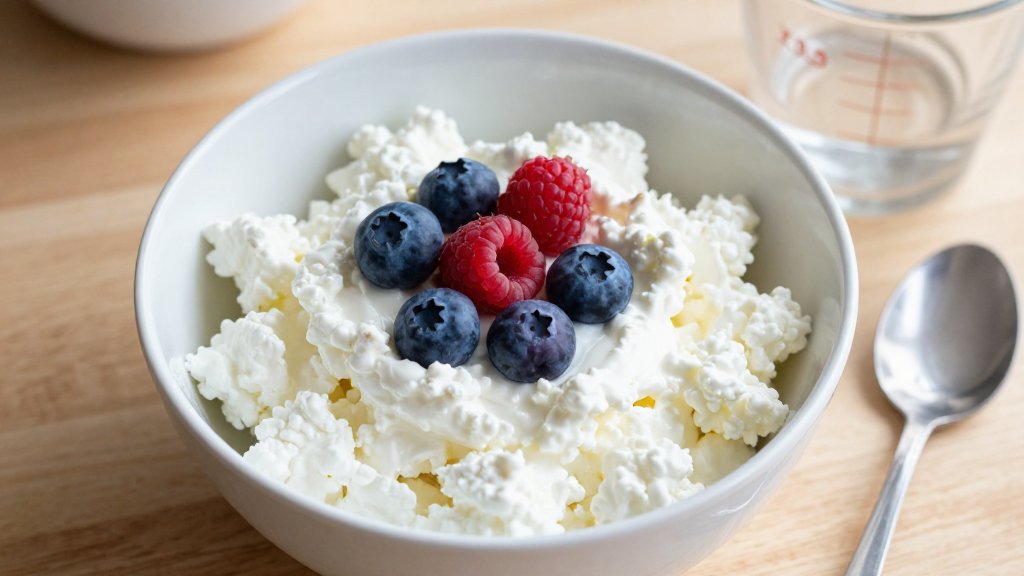
Cottage cheese for weight loss has quietly become the snack people reach for when they want to eat less without feeling starved. A single cup of the low fat kind carries about 28 grams of protein for roughly 163 calories, and that ratio is the whole story. Most foods make you choose between filling and light, and this one refuses to.
The reason cottage cheese for weight loss works so well comes down to what the protein is made of and how slowly your body handles it. It is not a magic food, and no single ingredient melts fat. It just makes the hard part of eating less, the hunger, much easier to sit with.
Why cottage cheese for weight loss keeps you full
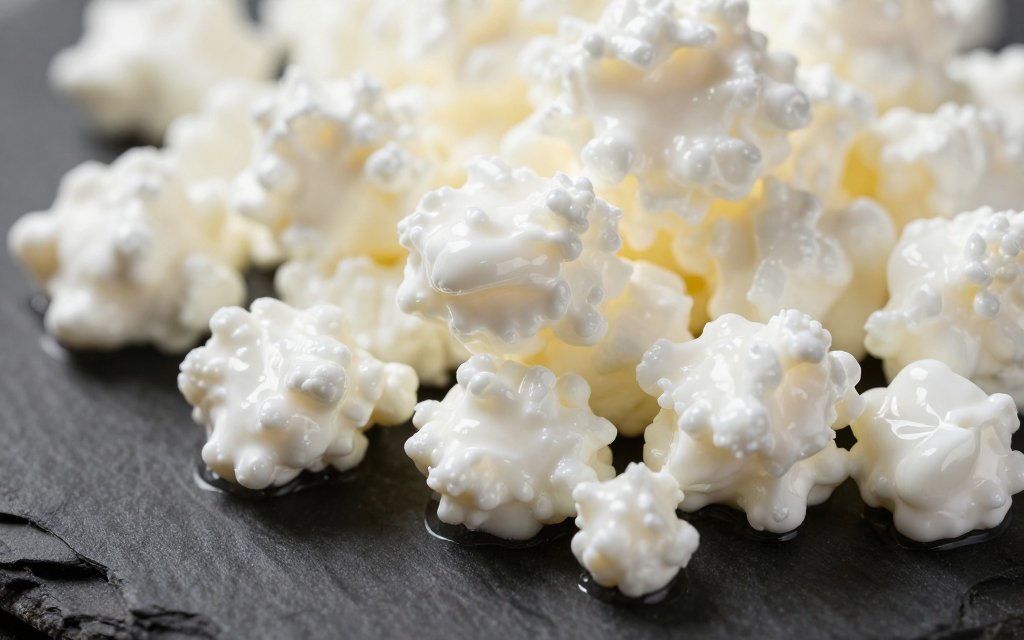
Around 80% of the protein in cottage cheese is casein, the slow digesting dairy protein. Instead of hitting your bloodstream all at once, it trickles in over several hours. That steady release is why a small bowl can hold off hunger long after the calories are gone.
Protein makes up more than 70% of the calories in cottage cheese, which is why a modest bowl quiets hunger in a way most snacks never manage.
High protein dairy also nudges the gut hormones that tell your brain you are satisfied. Research on cottage cheese and similar foods links them to a rise in GLP-1 and PYY, the signals that curb appetite, and to steadier blood sugar after a meal. Eat protein first and you tend to eat less overall without deciding to.
How much protein in cottage cheese, cup by cup
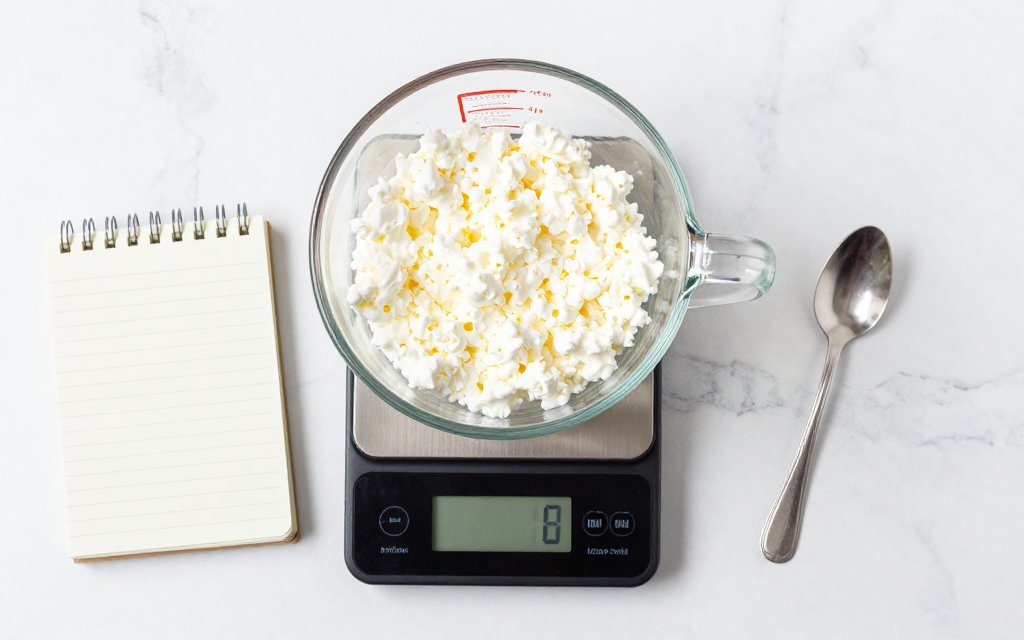
So how much protein in cottage cheese are we really talking about? A half cup of 1% low fat runs about 81 calories with 14 grams of protein. Double it to a full cup and you land near 163 calories and 28 grams. The cottage cheese protein count climbs fast while the calories barely move.
Fat level shifts the math a little. A 100 gram scoop of 2% lands around 84 calories with 11 grams of protein and about 4 grams of carbs. Nonfat trims a few calories, while 4% creamed adds them back with more fat. That keeps the cottage cheese calories low while the protein stays high, and for most people chasing protein per calorie the 1% tub is the sweet spot.
One cup of low fat cottage cheese carries about 28 grams of protein for roughly 160 calories, a ratio most whole foods cannot match.
Cottage cheese nutrition beyond protein
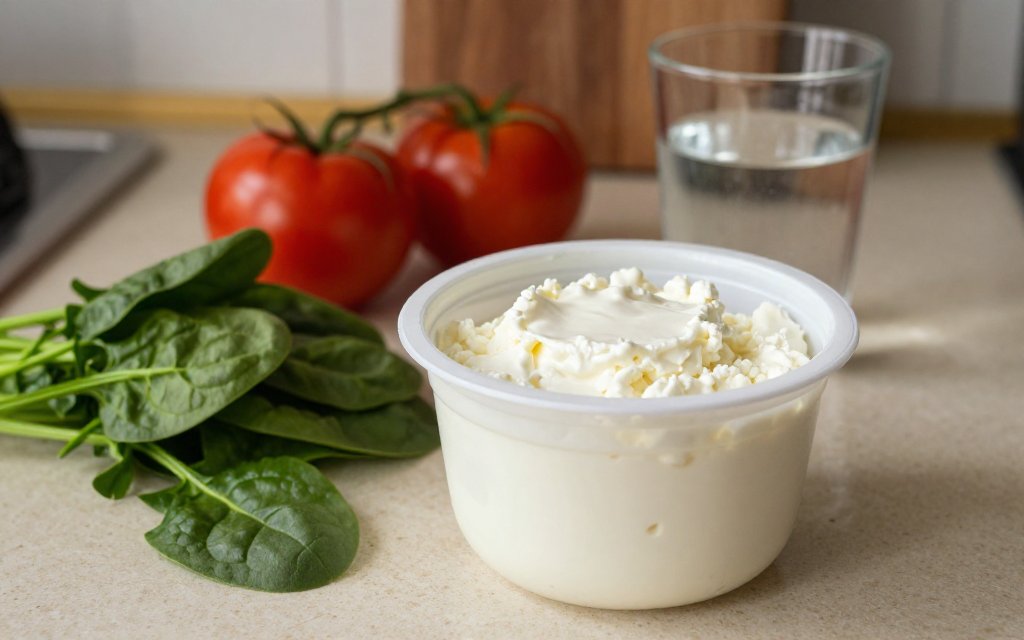
The nutritional value of cottage cheese goes well past the protein line. A cup delivers real calcium and phosphorus for your bones, plus vitamin B12 at close to 29% of a day's target and a solid dose of selenium. Cottage cheese nutrition also stays naturally low in sugar when you buy it plain.
Plain cottage cheese and carbs are barely on speaking terms. A cup holds about 6 grams with no added sugar, which is why it fits low carb and higher protein plans alike. The catch is sodium. That same cup can carry close to 900 milligrams, so if you watch salt, reach for a no salt added tub.
The sodium trade off worth watching
None of this makes cottage cheese a health risk, but the salt is the one number to keep an eye on. Rinsing the curds briefly or buying a reduced sodium version cuts it without touching the protein. Pair it with fresh fruit or vegetables and the plate balances out.
| Macro | Per cup | Share of calories |
|---|---|---|
| Protein | 28 g | About 70% |
| Carbs | 6 g | About 15% |
| Fat | 2 g | About 11% |
Where cottage cheese fits in a real calorie budget
Here is where it pays off. Swap a typical 300 calorie snack, a granola bar or a handful of trail mix, for a cup of cottage cheese near 160 calories, and you save roughly 140 calories while actually adding protein. Do that most days of the week and the gap adds up without any willpower theatrics.
That is the quiet advantage. You are not eating less food, you are eating food that keeps you satisfied for longer, so the next craving shows up later and smaller. If you want the full math on turning small daily savings into steady loss, our guide on a 500 calorie deficit lays it out.
Tracking helps you see it. Logging your cottage cheese macros next to your other meals shows exactly how much protein you are banking per calorie, and that number is hard to beat. A quick photo in a photo calorie counter fills in the numbers before you finish your first bite, and you can line it up against other high protein foods ranked by calorie.
Casein digests slowly, so the protein keeps working for hours rather than spiking and fading within one.
Easy high protein cottage cheese snacks
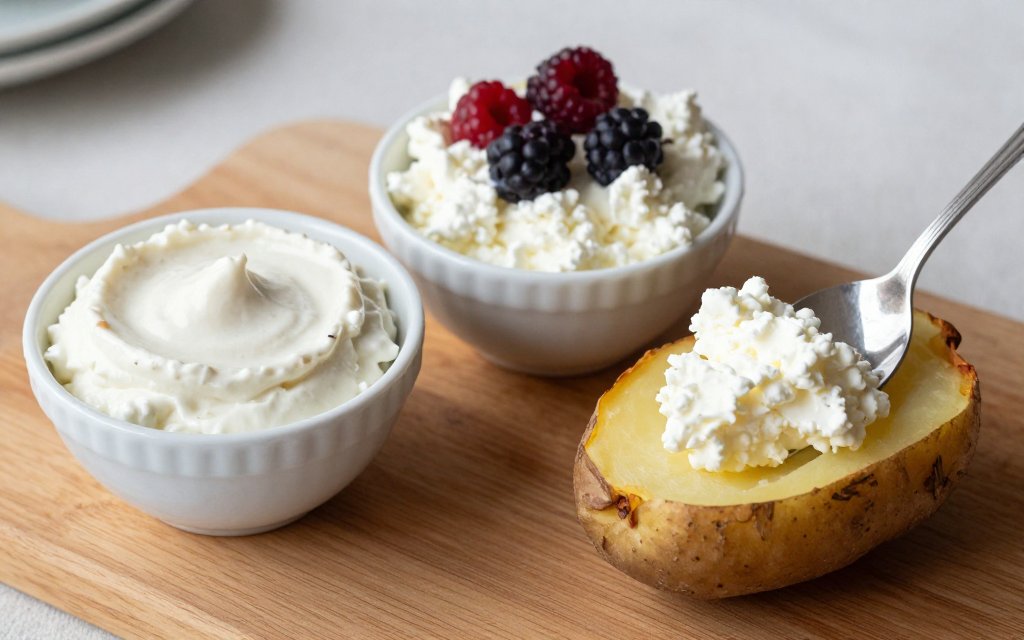
The texture puts some people off, but that is a fixable problem. Blend a tub until it is smooth and it becomes a thick, tangy base for dips, sauces and even lower calorie desserts. Left as curds, it works as a topping or a quick side. These high protein cottage cheese ideas take under two minutes each.
Timing matters less than people think, though a bowl before bed puts that slow casein to work while you sleep. Greek yogurt does a similar job during the day, and you can weigh the two in our Greek yogurt protein breakdown.
Common questions about cottage cheese
Is cottage cheese good for weight loss?
Yes, within reason. It is high in protein, low in calories and very filling, which are the traits that make eating less feel manageable. Worth a fair note, direct trials on cottage cheese alone are still thin, so treat it as one strong tool rather than a cure.
How much protein in cottage cheese per cup?
A full cup of 1% low fat holds about 28 grams of protein for roughly 163 calories. The 2% and 4% versions sit a little lower on protein per calorie because the added fat brings extra calories along for the ride.
Are cottage cheese and carbs a concern on a low carb plan?
Not really. Plain cottage cheese has about 6 grams of carbs per cup and no added sugar, so it slots into most low carb and keto style days. Flavored tubs are the exception, since fruit syrups and sweeteners push both the carbs and the 1 cup cottage cheese calories higher than you expect.
What are the main health benefits of cottage cheese?
Beyond weight control, the benefits of cottage cheese include bone friendly calcium, muscle supporting protein and B vitamins for everyday energy. Those health benefits of cottage cheese come without much sugar, which is rare for a creamy food. As always, check with a doctor before making big changes to your diet.
Cottage cheese is one of the simplest high protein swaps you can make, and tracking it is what turns a good habit into steady results. CalMeal takes the guesswork out of calorie counting with AI food recognition, so you can snap your bowl and see the protein and calories in seconds. Start today. Get the app here: iOS or Android.
Start Tracking Your Nutrition Today
Download CalMeal for free and take the guesswork out of calorie counting with AI-powered food recognition.