Egg Calories and Egg White Calories Compared
One large egg has about 70 calories and 6 grams of protein. See egg calories for boiled, fried, and scrambled eggs, plus egg white calories and yolk numbers, and how to log them without guessing.
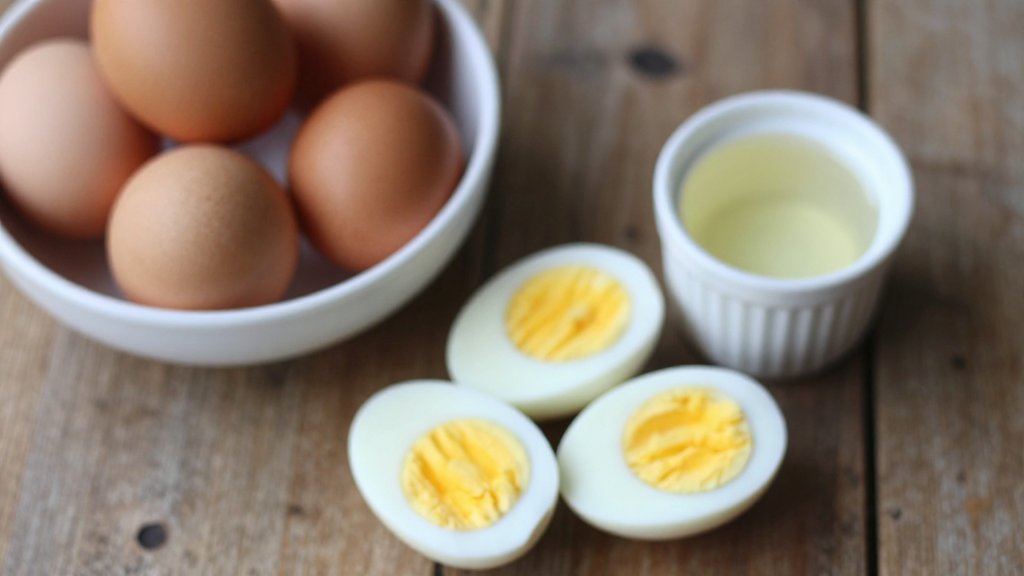
If you have ever wondered how many calories in an egg you are eating, the short answer is about 70 to 74 calories for one large egg. Egg calories stay low while the protein stays high, which is why eggs show up in almost every weight loss and high protein plan.
The exact number shifts with size and cooking method. A raw or boiled large egg sits near 70 calories, while a fried egg climbs to about 92 calories once it meets oil or butter. This guide breaks egg calories down by preparation and by part, so you can log breakfast without guessing.
How Many Calories in an Egg?
One large egg holds about 70 calories, made up of roughly 6 grams of protein and 5 grams of fat with almost no carbs, according to the American Egg Board. That protein to calorie ratio is why eggs anchor so many breakfasts.
Size moves the number a little. Australian Eggs lists a 60 gram egg at 74 calories and 6.3 grams of protein, which works out to about 142 calories per 100 grams. A small egg is closer to 64 calories, while a jumbo egg can reach 84.
A single large egg delivers about 6 grams of complete protein for only 70 calories, one of the best protein to calorie ratios of any whole food.
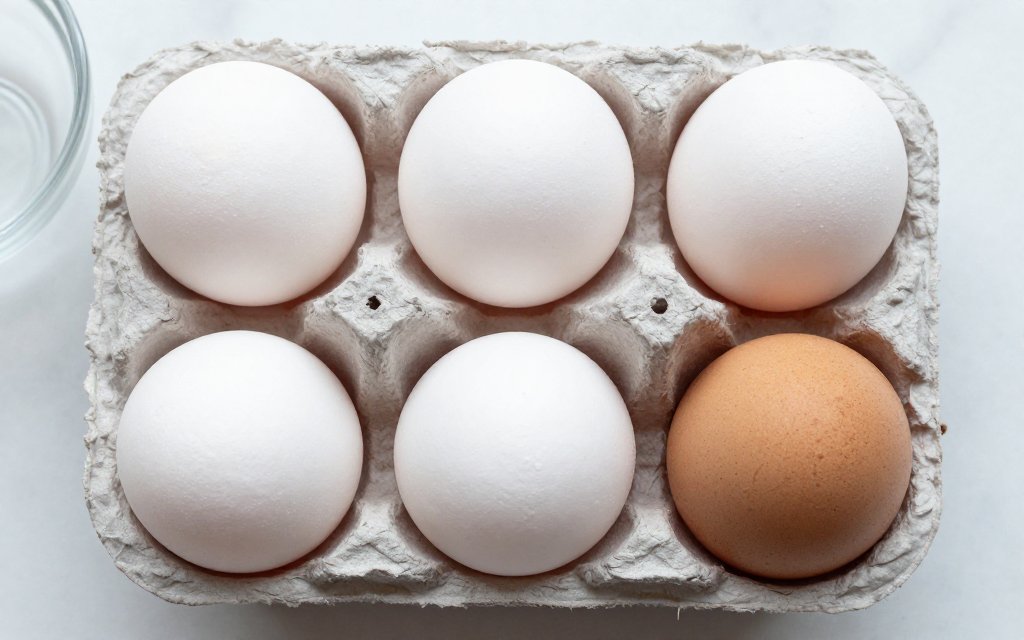
Egg Calories by Cooking Method
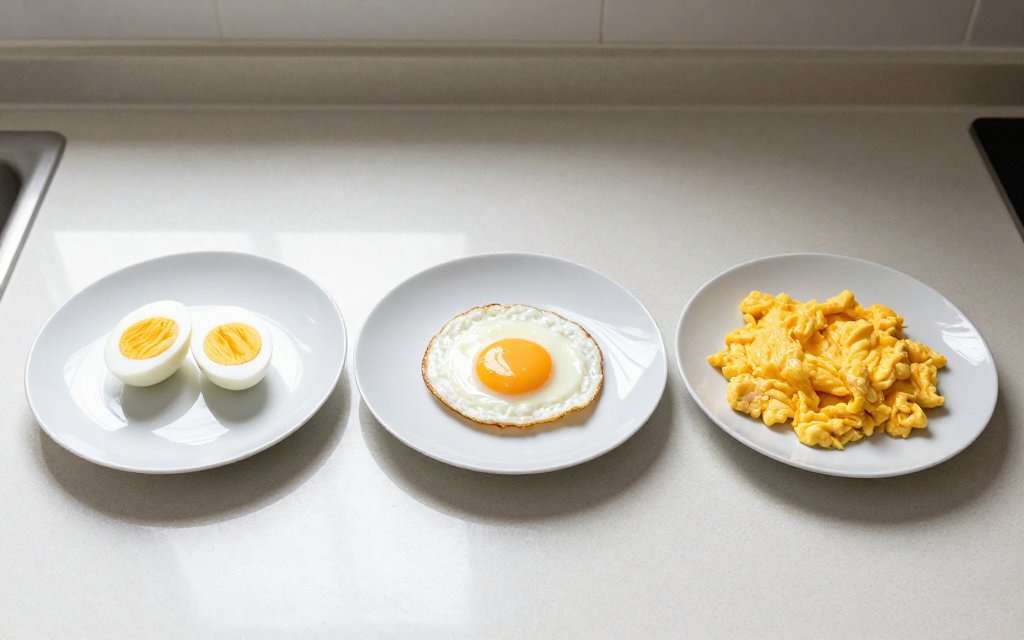
Cooking method matters less than what you add to the pan. A plain boiled or poached egg keeps the calorie content of an egg near 74 calories, because water adds nothing. The moment you introduce oil, butter, milk, or cheese, egg calories rise.
Calories in a Boiled Egg
A hard boiled large egg has about 74 calories and 6.3 grams of protein, the same as a poached egg, since neither adds fat. That makes boiling the lowest calorie way to cook eggs and the easiest to log.
Calories in a Fried Egg
USDA data puts a large fried egg at 92 calories with 6.27 grams of protein and 7 grams of fat. That is the egg alone in a nonstick pan. Add a teaspoon of oil and you add roughly 40 more calories, so a fried egg in a well oiled pan can pass 130 calories.
Calories in Scrambled Eggs
Scrambled eggs made with a splash of milk and a pat of butter come in around 91 calories per egg, with 6 grams of protein and 7 grams of fat. Skip the butter, use a nonstick pan, and you can keep calories in scrambled eggs close to the boiled number.
Egg White Calories and Yolk Calories
Split an egg and the numbers tell a clear story. Egg white calories come in at just 17 per large egg, with 3.6 grams of protein and no fat. The yolk carries 53 calories, 2.4 grams of protein, and all of the fat.
| Egg Part | Calories | Protein |
|---|---|---|
| Egg white | 17 cal | 3.6 g |
| Egg yolk | 53 cal | 2.4 g |
| Whole egg | 70 cal | 6.0 g |
Nearly half of an egg's protein, about 43 percent, sits in the yolk, so tossing the yolk means tossing protein along with it.
Egg whites are the pick when you want protein with very few calories, which is why the egg white omelet is a cutting staple. The yolk still holds nearly half the protein plus most of the vitamins, so whole eggs give you more nutrition per bite.
Egg Protein: How Much Protein in an Egg
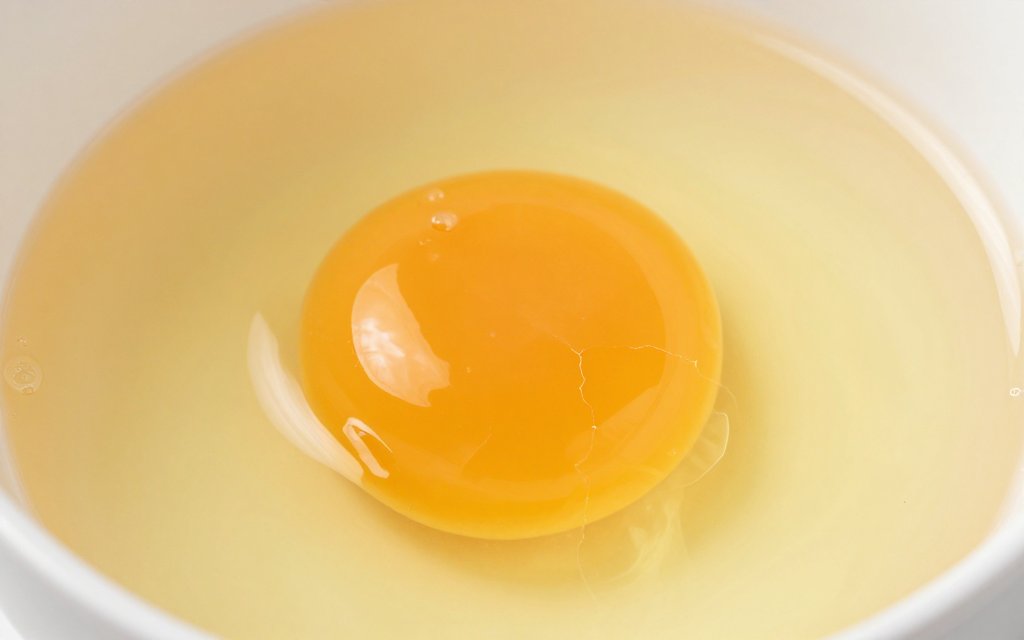
Egg protein is complete, meaning it carries all nine essential amino acids your body cannot make on its own. One large egg gives about 6 grams, so two eggs land near 12.7 grams of protein for around 148 calories.
The egg nutrition facts on any carton confirm the same 6 to 6.3 grams per large egg, and that egg nutritional information rarely changes between brands. If you are lining up protein sources, our rotisserie chicken breakdown and peanut butter macros guide sit well next to eggs on a high protein day.
Using Egg Calories in Your Daily Plan
Knowing these numbers only helps if you log them the same way each time. The most common tracking mistake is counting the eggs but forgetting the tablespoon of oil or the slice of cheese, which can quietly double the total.
Fit those eggs into your targets with our maintenance calorie guide, and if hunger is the real issue, the protein density rule explains why eggs keep you full. You can log every meal free and let the photo do the math.

Egg Nutrition Facts FAQ
Are eggs a good food for weight loss?
Yes. Eggs are popular for weight loss because they pack 6 grams of protein into about 70 calories, so you feel full on fewer calories. Protein also carries a higher thermic effect than fat or carbs. Just watch the oil and cheese you cook them in.
How much protein in an egg white?
One large egg white has 3.6 grams of protein and only 17 calories. That is why egg white omelets and cartoned egg whites are favorites for high protein, low calorie meals. The trade off is that you leave the yolk vitamins and healthy fats behind.
Do egg calories change when you cook them?
The egg itself barely changes, but what you cook it in does. Boiling and poaching keep an egg near 74 calories, while frying in oil or butter can push it past 120. Scrambling with milk and butter lands around 91 calories per egg.
Eggs are one of the simplest ways to hit your protein without stacking calories, and tracking them removes the guesswork. Start counting your egg calories and everything else today with free AI powered food recognition. Get the app here: iOS or Android.
Start Tracking Your Nutrition Today
Download CalMeal for free and take the guesswork out of calorie counting with AI-powered food recognition.