Lean bulking means a calorie surplus, here's how much
A lean bulk works best on a small calorie surplus, roughly 250 to 500 extra calories a day, plus enough protein. Here is how to set your numbers, pick the best bulking foods, and add muscle without the fat.

Eat a little more than you burn, lift hard, and your body has the raw material to add muscle. That is the whole idea behind a calorie surplus. Most guides make it sound complicated, but the number you need is small, and for a lean bulk somewhere around 250 to 500 extra calories a day is plenty to grow while keeping fat gain slow.
The common mistake is going too big. A calorie surplus for muscle gain is not a free pass to eat everything in sight. Your body can only build so much muscle in a week, and calories past that point land as fat. Get the size of the surplus right and you spend months adding lean weight instead of undoing a sloppy bulk later.
How a calorie surplus builds muscle
Muscle is built, not conjured. When you train, you create tiny tears in muscle fibers, and your body repairs them slightly bigger and stronger. That repair costs both energy and protein. You can recomp slowly at maintenance, but a modest surplus hands the repair crew more to work with, which is why a calorie surplus to build muscle speeds things up for most lifters.
The research backs the modest approach. Healthline's review of clean bulking points to a surplus of roughly 350 to 500 calories a day as effective for adding muscle while keeping fat storage low. Bigger is not better here. Past a point, you are only feeding fat cells.
Your body can synthesize only about 0.2 to 0.5 kg of new muscle a month. Eat far beyond that and the extra calories have nowhere to go but fat.
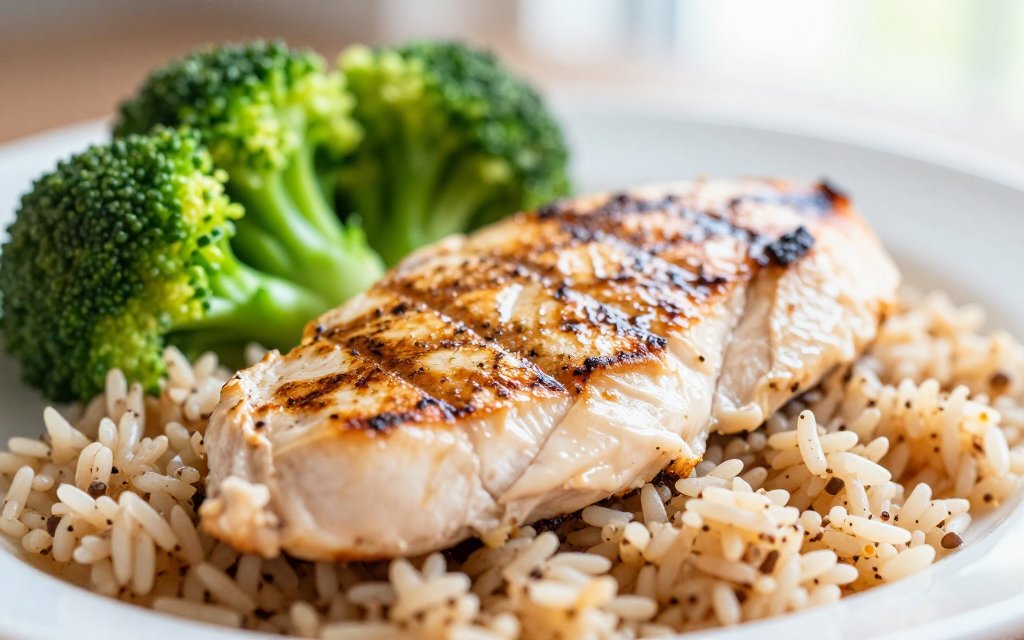
How many calories to build muscle
Start from your maintenance calories, the amount that holds your weight steady, then add a small surplus. Two methods work well. You can add 10 to 20 percent on top of maintenance, or use bodyweight math, since Legion Athletics suggests eating about 16 to 18 calories per pound of bodyweight a day to sit near 110 percent of your total daily energy expenditure.
Say you maintain at 2,500 calories. A 10 to 20 percent surplus puts you at 2,750 to 3,000 a day. A 175 pound man on the clean bulk range adds about 250 to 500 calories, while a 135 pound woman lands closer to 200 to 400. Track it for two weeks, then adjust to the scale rather than a guess.
If you have been cutting, this runs the other way. Where our 500 calorie deficit guide subtracts to lose about a pound a week, a bulk adds a smaller number to gain slowly and stay lean.
| Bodyweight | Daily surplus | Weekly gain |
|---|---|---|
| 135 lb | 200 to 400 cal | 0.3 to 0.6 lb |
| 155 lb | 250 to 450 cal | 0.4 to 0.8 lb |
| 175 lb | 250 to 500 cal | 0.4 to 0.8 lb |
| 200 lb | 300 to 500 cal | 0.5 to 1.0 lb |
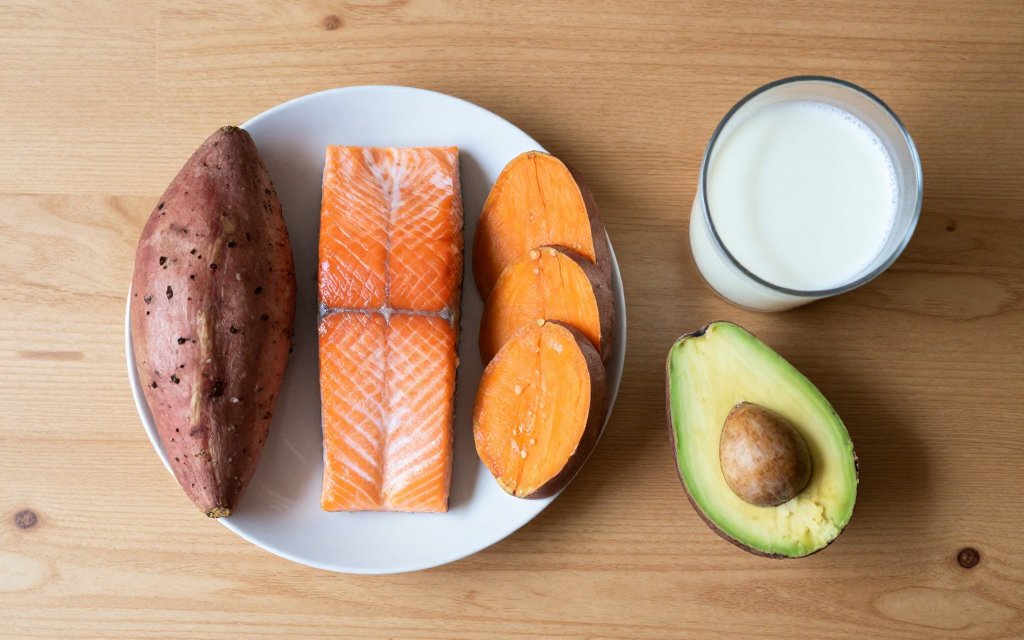
Set your lean bulk surplus without the fat
A lean bulk is just a bulk with the brakes on. Instead of piling on 700 or 1,000 extra calories and watching your waistband, you add the smallest surplus that still drives growth. That keeps the ratio of muscle to fat in your favor, so the next cut is short and easy.
Watch the scale and the mirror together. If you gain faster than about 0.5 to 1 percent of your bodyweight in a month, trim 100 to 150 calories. Legion frames the sweet spot as moderate gain near 1 percent of bodyweight per month, with rapid gain at 2 percent saved for skinny beginners who can afford it.
If the scale climbs more than a pound a week for weeks on end, that is fat outpacing muscle. Ease the surplus back down.
Protein muscle gain starts with your daily total
Calories decide whether you grow. Protein decides how much of that growth is muscle. The International Society of Sports Nutrition puts daily protein for building and holding muscle at 1.4 to 2.0 grams per kilogram of bodyweight, which lines up with the familiar 0.7 to 1 gram per pound target. Solid muscle building protein intake is the piece most lifters underdo.
Protein timing across the day
Spread it out. The same position stand suggests roughly 0.25 grams per kilogram, or 20 to 40 grams of protein, at each meal every 3 to 4 hours. That steady supply keeps muscle protein synthesis topped up better than one huge dinner. If you diet down later, protein climbs to 2.3 to 3.1 grams per kilogram to protect the muscle you built.
Hitting the number is easier with dense sources. Our roundup of high protein foods ranked by calorie works just as well for a bulk, and a single cup of Greek yogurt can add 20 grams or more with almost no effort.
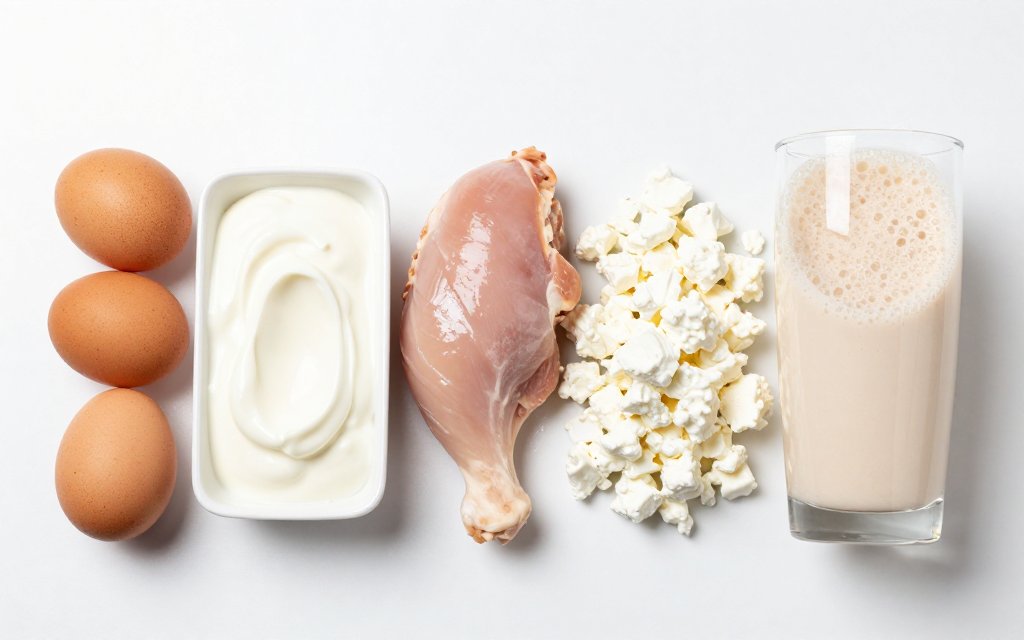
Best bulking foods that stay high in protein
The best bulking foods do two jobs at once. They pack the calories you need and the protein your muscles use. Whole eggs, chicken, salmon, Greek yogurt, lean beef, milk, oats, rice and nut butters cover most of it, and you can check portions in our chicken breast calories guide before you plate up.
For a high protein diet for muscle gain and fat loss at the same time, load protein and vegetables first, then top up with calorie dense carbs and fats. That gives you the high protein foods for muscle growth your training needs, plus the extra energy of a surplus, without a pile of junk calories.
What a clean bulk really costs and pays
Here is the honest math on time. A clean bulk on a small surplus might add 3 to 6 pounds of real muscle over a solid training year for a natural lifter, because the body can lay down only about half a pound to a pound of muscle a month. Rush it with a dirty bulk and you can gain that weight in six weeks, but half of it is fat you then pay to remove.
That fat is not free. A dirty bulk usually forces a longer cut afterward, which means more months of dieting, more hunger, and often some muscle lost on the way down. Adding 300 to 500 calories a day of real food costs a few dollars, far less than the extra protein powder and months of cutting a bloated bulk demands.
For the rest of your plate, a workable split is 20 to 30 percent of calories from protein, 20 to 30 percent from fat, and 40 to 60 percent from carbs to fuel training. Adjust it to taste. The size of the surplus and your protein total matter far more than the exact ratio.
Muscle gained slowly tends to stay. Fat gained quickly just books you a longer cut.
Common questions about lean bulking
Do I really need a calorie surplus to build muscle?
For steady gains, yes. You can build a little muscle at maintenance, or even in a slight deficit, if you are a beginner or returning after a long break, but progress is slow. A calorie surplus for muscle gain gives your body the spare energy to add tissue reliably, which is why most lifters grow fastest eating a bit above maintenance.
Should I lose fat before I start a lean bulk?
If you are already carrying a lot of fat, a short cut first often makes the bulk cleaner and more comfortable. A common guideline is to start once you can see some definition, roughly the mid teens body fat for men and mid twenties for women. Below that, you have room to grow before fat becomes the issue.
How fast should I gain weight on a clean bulk?
Aim for about 0.25 to 0.5 percent of your bodyweight a week, which is under a pound for most people. Faster than that and the extra weight skews toward fat. Weigh yourself a few mornings a week, average the numbers, and adjust calories every two weeks.
Can I build muscle and lose fat at the same time?
It happens most in beginners, people returning to training, and those with plenty of fat to lose. For everyone else it is slow going, so a high protein diet for muscle gain paired with a small surplus usually beats trying to do both at once. Pick one goal, give it a few months, then switch.
A lean bulk lives or dies on the numbers, and guessing is how a surplus quietly balloons. Snap a photo of your plate and let CalMeal estimate the calories and protein for you, so you can hold a small, steady surplus and keep your gains lean. Start tracking your nutrition today and take the guesswork out of counting. Get the app here: iOS or Android.
Start Tracking Your Nutrition Today
Download CalMeal for free and take the guesswork out of calorie counting with AI-powered food recognition.