What are macros and how do you count them
Macros are just protein, carbs and fat in grams. Here is how to count them, set a weight loss split, and hit your protein without turning dinner into math.
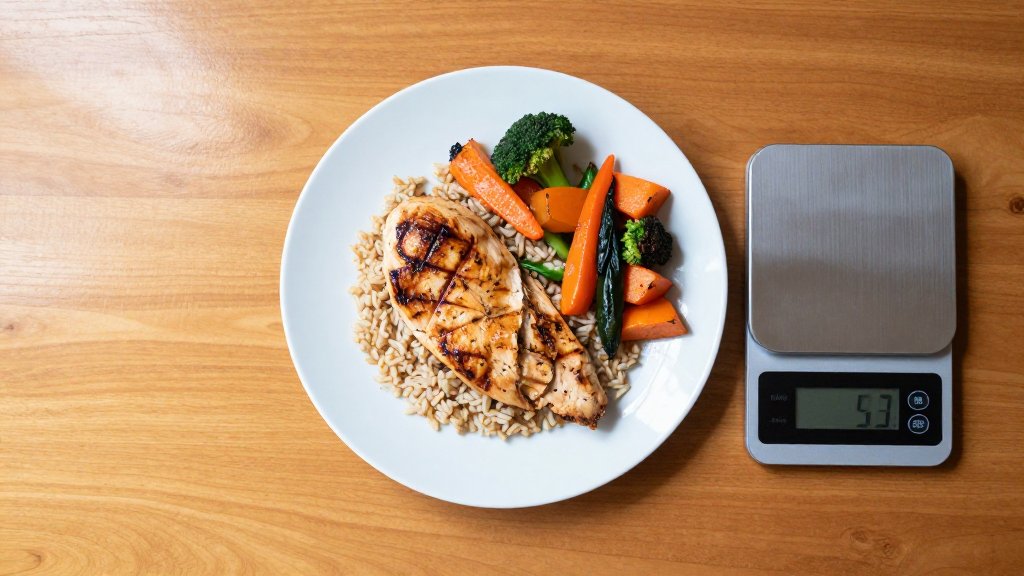
Protein, carbs and fat are the only three things on a nutrition label that carry calories, and the balance between them shapes how full you feel and how much muscle you keep while the scale drops. That balance is what people mean by macros. So what are macros in plain terms? They are your protein, carbohydrate and fat, measured in grams, and tracking them is calorie counting with a bit more detail.
Counting macros for weight loss sounds fussy, but it comes down to two numbers you set once and a habit you repeat at meals. Learning how to count macros for weight loss takes an afternoon to understand and a week to make automatic. Think of it as counting macros for beginners, minus the intimidation, and you can start today.
What are macros, exactly
A macronutrient is a nutrient your body needs in large amounts for energy and repair. There are three: protein, carbohydrate and fat. Vitamins and minerals matter too, but those are micronutrients, needed in tiny doses, and they carry no calories.
Every gram of food you eat lands in one of those three buckets, plus water and fiber. When you know roughly how your grams split across the three, you understand your plate far better than a single calorie number can tell you. Calories say how much; macros say what kind.
How many calories per gram of protein, carbs and fat
Here is the fact the whole system rests on. Protein and carbohydrate each hold about 4 calories per gram, while fat holds about 9 calories per gram, roughly the numbers standard nutrition guides use to turn grams into calories. That is why the same weight of food can carry wildly different energy.
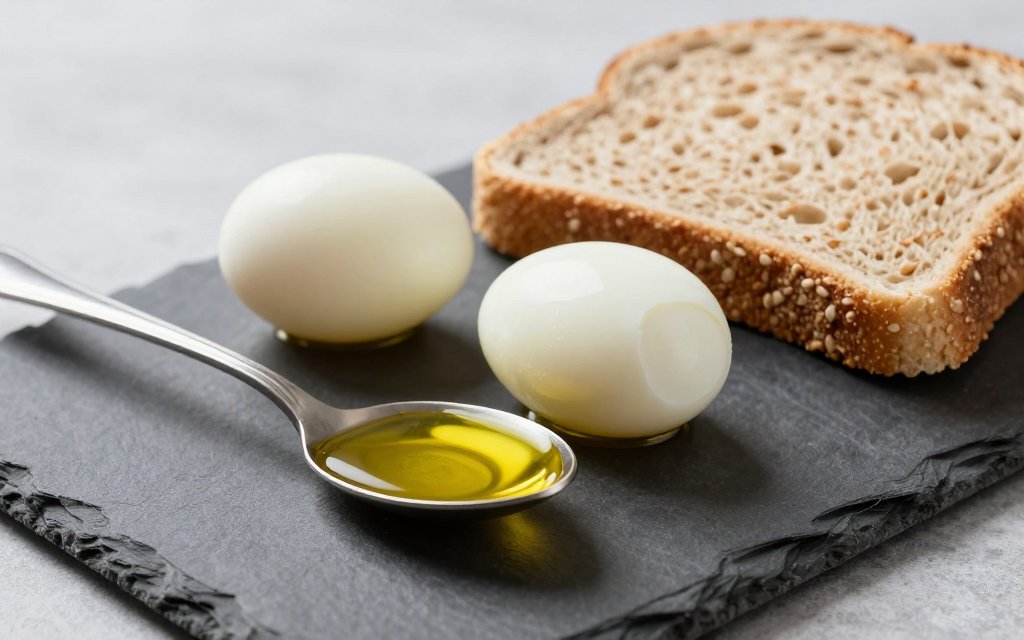
Fat is not bad for you, it is just concentrated. Because it packs more than double the energy of protein or carbs, a couple of tablespoons of oil can quietly rival a whole chicken breast for calories. Knowing how many calories per gram of protein you are eating versus fat is what stops a healthy salad from turning into an 800 calorie bowl.
Fat is not the enemy, but it is dense. At 9 calories a gram it carries more than double the energy of protein or carbs, so a slick of oil adds up faster than it looks.
How to count macros without a math degree
You do not need a spreadsheet. The method is four steps, and the first two you only do once. Start with your daily calorie target, then split that target across the three macros, then turn each slice into grams.
Here is how to calculate macros with real numbers. Say your target is 1,800 calories a day. At 30 percent protein that is 540 calories, and 540 divided by 4 gives 135 grams of protein. Carbs at 40 percent come to 720 calories, or 180 grams. Fat at 30 percent is 540 calories, which at 9 per gram is 60 grams. A gentle 500 calorie gap tends to take off close to a pound a week, and you can read the full deficit math here.
What should my macros be for weight loss
The official guardrails are wide. The Acceptable Macronutrient Distribution Ranges put carbohydrate at 45 to 65 percent of calories, fat at 20 to 35 percent, and protein at 10 to 35 percent. That is a lot of room, which is the point: there is no single ratio everyone must hit.
The best macros for fat loss
For weight loss, most people do well nudging protein toward the top of that range and letting carbs and fat flex around it. A common starting split is 30 percent protein, 40 percent carbs and 30 percent fat, then you adjust based on energy, hunger and whether you train. The best macros for fat loss are simply the ones you can hit most days without feeling deprived.
There is no single best macro split. A calorie deficit drives weight loss, and the ratio that keeps you full and consistent is the one that usually wins.
How many grams of protein per day for fat loss
Protein is the one macro worth guarding while dieting. Research on protein and muscle points to about 1.2 to 1.6 grams per kilogram of body weight to support and maintain lean mass, which works out to roughly 0.5 to 0.7 grams per pound. For a 70 kilogram person, that is about 84 to 112 grams of protein a day.
So how many grams of protein per day should you aim for, and how much protein to lose weight without dropping muscle? Land in that range, lean higher if you lift, and build meals around a protein source first. If you want exact counts, our ranked list of high protein foods for weight loss shows what fits your grams for the fewest calories.
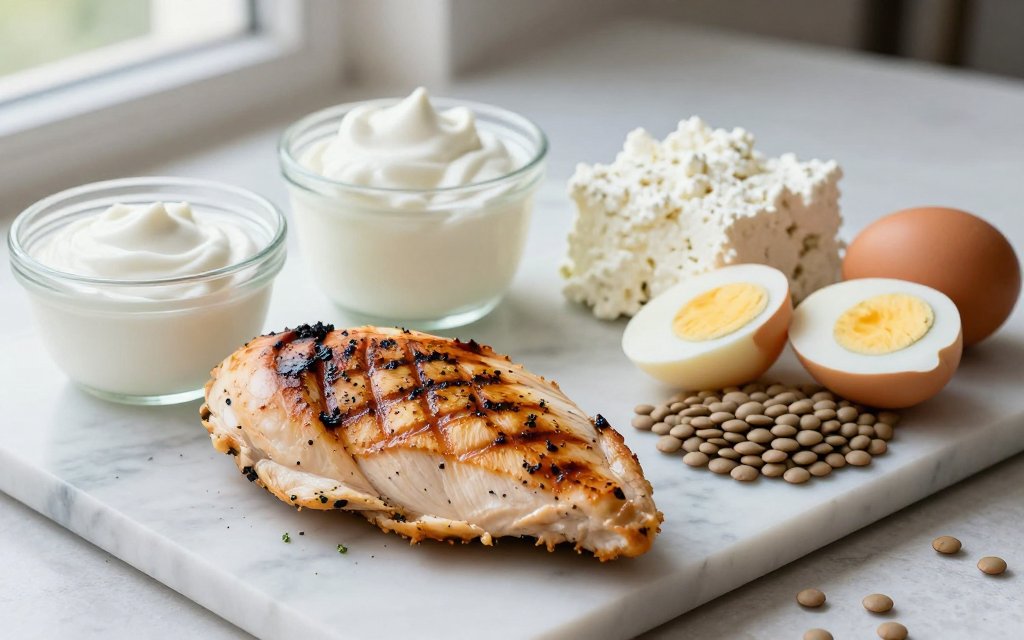
Guard your protein first on a cut. It preserves muscle, costs the most energy to digest, and keeps hunger quiet, which is why most plans lock it in before the rest of the plate.
How to track macros when life gets busy
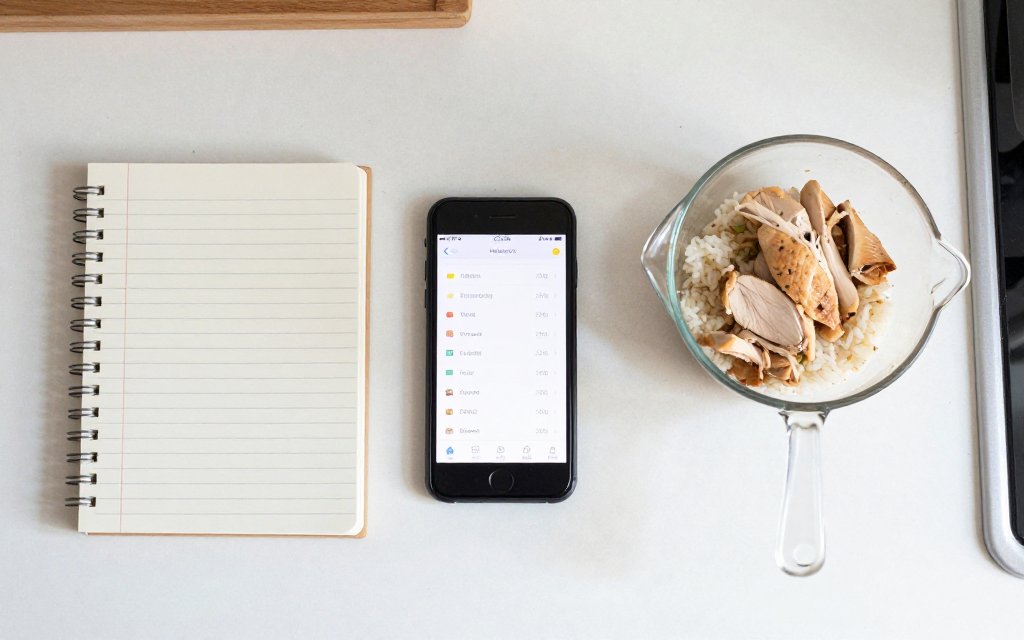
Tracking is where good intentions meet real life. A digital food scale and the numbers on a nutrition label get you the most accurate logs, but perfect is not the goal. The goal is a number close enough to steer by. This is where CalMeal helps, since it reads your plate from a photo and estimates the macros for you.
No scale at the table? Use your hand. A palm of protein, a cupped hand of carbs and a thumb of fat is a fast, portable estimate, and our guide to healthy portion sizes shows how those shapes map to grams. A quick photo estimate gets you 90 percent of the way, and you can tighten it up when it matters.

Macro counting questions, answered
What should my macros be if I just want to lose weight?
Set calories first at roughly 500 below maintenance, then start near 30 percent protein, 40 percent carbs and 30 percent fat. Adjust from there. If you are hungry and losing muscle, raise protein. If workouts feel flat, shift a little toward carbs.
How much protein should I eat in a day?
A practical range is 1.2 to 1.6 grams per kilogram of body weight, or about 0.5 to 0.7 grams per pound, and higher if you train hard while cutting. For many adults that means somewhere between 90 and 130 grams a day, spread across meals rather than crammed into one.
Do I have to count macros forever?
No. Most people track closely for a few weeks to learn what balanced meals look like, then loosen up and only check in when progress stalls or goals change. The skill sticks even after you stop logging every bite.
Is counting calories or counting macros better?
Calories decide whether you gain or lose. Macros decide how you feel and what you keep, especially muscle. Counting macros is just calorie counting with better resolution, so if you already track calories, adding macros is a small step with a real payoff.
Macros get a lot easier when the numbers add themselves up. Start tracking your nutrition today and take the guesswork out of protein, carbs and fat, so you can set your targets and actually hit them without weighing every bite. Get the app here: iOS or Android.
Start Tracking Your Nutrition Today
Download CalMeal for free and take the guesswork out of calorie counting with AI-powered food recognition.