A nutrition facts label tells you more than calories
A nutrition facts label shows far more than calories once you know the order to read it in. Here is how to use serving size, the 5 and 20 percent daily value rule, and the fiber and protein lines to eat for steady weight loss.

That nutrition facts label on the back of the box is doing more work than most people give it credit for. It shows calories, yes, but it also tells you how big a real serving is, how much sodium slips in, and whether the food actually keeps you full. Read it well and you stop guessing. Read it badly and a 150 calorie snack quietly becomes 300.
Most of the panel makes sense in under a minute once you know the order. Start with the serving size, drop to the calories, then let the percent daily value column judge everything else. This is how to read a nutrition label the way a dietitian would, using the real numbers that move the scale.
The serving size sets up the whole nutrition facts label
Everything else on the panel is per serving, not per package. If a bag lists 150 calories and holds two servings, finishing it means 300 calories, not 150. The serving size is only an average of what people tend to eat, so treat it as a reference, not a rule about how much you should have. Whatever the front of the box claims, the nutritional content label on the back follows one fixed FDA layout.
A box that says 150 calories can hide 300 if it holds two servings and you finish the whole thing.
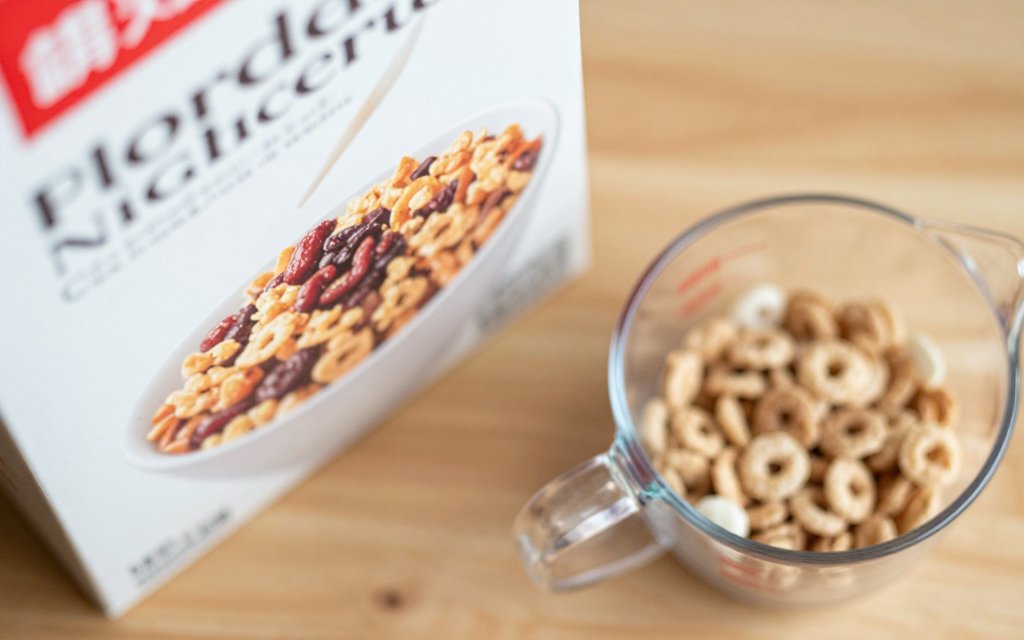
Calories per serving, and the math people skip
Calories come next, and this line matters most for weight. The FDA general guide treats about 100 calories a serving as moderate and 400 or more as high, according to Cleveland Clinic. Because those figures are per serving, the servings per container line decides your real total.
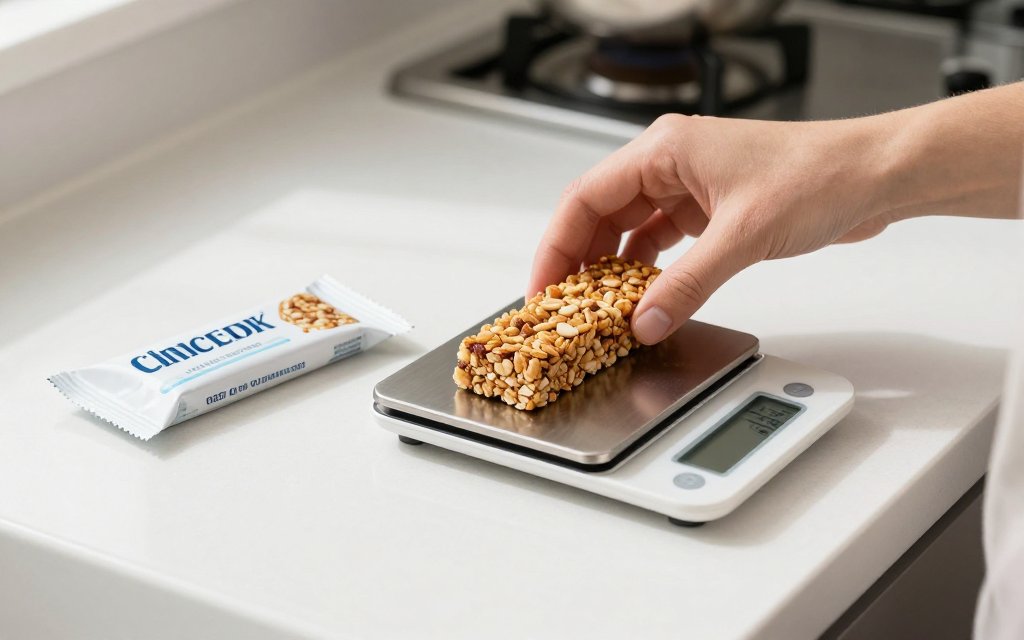
A granola bar sold in a two pack often lists one bar as the serving. Eat both and you double the calories, the sugar and the sodium at once. Scanning servings per container is the fastest fix for tracking errors, and it pairs well with knowing your portion sizes.
How to read a nutrition label with the 5 and 20 rule
Understanding nutrition labels comes down to three moves: serving size, calories, then the percent daily value column. That column looks technical and is actually the easiest shortcut on the label. The rule from the FDA, repeated by dietitians, is that 5% daily value or less is low and 20% or more is high.
A 5% daily value is low and a 20% daily value is high. That single rule handles most of the label.
The percent daily value column, explained
Those percentages assume a 2,000 calorie day, so a nutritional value label is built on an average rather than on your body. If you eat 1,500 calories to lose weight, your personal targets run lower, yet the 5 and 20 rule still sorts foods into good and not so good at a glance.
| % Daily Value | What it means | What to do |
|---|---|---|
| 5% or less | Low in that nutrient | Fine for sodium and fat |
| 10 to 15% | A moderate amount | Watch your daily total |
| 20% or more | High in that nutrient | Great for fiber, cap sodium |
The nutrients worth limiting on the back of the box
Three lines deserve a hard look because most of us get too much of them: saturated fat, sodium and added sugars. Cleveland Clinic puts the daily sodium ceiling near 2,300 mg and added sugars around 48 g, roughly 12 teaspoons, with saturated fat under about 5 to 6% of calories.
Packaged foods hide sodium well. A single frozen meal can carry more than 600 mg in one serving, and Anytime Fitness suggests keeping any one serving under that mark. The nutritional information label makes this obvious if you check the sodium percent daily value.

The UK's NHS uses a per 100 g guide that is quick on the shelf. More than 17.5 g of fat, 22.5 g of total sugars or 1.5 g of salt per 100 g counts as high, while 3 g of fat, 5 g of sugars or 0.3 g of salt or less counts as low, according to NHS guidance.
| Per 100g | Low | High |
|---|---|---|
| Total fat | 3g or less | over 17.5g |
| Saturated fat | 1.5g or less | over 5g |
| Total sugars | 5g or less | over 22.5g |
| Salt | 0.3g or less | over 1.5g |
Fiber, protein and the nutrients worth chasing
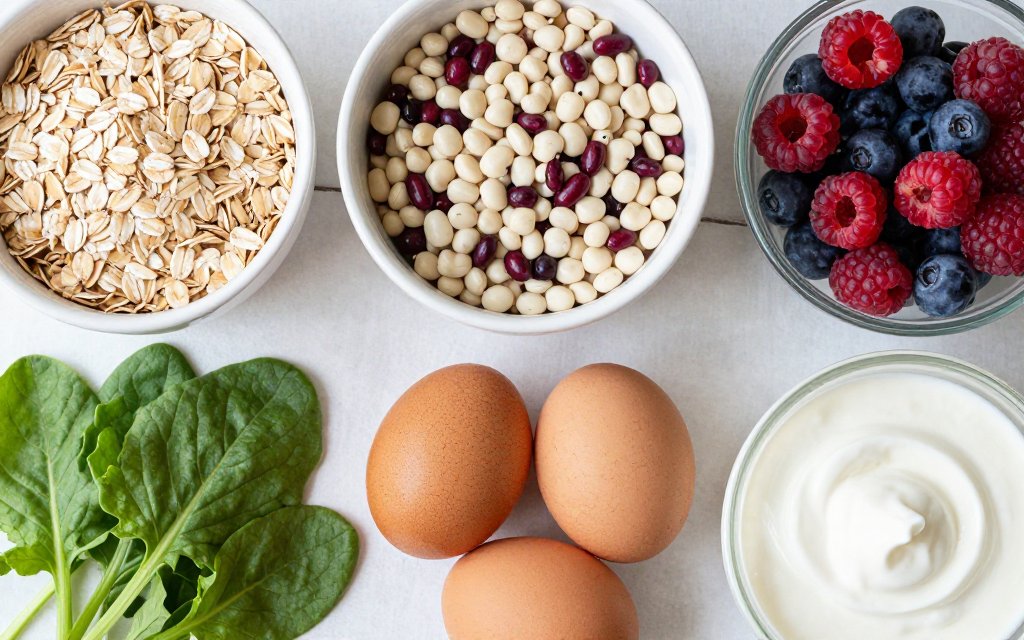
Not every number is a warning. Fiber and protein keep you full on fewer calories, which is the whole game for weight loss. Cleveland Clinic suggests 25 to 35 g of fiber a day and 20 to 30 g of protein per meal, and Anytime Fitness recommends at least 5 g of fiber per serving in packaged foods. For ideas, see our guide to high protein foods for weight loss.
Ingredients are listed heaviest first
The ingredient list is ranked by weight, so the first few items make up most of the food. If sugar or one of its aliases sits near the top, the product is mostly sugar no matter what the front claims. This is where a nutrition info label and its ingredient list work together.
What the label means for your week, not just the meal
Small label habits turn into real weight change. Misread servings and eat 300 calories instead of 150 at snack time every day, and that is 150 extra calories daily. With the rough 3,500 calories per pound rule, it adds close to a pound of fat every three to four weeks without one obvious binge.
Flip it around and the label becomes a tool. Reading servings correctly, choosing the higher fiber option, and swapping a 400 calorie serving for a 150 calorie one can build the same gap that drives steady loss. A 500 calorie deficit often comes from label choices, not the gym.
The percent daily value column assumes a 2,000 calorie day, so read it as a rough guide, not a personal target.
Common questions about reading food labels
A few more questions come up every time we cover how to read food labels, so here are quick answers to the ones people ask most before they trust the panel.
How do you read a nutrition label fast?
Go top to bottom: serving size, servings per container, calories, then the percent daily value column. Use the 5 and 20 rule, where 5% or less is low and 20% or more is high. Most choices take about ten seconds once the order becomes a habit.
What is a good percent daily value?
It depends on the nutrient. For fiber, protein, vitamins and minerals, higher is better, so 20% or more is great. For sodium, saturated fat and added sugars, lower is better, so aim for 5% or less per serving.
How many calories per serving is too many?
There is no hard cutoff, though Cleveland Clinic calls about 100 calories a serving moderate and 400 or more high. What matters more is the serving size and how the food fits your day. Set a personal ceiling by checking your maintenance calories.
Reading a nutrition facts label gets easier every time you do it, and CalMeal handles the in-between moments by reading your plate for you. Snap a photo, get calories and macros in seconds, and spend less time squinting at the back of a box. Start tracking your nutrition today and take the guesswork out of calorie counting with AI food recognition. Get the app here: iOS or Android.
Start Tracking Your Nutrition Today
Download CalMeal for free and take the guesswork out of calorie counting with AI-powered food recognition.