Wild or farmed, how much protein in salmon
Wild salmon runs about 182 calories and 25 grams of protein per 3.5 ounces, farmed a little richer at 206. Here is how much protein in salmon you really get, plus macros, omega-3 and calorie counts for fresh, smoked and full fillets.
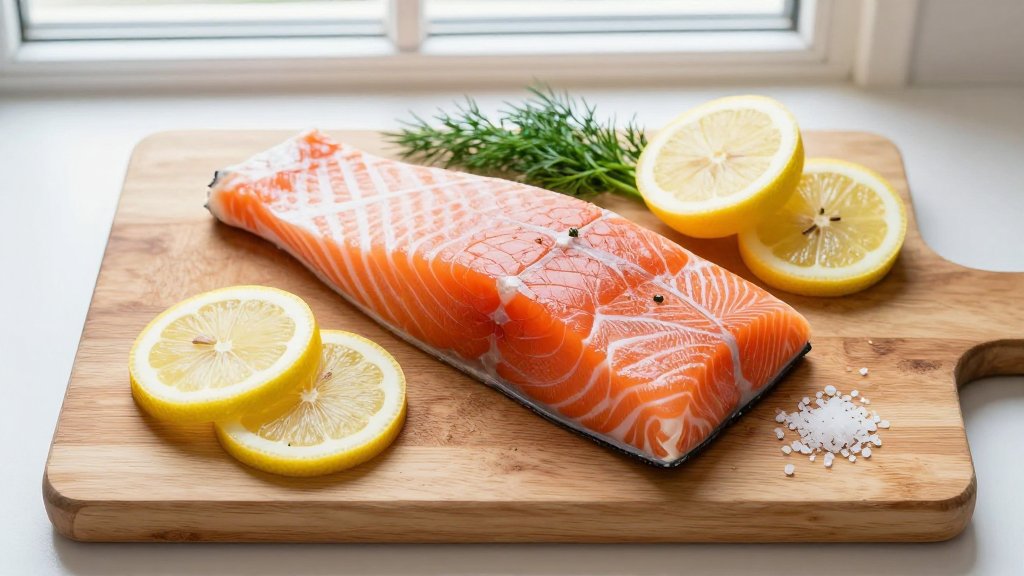
Ask how much protein in salmon and the short answer is plenty for the calories you spend. A 3.5 ounce piece of wild salmon carries about 25 grams of protein for roughly 182 calories, which lands close to a skinless chicken breast while adding omega-3 fats that chicken can't match.
Farmed salmon shifts the numbers a little. It holds more fat, so the salmon calories rise to about 206 per 3.5 ounces and the protein eases down near 22 grams. Both fit a weight loss plan without much fuss. The gap between them is small, and either one fills you up on a modest calorie budget.
How much protein in salmon, wild and farmed
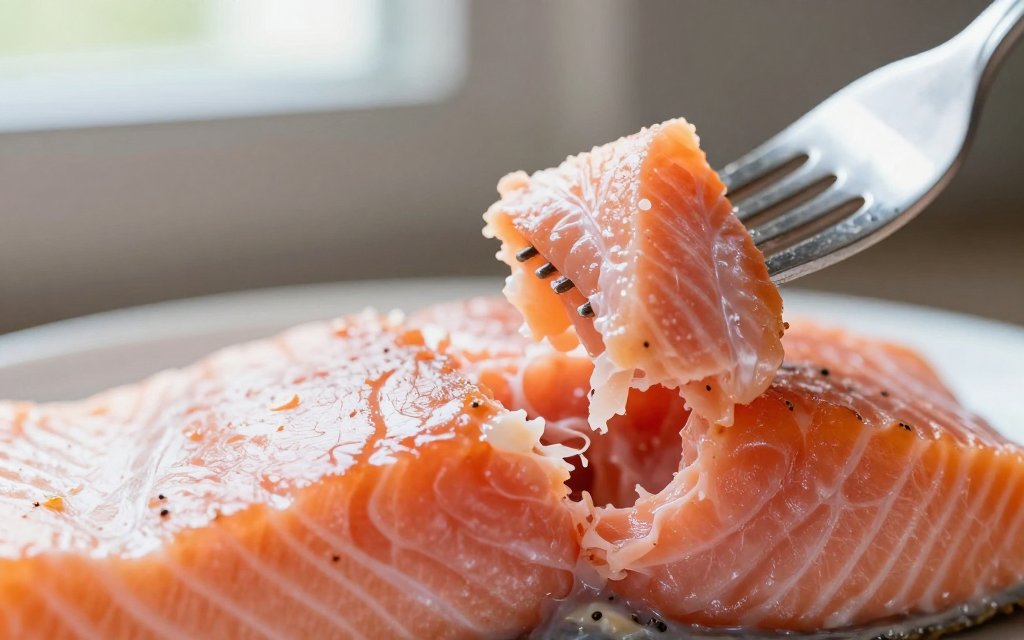
Protein is the reason salmon earns a spot in so many meal plans. Wild sockeye and coho tend to sit around 25 grams per 3.5 ounces, while farmed Atlantic runs a touch lower near 22 grams because more of its weight comes from fat. The Healthline breakdown puts wild salmon at 25.4 grams of protein and farmed at 22.1 grams for the same serving.
That salmon protein is complete, meaning it supplies every amino acid your body needs to hold onto muscle while you lose weight. If you already track chicken and eggs, salmon slots in the same way. For a wider look at lean options, see our high protein foods ranked by calorie guide.
Wild salmon delivers 25 grams of protein for 182 calories, roughly seven calories per gram of protein.
How many calories in salmon per fillet
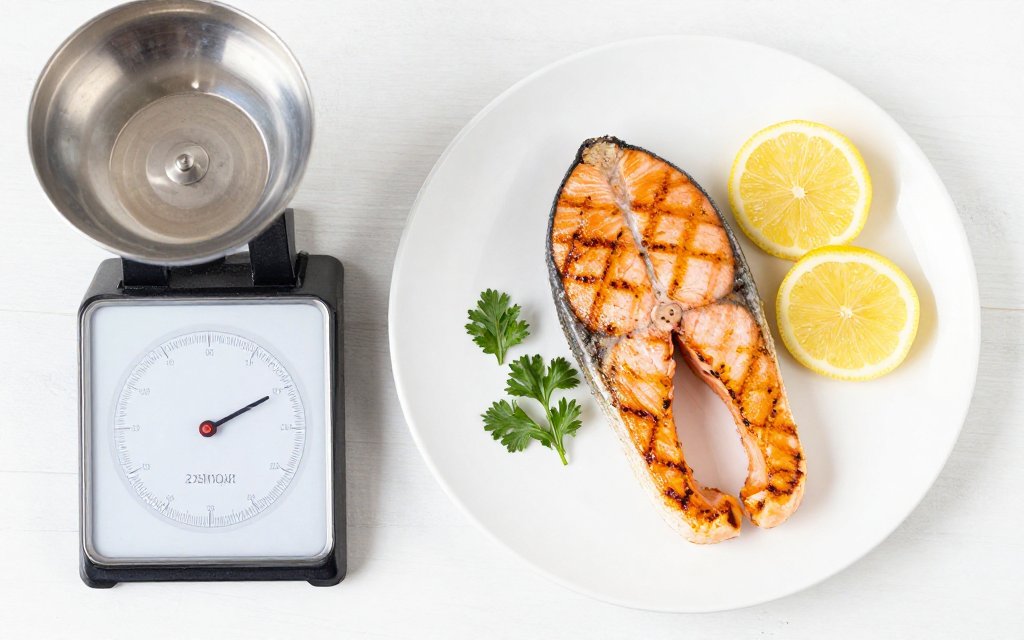
Restaurant fillets are bigger than the standard 3.5 ounce serving, so the salmon fillet calories add up faster than people expect. A 6 ounce cooked fillet is about 1.7 times that serving, which puts wild salmon near 310 calories and farmed closer to 350. You still get 38 to 43 grams of protein in that single piece.
So how many calories in salmon works out to per meal depends on the cut and the cooking. Grilling or baking with a teaspoon of oil adds about 40 calories. Deep frying or a heavy glaze can add a couple hundred, and that's worth logging. Compare it with our chicken breast calorie guide if you rotate proteins.
A 6 ounce fillet, doubled up
Here's the quick math for common portions, using the wild and farmed figures scaled from a 3.5 ounce serving.
Wild vs farmed salmon nutrition, the real gap
The wild vs farmed salmon debate gets heated, but the salmon nutrition facts sit closer than the arguments suggest. Farmed fish carry more total fat, so they hold more calories and, thanks to their feed, often more omega-3 by weight. Wild fish are leaner, with a little more protein and potassium.
For salmon nutritional value, both win. Wild salmon covers 127 percent of your daily B12 and 85 percent of your selenium per serving, while farmed still hits 117 percent and 75 percent. Farmed also brings about 66 percent of your daily vitamin D, which is hard to get from food alone.
Wild or farmed, one serving of salmon clears your entire daily need for vitamin B12.
Salmon macros and the omega-3 payoff
Salmon macros are simple: high protein, moderate fat, zero carbs. The fat is where the real story lives. A 3.5 ounce serving delivers between 717 and 1,533 milligrams of omega-3 fats, according to a Harvard Health review of farmed and wild fish. That's a big part of the health benefits of salmon.
The American Heart Association suggests two servings of oily fish a week, which salmon covers easily. Two 3.5 ounce servings land you well past 1,400 milligrams of omega-3 without a single supplement.
Smoked salmon calories and the salt trade-off
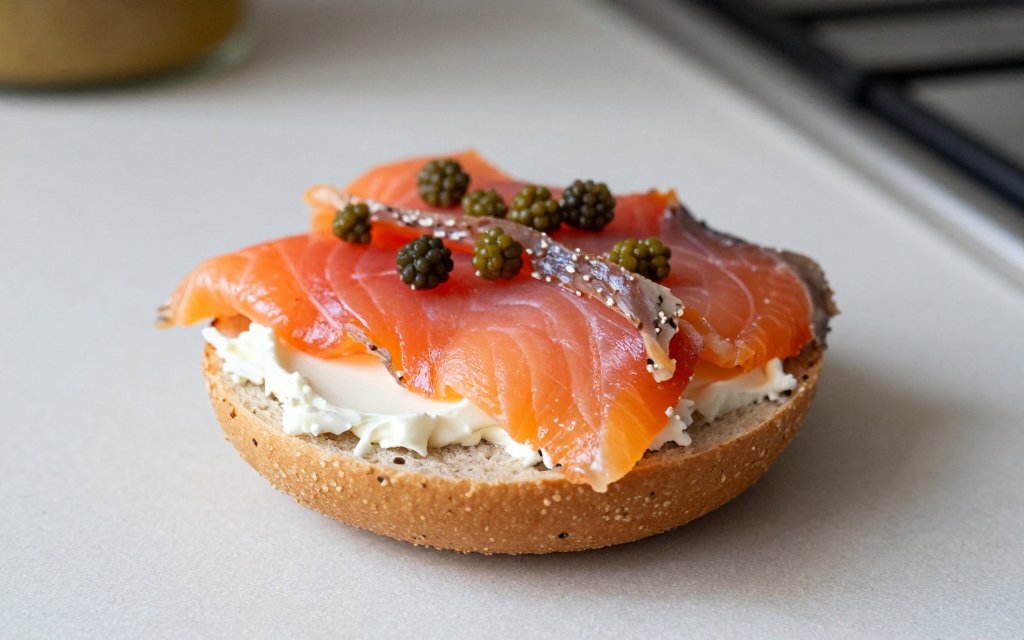
Smoked salmon looks lighter on the plate, and it is. A 3.5 ounce serving runs about 117 calories with 18 grams of protein and only 4 grams of fat, based on Healthline's smoked salmon data. The catch is sodium.
| Form | Calories | Protein |
|---|---|---|
| Wild fresh | 182 | 25 g |
| Farmed fresh | 206 | 22 g |
| Smoked | 117 | 18 g |
Fresh salmon has about 75 milligrams of sodium per serving. Smoked salmon can carry 600 to 1,200 milligrams because of the curing, so it eats into your daily salt budget fast. If you watch blood pressure, keep portions small and read the pack. Our guide to nutrition labels shows where to find that number.
Is salmon good for weight loss
Is salmon good for weight loss? Yes, and the value shows up in two places, your hunger and your wallet. Protein and fat together keep you full for hours, so a salmon dinner tends to shut down late-night snacking. In practice that means fewer calories over the whole day, not just at dinner.
On cost, salmon runs more per pound than chicken, often two to three times as much. But you're also buying omega-3 fats that people otherwise pay for in fish oil pills. Eat it twice a week, lean on cheaper proteins the rest of the time, and the weekly budget stays reasonable. To set your daily target, our 500 calorie deficit guide runs the math, and a quick photo handles the logging.
Two salmon dinners a week can replace a daily fish oil habit and still fit a fat loss calorie budget.
Common questions about salmon nutrition
How much protein is in a salmon fillet?
A 3.5 ounce serving has about 25 grams in wild salmon and 22 in farmed. A larger 6 ounce restaurant fillet pushes that to roughly 38 to 43 grams. That covers a big share of the protein most adults need in a day.
How many calories in salmon per 100 grams?
Per 100 grams, wild salmon has about 182 calories and farmed about 206. Smoked salmon is lighter near 117. Cooking oil and sauces are what change the final number on your plate.
Is wild or farmed salmon healthier?
Both are excellent. Wild is leaner with a little more protein, farmed has more omega-3 and vitamin D by weight. Pick whichever you enjoy and can afford, since eating salmon at all beats skipping it.
Is salmon good for weight loss?
It is, because the protein and fat keep you full on a modest calorie count. Grill or bake it, watch added oils and glazes, and log the portion. Two servings a week fits most fat loss plans.
Salmon makes calorie counting easy once you know the numbers, and a photo makes it easier still. Start tracking your nutrition today with CalMeal and take the guesswork out of counting calories and macros with AI food recognition. Get the app here: iOS or Android.
Start Tracking Your Nutrition Today
Download CalMeal for free and take the guesswork out of calorie counting with AI-powered food recognition.