Low Calorie Sushi Rolls: Calorie Counts for Every Type
Sushi calories range from 135 for a cucumber roll to 520 for a volcano roll. Use this guide for exact calorie and macro counts for every major roll type, nigiri, and sashimi, so you can build your order without guessing.
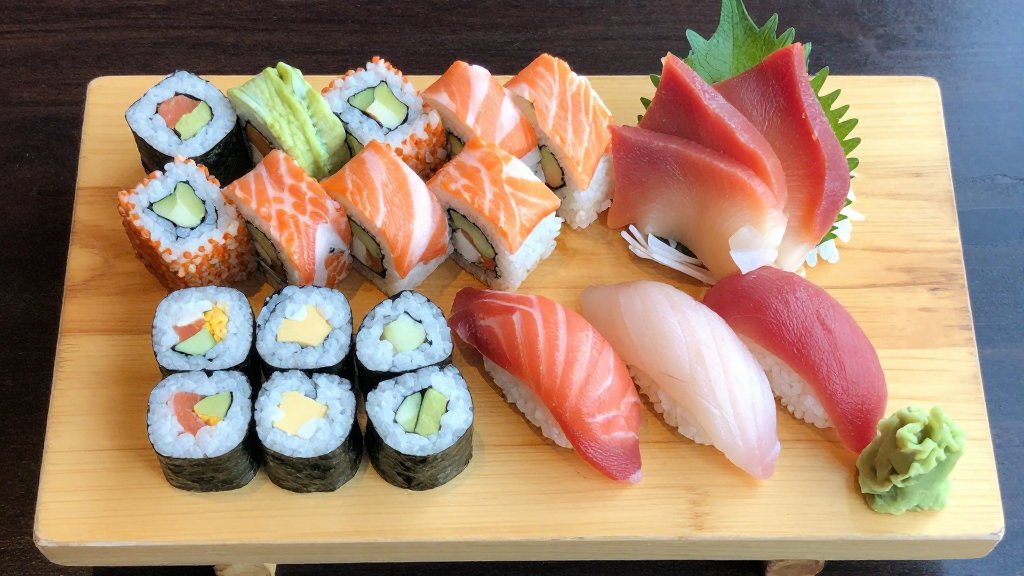
Why Sushi Calorie Counts Vary So Much
Sushi looks light, but the calorie range is enormous. Low calorie sushi rolls like a cucumber maki clock in at just 135 calories for eight pieces, while a shrimp tempura roll can push past 510. The difference comes down to three things: how much rice is used, which fillings are inside, and whether high-fat sauces or fried coatings are added. Knowing how many calories in sushi before you order lets you build a plate that fits your goals without guessing.
This guide breaks down sushi calories per roll across every major type, from simple maki to signature restaurant rolls, so you can spot the low calorie sushi rolls worth ordering and know exactly where the heavier ones land.
One cup of cooked sushi rice contains around 298 calories and about 65 grams of carbohydrates. A standard eight-piece roll uses close to one full cup, meaning the rice base alone can account for 200 to 298 calories before any filling.
Rice Is the Biggest Variable
Sushi rice is seasoned with vinegar, sugar, and salt, which adds a small calorie bump beyond plain cooked rice. One cup of cooked sushi rice contains 298 calories and about 65 grams of carbohydrates, per data from Nutritionix. A standard eight-piece maki roll uses close to one full cup of rice, meaning the rice base alone can account for 200 to 298 calories before any filling is counted.
Sauces and Toppings Stack Fast
A single tablespoon of spicy mayo adds about 90 calories to any roll. Eel sauce, cream cheese, and tempura batter are the other big contributors. Cream cheese adds roughly 50 calories per tablespoon, and a full tempura batter coating on shrimp can add 100 calories or more per roll. Soy sauce is low in calories at around 10 calories per tablespoon, but its sodium content of 900 to 1,000 milligrams per tablespoon adds up quickly if you dip generously.
Low Calorie Sushi Rolls to Order First
If you are tracking calories, start your order with simple maki rolls built around fish, cucumber, or avocado. These low calorie sushi rolls keep the sushi calories per roll well below 300 and still deliver meaningful protein, especially the fish-based options.
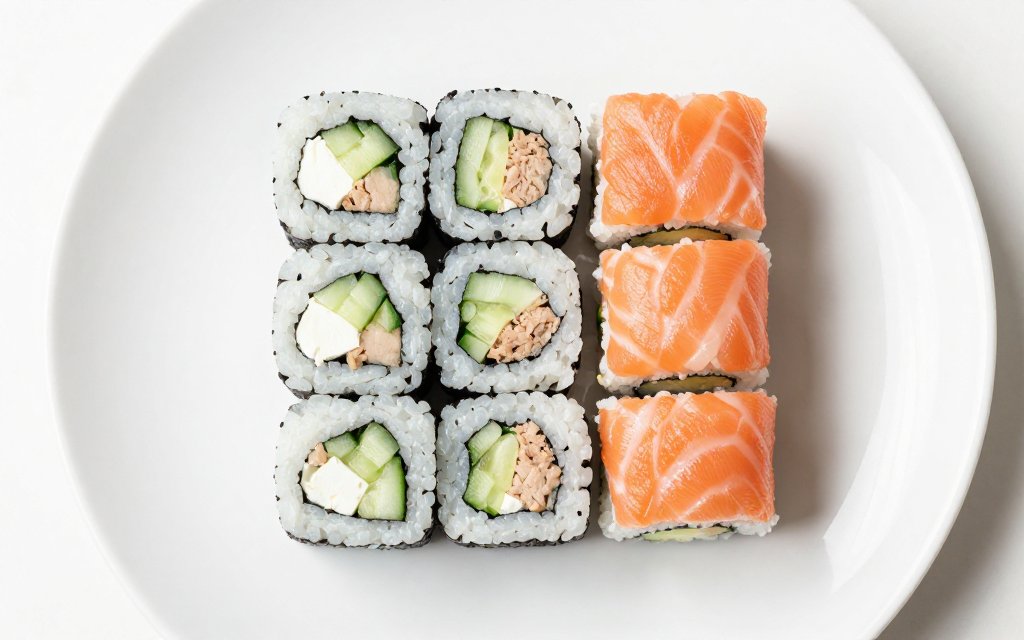
The key pattern is straightforward: plain fish plus vegetables plus rice. Adding avocado bumps the fat and calorie count moderately, while cream cheese or spicy mayo pushes a roll from the low-calorie tier to the midrange or high-calorie tier in one step. A salmon avocado roll, for example, climbs from 260 to 305 calories just from adding half an avocado.
California Roll Nutrition and Other Midrange Options
The California roll is one of the most ordered items at any sushi restaurant, and calorie data from NutrifyTracker shows it comes in at 255 calories for eight pieces, with 9 grams of protein, 7 grams of fat, and 38 grams of carbohydrates. If you are tracking the calories in california roll at your local spot, these numbers are a reliable baseline.
The Philadelphia roll sits just above at 320 calories per eight pieces, with 14 grams of fat from the cream cheese. Salmon avocado rolls land at 305 calories, and spicy salmon rolls at 300. These midrange rolls are filling and fit within a calorie-conscious meal if you are banking calories ahead of a night out.
Why the California Roll Hits the Middle
California rolls use imitation crab, cucumber, and avocado wrapped in rice and nori. The imitation crab is low in fat, the avocado adds about 50 calories of healthy fat, and the rice supplies most of the carbohydrates. California roll nutrition is not exceptional for protein relative to fish-based rolls, but the mild flavor and widespread availability make it a reliable midrange choice.
The California roll runs about 255 calories for eight pieces: 9 g protein, 7 g fat, and 38 g carbs. It is a useful baseline for estimating your sushi order before you sit down.
High Calorie Rolls Worth Knowing
Some restaurant rolls are built with multiple layers of fish, sauces, and fried elements, which drives the sushi calories per roll well above 400. Knowing these ahead of time keeps the total from catching you off guard.
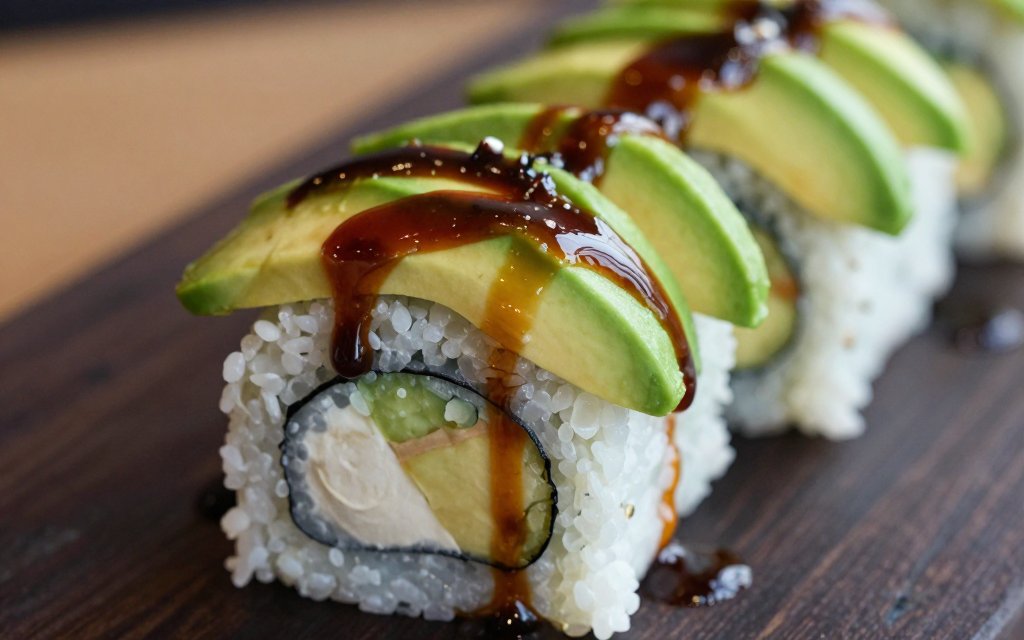
A shrimp tempura roll reaches 510 calories and 21 grams of fat per eight pieces, according to Healthline's sushi nutrition guide. That is not far from a small fast-food burger, which surprises many people who assume all sushi is light.
One tablespoon of spicy mayo adds 90 calories. A volcano roll drizzled with three or four tablespoons carries 270 to 360 calories in sauce alone, before the rice and fish count.
Asking for sauces on the side is the single fastest way to cut 100 to 300 calories from a sushi order. Most restaurants will accommodate the request, and you control exactly how much you add.
Calories in Nigiri Sushi vs Sashimi
Nigiri and sashimi are worth ordering when you want real protein with fewer carbohydrates. A single piece of nigiri consists of a small rice ball topped with fish or seafood, coming in at 40 to 75 calories per piece. Sushi calories per piece track closely to the fat content of the fish, so leaner proteins like shrimp land at the lower end. The calories in nigiri sushi add up fast when you order six or eight pieces, which runs 240 to 600 calories depending on the fish.
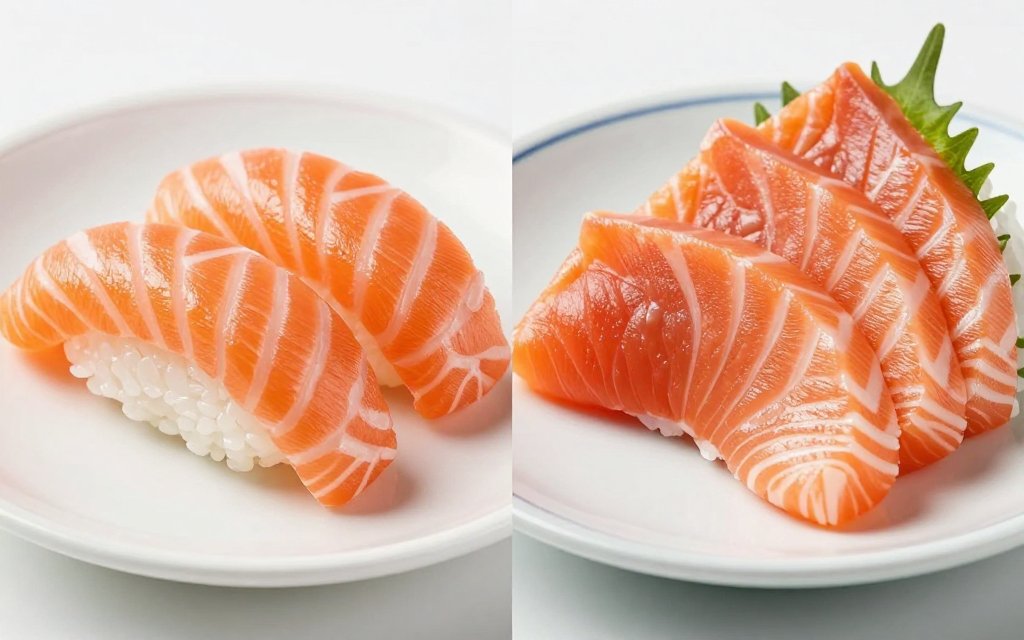
Sashimi removes the rice entirely, which cuts 150 to 200 carbohydrate calories per serving. A 3-piece salmon sashimi serving of about 85 grams contains roughly 120 calories and 20 grams of protein, making it one of the highest protein-per-calorie options on any sushi menu. Sashimi is the natural choice for anyone following a lower-carb approach or trying to maximize protein without extra rice.
Three pieces of salmon sashimi deliver about 120 calories and 20 g of protein. Three pieces of salmon nigiri run closer to 180 calories for the same protein, because the rice ball adds about 60 extra calories per piece.
Your Most Common Sushi Calorie Questions
Sushi menus can feel hard to decode when you are trying to hit a calorie target. These are the questions that come up most often when tracking a sushi order.
How Many Calories in a California Roll?
A standard California roll is 255 calories for eight pieces, with 9 grams of protein and 38 grams of carbohydrates. If the restaurant makes a smaller six-piece version, budget about 190 calories. How many calories in a california roll can shift if the restaurant adds extra avocado or a sauce drizzle, so use 255 as your default when no specific data is available.
How Many Calories in a Spicy Tuna Roll?
A spicy tuna roll runs 290 calories for eight pieces, with 13 grams of protein and 11 grams of fat. The spicy mayo is what pushes it above a plain tuna roll: a plain tuna roll is 200 calories, so the mayo and seasoned filling add about 90 calories. If the restaurant layers on extra sauce or adds a tempura crunch topping, the count can climb closer to 350.
How Many Calories in an Avocado Roll?
An avocado roll runs about 140 to 170 calories for eight pieces. A cucumber roll sits even lower at 135 calories. Both are low calorie sushi options when you want something light to round out an order built around heavier rolls or nigiri.
How Many Calories in a Sushi Roll Overall?
How many calories in a sushi roll depends entirely on what is inside. Simple vegetable or plain fish rolls range from 135 to 260 calories per eight pieces. Rolls with fried elements, cream cheese, or multiple sauces run 320 to 520 calories. The average across all roll types lands around 300 to 350 calories, but that number hides an enormous range.
Tips to Build a Calorie-Smart Sushi Order
A calorie-conscious sushi order does not have to mean skipping the signature rolls. Small choices across the plate add up and can drop your total by 200 to 400 calories without feeling like deprivation. If you are working toward a specific daily calorie target, these habits make the math easy.
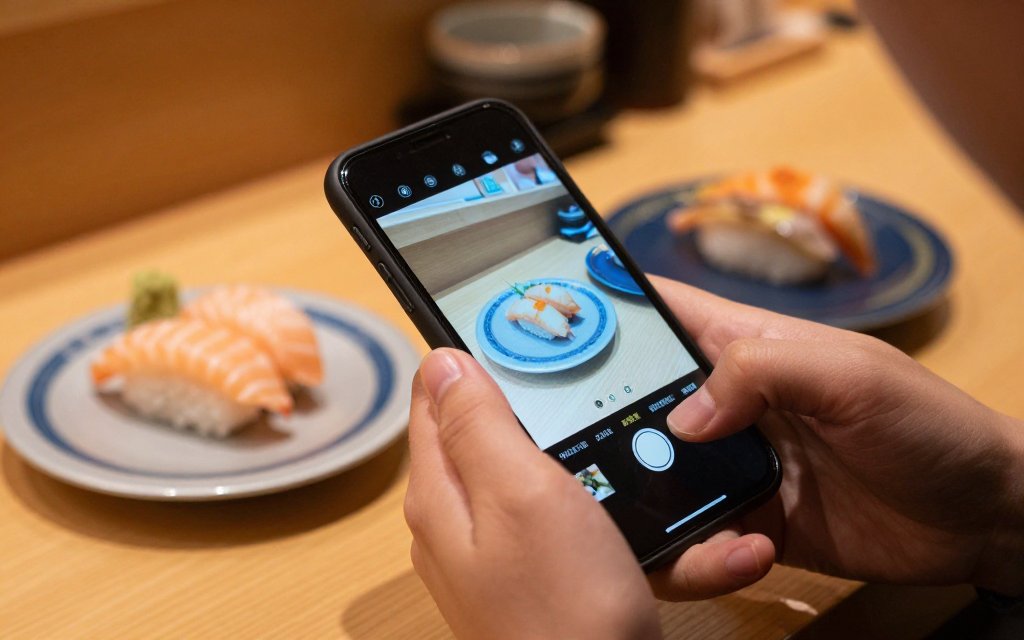
The CalMeal app makes logging sushi simple: snap a photo of your plate or describe the order by roll type and piece count, and the AI estimates calories and macros on the spot. Photo recognition is especially useful when the menu does not list nutrition facts. Download CalMeal free on iOS and track your next sushi order in under a minute.
If you eat sushi regularly, building a working sense of your go-to rolls saves time at every session. Log your order once in a tracker app and the data is there the next time you visit the same restaurant. For more help choosing high-protein, lower-calorie foods across all meal types, the protein density guide lays out a simple rule that applies well beyond sushi.
Start tracking your nutrition today. Download CalMeal for free and take the guesswork out of calorie counting with AI-powered food recognition. Snap your next sushi plate and see calories and macros per roll before the soy sauce hits the table. Get the app here: iOS or Android.
Start Tracking Your Nutrition Today
Download CalMeal for free and take the guesswork out of calorie counting with AI-powered food recognition.